Picture descending stone steps into a cool, dimly lit chamber where ancient amphorae once held the finest vintages of the Roman Empire. Now imagine creating that same sense of history and sophistication in your own home. Building a Roman-style wine cellar isn’t just about storage—it’s about crafting a space that connects you to centuries of winemaking tradition while showcasing your personal collection with the grandeur it deserves.
The Romans understood something profound about wine storage that modern enthusiasts are rediscovering: the environment shapes not just the preservation of wine, but the entire experience of appreciating it. When you build your own Roman-inspired wine cellar, you’re not simply constructing a storage area—you’re creating a sanctuary where ancient wisdom meets modern craftsmanship.
Why Roman-Style Wine Cellars Captivate Modern Wine Enthusiasts
The allure of Roman architecture extends far beyond mere aesthetics. Ancient Roman engineers mastered the art of creating underground spaces that naturally maintained ideal conditions for wine storage, long before modern climate control systems existed. Their approach combined practical engineering with an understanding of how environment influences both wine preservation and human psychology.
When you step into a Roman-inspired wine cellar, you immediately feel the weight of history. The thick stone walls, arched doorways, and carefully planned lighting create an atmosphere that elevates wine from a simple beverage to something sacred. This psychological transformation occurs because Romans designed their spaces to honor the ritual of wine appreciation, not just its storage.
The craftsmanship involved in creating such a space offers something increasingly rare in our digital age: the deep satisfaction of building something lasting with your own hands. Every stone you place, every arch you construct, connects you to the master builders who created structures that have survived millennia.

Assessing Your Space: Ancient Principles for Modern Homes
Understanding Natural Advantages
Romans chose their wine storage locations based on natural advantages that we can replicate today. They preferred underground or semi-underground spaces because the earth provides natural insulation and temperature stability. Your basement, a partially underground garage, or even a dedicated room on the north side of your house can serve as the foundation for your Roman-style cellar.
The key principle Romans followed was working with nature rather than against it. They observed how different areas of their properties naturally maintained cooler temperatures and higher humidity levels. Walk through your potential spaces during different times of day and seasons to understand their natural characteristics before making modifications.
Structural Considerations for Authentic Feel
Roman cellars featured certain architectural elements that weren’t just decorative—they served practical purposes. Vaulted ceilings prevented condensation from dripping onto stored wine, while thick walls provided thermal mass that naturally regulated temperature fluctuations. Stone or brick construction created the ideal microclimate for long-term wine storage.
Consider how you can incorporate these principles into your space. Even if you’re working with modern materials, you can achieve similar thermal performance by adding mass to your walls and creating proper ventilation patterns that Roman engineers would recognize.

Temperature and Humidity Control: Lessons from Ancient Engineering
Roman wine storage succeeded because it relied on passive climate control—systems that worked without mechanical intervention. These ancient techniques offer valuable insights for modern wine cellar construction, especially for DIY builders who want to minimize ongoing energy costs while maintaining optimal conditions.
The Thermal Mass Principle
Romans built their wine storage areas with substantial stone walls that absorbed heat during warmer periods and released it during cooler times, creating natural temperature stability. This thermal mass effect meant their cellars maintained consistent conditions without any mechanical systems.
You can apply this principle by incorporating masonry materials into your cellar design. Natural stone, brick, or even concrete block faced with stone veneer will create thermal mass that moderates temperature swings. The thicker your walls, the more stable your cellar’s climate will remain throughout seasonal changes.
Natural Ventilation Strategies
Ancient Roman cellars featured carefully planned air circulation systems that prevented stagnant conditions while maintaining proper humidity levels. They understood that gentle air movement prevented mold growth without creating harmful drafts that could disturb wine sediment.
Design your ventilation system based on these time-tested principles. Create passive air intake near the floor of your cellar and exhaust points near the ceiling. This natural convection pattern will circulate air gently while maintaining the stable conditions your wine collection requires.

Stone and Material Selection: Creating Authentic Roman Ambiance
The materials you choose will define both the aesthetic appeal and functional performance of your Roman-style wine cellar. Romans selected their building materials based on local availability and specific performance characteristics, principles that remain relevant for modern builders.
Stone Selection for Walls and Flooring
Roman builders favored limestone, travertine, and volcanic tuff for their wine storage areas because these materials naturally regulated humidity while providing the thermal mass needed for temperature control. These stones also developed beautiful patinas over time, adding to their visual appeal.
For your cellar, consider materials that offer similar properties. Natural limestone or travertine provides authentic Roman appearance while delivering functional benefits. If budget constraints require alternatives, look for manufactured materials that replicate the thermal properties and appearance of traditional Roman stone.
Ceiling and Structural Elements
Roman cellars featured barrel-vaulted or groin-vaulted ceilings that weren’t just architecturally impressive—they served practical functions. These curved forms naturally shed condensation toward walls rather than allowing it to drip onto stored wine. The structural efficiency of arched construction also allowed Romans to build underground spaces that could support significant loads above.
If full vaulted construction exceeds your skill level or budget, you can achieve similar benefits with simpler approaches. Consider exposed beam ceilings with slight slopes that direct any condensation away from your wine storage areas, or use modern materials to create the visual impression of Roman vaulting.
Lighting Strategies: Illuminating History
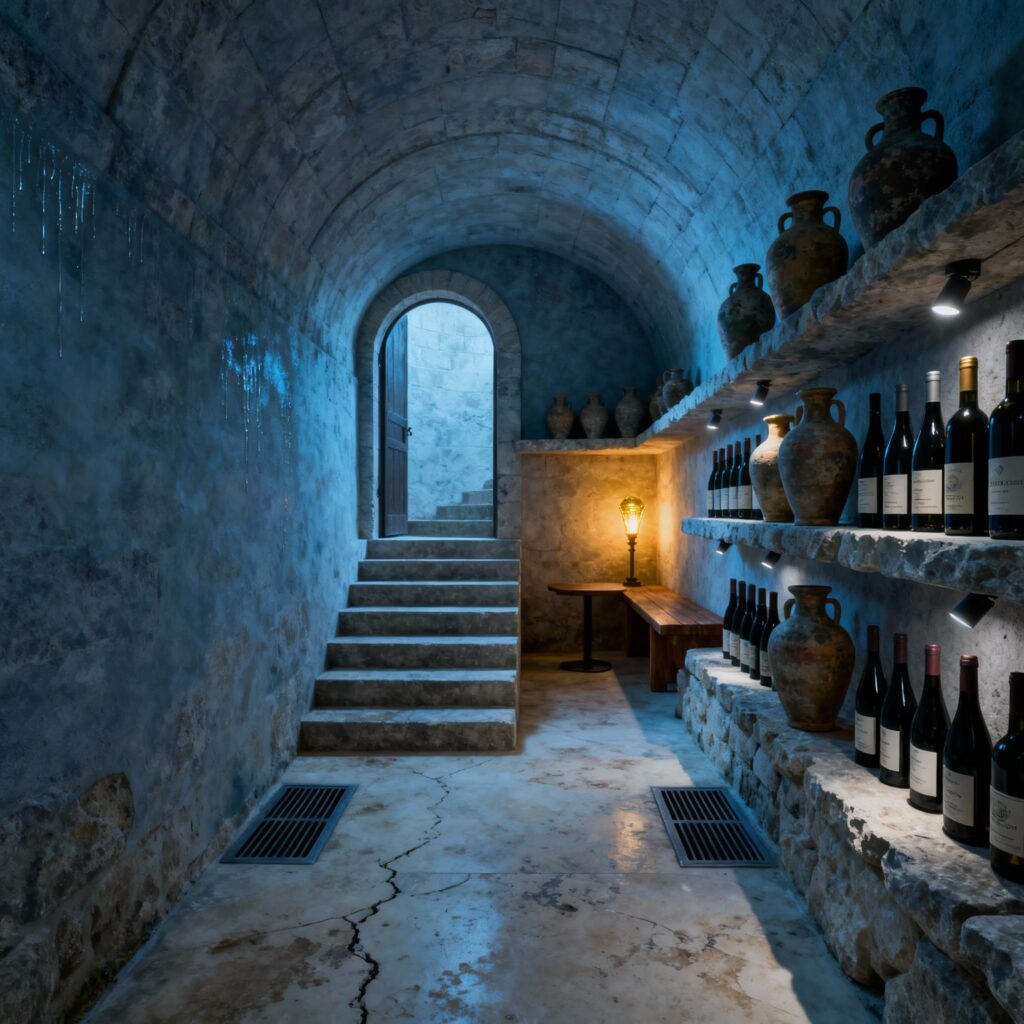
Roman wine cellars relied primarily on flickering torchlight and oil lamps, creating an atmosphere that modern wine enthusiasts find irresistibly romantic. However, ancient lighting also served practical purposes that inform good cellar design today.
Ambient Lighting Principles
Romans understood that wine storage areas required minimal lighting to prevent UV damage to their vintages. Their lighting systems provided just enough illumination for navigation and wine selection without creating harmful exposure. This principle remains crucial for proper wine preservation.
Design your lighting system to provide warm, low-level ambient illumination that creates the right atmosphere while protecting your wine collection. Consider LED strips hidden behind stone ledges or within architectural details to create the impression of natural torch lighting without the fire hazard.
Task Lighting for Functionality
While ambient lighting sets the mood, you’ll need focused illumination for reading wine labels and selecting bottles. Romans would have used portable oil lamps for these tasks, moving light sources as needed rather than illuminating entire spaces brightly.
Install focused LED spotlights or track lighting that can be directed toward specific storage areas when needed. These should be controlled separately from your ambient lighting system, allowing you to maintain the romantic atmosphere while providing practical functionality when necessary.
Storage Solutions: Displaying Wine Like Roman Nobility
Roman wine storage went beyond mere functionality—it was a display of wealth, sophistication, and cultural refinement. The way Romans organized and presented their wine collections reflected their understanding of wine as both practical sustenance and symbol of civilized living.
Traditional Storage Approaches
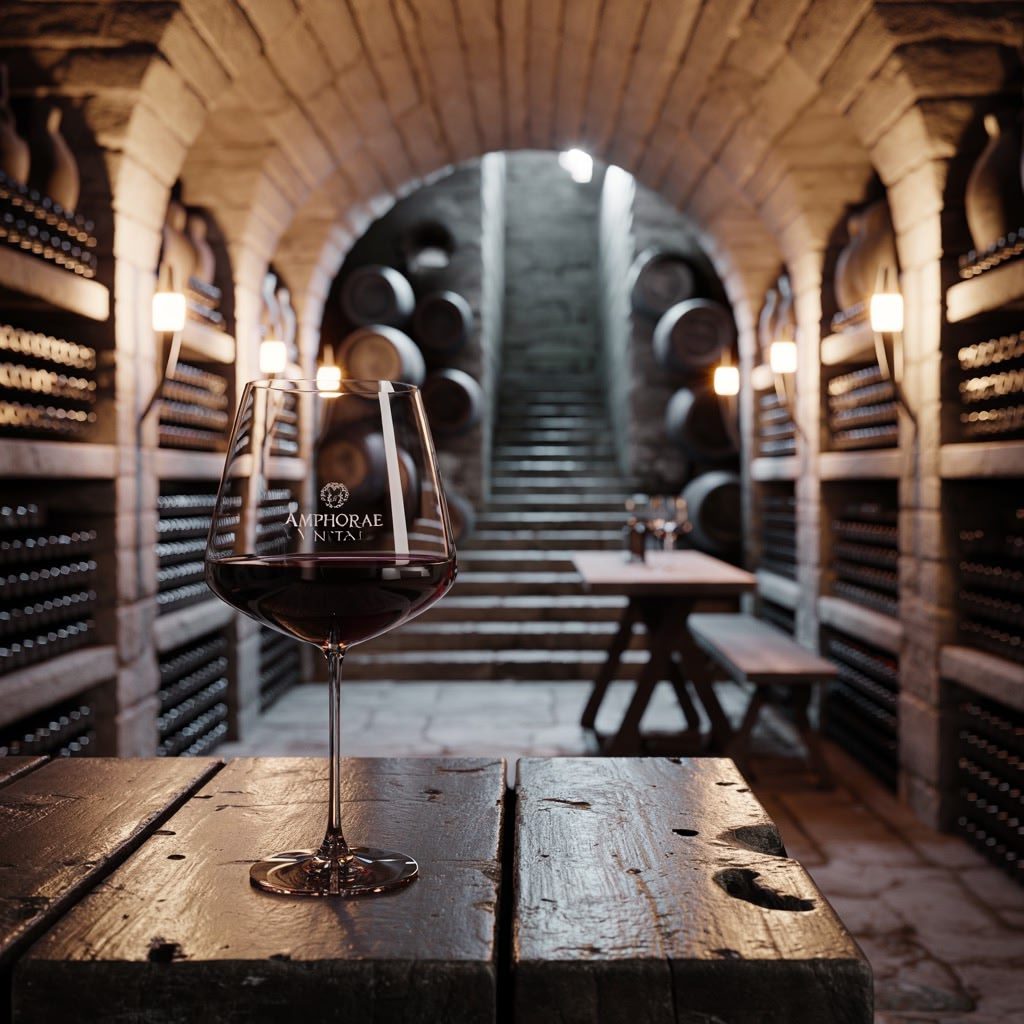
Romans stored their wine in amphorae—large clay vessels that were partially buried in sand or stone for temperature control. While you’ll likely store wine in modern bottles rather than ancient amphorae, you can incorporate elements of Roman storage philosophy into your cellar design.
Consider creating storage areas that allow wines to rest undisturbed while displaying them attractively. Built-in stone or masonry wine racks echo the permanence of Roman construction while providing the stability that fine wines require. Design these storage elements as integral parts of your cellar architecture rather than add-on furniture pieces.
Organizational Systems with Historical Flair
Romans organized their wine collections by region, vintage, and quality level, understanding that proper organization enhanced both preservation and appreciation. They created specific areas within their cellars for different categories of wine, from everyday table wines to prestigious vintages reserved for special occasions.
Plan your storage organization around similar principles, creating distinct zones within your cellar for different categories of wine. Design these areas with varying levels of accessibility and display prominence, just as Romans would have done with their most prized vintages.
The Craftsmanship Experience: Building Your Legacy
Creating a Roman-style wine cellar offers something that purchasing pre-built storage cannot: the profound satisfaction of building something meaningful with your own hands. This process connects you to centuries of craftsmen who understood that the act of creation is as valuable as the finished result.
Connecting with Historical Tradition
Every aspect of Roman construction reflected careful consideration of materials, techniques, and long-term performance. When you adopt these approaches in your own project, you’re participating in a tradition that values quality, permanence, and thoughtful design over speed and convenience.
Approach each phase of your cellar construction as an opportunity to develop new skills while honoring time-tested methods. The patience required to properly cure stone work, the precision needed for accurate masonry, and the attention to detail that creates lasting beauty all contribute to personal growth that extends far beyond wine storage.
Creating Spaces for Gathering
Romans viewed wine cellars not just as storage areas, but as spaces for sharing wine with friends and family. They included seating areas, tasting spaces, and ceremonial elements that elevated wine from mere consumption to social ritual.
Design your cellar with similar intentions. Include space for wine tasting, comfortable seating for intimate gatherings, and display areas that showcase the history and stories behind your favorite wines. These elements transform your cellar from functional storage into a destination that enhances every wine experience.
Bringing Ancient Wisdom to Modern Wine Storage
The principles that guided Roman wine cellar construction remain relevant because they addressed fundamental needs that haven’t changed: protecting valuable wine collections, creating spaces that enhance appreciation, and building structures that reflect personal values and aspirations.
Your Roman-style wine cellar becomes more than a storage solution—it becomes a bridge between ancient wisdom and modern living. Every time you descend into your completed cellar, select a bottle for dinner, or share wine with friends in that space, you’re participating in traditions that have enriched human culture for millennia.
The investment of time, energy, and resources required to build an authentic Roman-style wine cellar pays dividends that extend far beyond wine preservation. You’ll have created a space that tells a story, honors tradition, and provides lasting satisfaction every time you use it. Most importantly, you’ll have built something that connects you to the timeless human desire to create beauty, preserve quality, and share life’s finest pleasures with the people who matter most.
Ready to begin your journey into historical craftsmanship? Start by walking through your potential cellar space with Roman principles in mind. Observe how natural light enters, where temperature feels most stable, and how the space could accommodate the architectural elements that made Roman wine storage legendary. Your transformation from ordinary storage to extraordinary sanctuary begins with understanding what made ancient approaches so enduringly successful.


