Picture yourself holding a piece of history—a wine that has transformed within the same type of vessel that graced Roman tables two millennia ago. The ancient art of aging wine in handcrafted Roman vessels isn’t just a romantic notion; it’s a profound exploration of how our ancestors understood the delicate dance between container and content, between time and transformation.
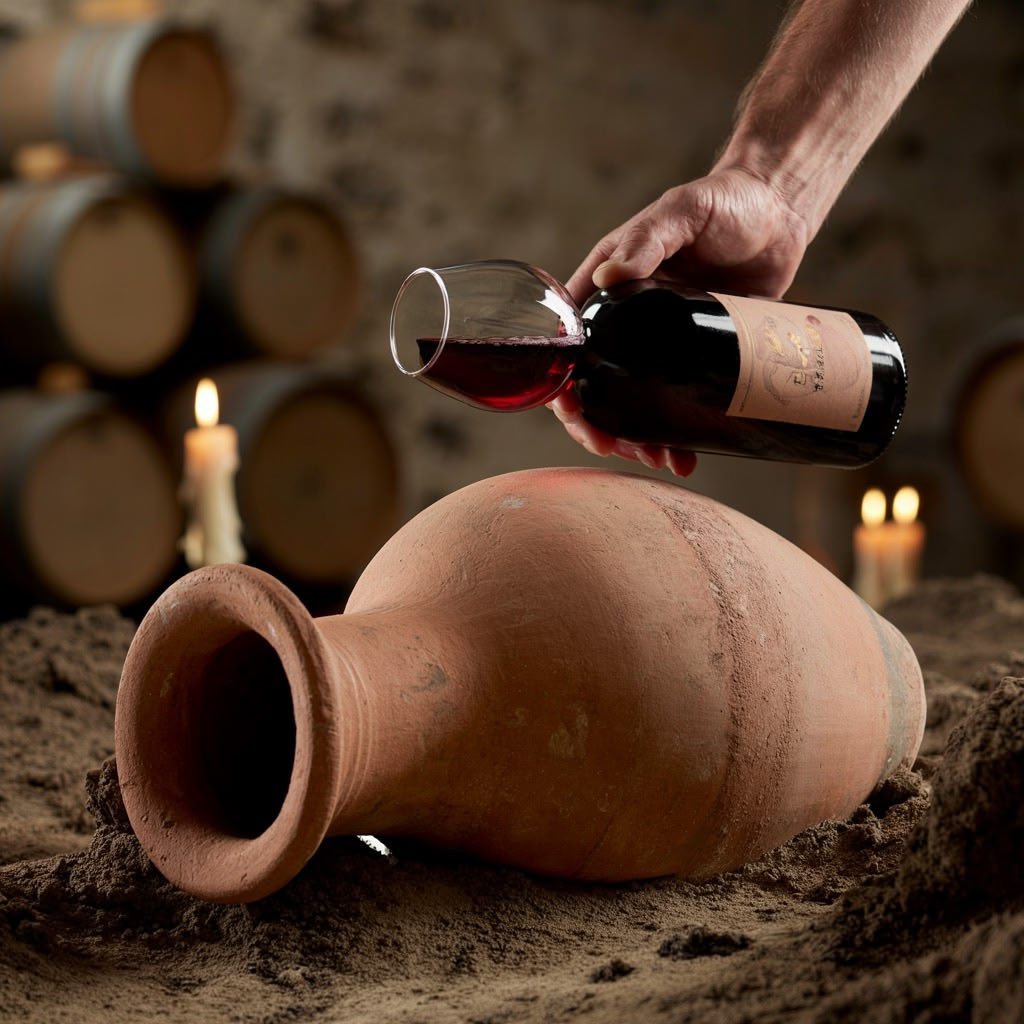
While modern winemaking has embraced stainless steel tanks and perfectly controlled environments, something extraordinary happens when you return to the methods that built an empire’s wine culture. The porous clay vessels, known as amphorae, don’t merely hold wine—they become active participants in its evolution, breathing life into every drop through a process that connects us directly to the artisans of ancient Rome.
This journey into traditional wine aging reveals not only the science behind ancient techniques but also why discerning wine enthusiasts and history lovers are rediscovering these time-honored methods. When you understand what happens during this ancient aging process, you’ll never look at wine—or craftsmanship—the same way again.
The Living Vessel: How Roman Clay Transforms Wine
Unlike the impermeable surfaces of modern containers, handcrafted Roman vessels possess a quality that fundamentally alters the wine aging experience: they breathe. This isn’t poetic language—it’s the scientific reality of how porous clay interacts with wine at the molecular level.
The clay’s natural porosity creates a controlled micro-oxygenation environment that allows wine to develop complexity without the aggressive oxidation that would occur in an open container. Think of it as the wine taking slow, measured breaths over months or years, each breath adding layers of character that simply cannot be achieved through other methods.
This breathing process triggers a cascade of chemical transformations. Tannins soften and integrate more gracefully, harsh edges round out naturally, and the wine develops what enthusiasts describe as an “earthy minerality”—a direct gift from its clay cradle. The vessel becomes a partner in creation, not merely a passive storage solution.
The Romans understood this relationship intuitively, crafting their vessels with specific clay compositions that would complement different wine styles. They recognized that the container was as crucial to the final product as the grapes themselves, a philosophy that modern artisans are now rediscovering with remarkable results.
Temperature Regulation Through Ancient Wisdom
Roman clay vessels excel at maintaining optimal temperature conditions through their natural thermal properties. The thick walls provide excellent insulation, protecting wine from dramatic temperature swings that can damage delicate flavor compounds. This consistent environment allows for steady, predictable aging that produces remarkably balanced wines.
During warmer periods, the clay absorbs excess heat slowly and releases it gradually, creating a natural cooling effect. Conversely, during cooler weather, the stored thermal energy helps maintain stable temperatures. This ancient climate control system rivals many modern wine cellars in its effectiveness.

The Shape of Flavor: Vessel Architecture and Wine Development
The distinctive shapes of Roman wine vessels weren’t arbitrary design choices—they were carefully engineered solutions that influenced how wine aged and developed. The traditional amphora’s pointed bottom and narrow neck created specific conditions that modern science now recognizes as optimal for wine maturation.
The pointed bottom, rather than being a storage inconvenience, actually serves a crucial function in wine aging. It naturally encourages gentle circulation within the vessel as temperature fluctuations create subtle currents. This movement prevents sediment from compacting and promotes even flavor development throughout the wine.
The narrow neck restricts the wine’s surface area exposure to air while still allowing the controlled oxygenation that makes clay vessel aging so distinctive. This design creates a perfect balance—enough oxygen contact to enhance complexity, but not so much that the wine becomes oxidized or loses its vitality.
Consider how this differs from modern barrel aging, where the wine has consistent contact with the same wood surface. Roman vessels provide a more neutral aging environment, allowing the wine’s inherent characteristics to evolve without being overshadowed by external flavors. The result is wine that tastes more authentically like itself, only better.
Surface Interaction and Mineral Integration
The interior surface of a handcrafted Roman vessel tells its own story through subtle mineral exchanges with the wine. Unlike glazed modern ceramics, traditional clay vessels feature unglazed interiors that allow for gentle mineral leaching. This process doesn’t overwhelm the wine but rather enhances its natural mineral profile with complementary elements from the earth.
These mineral interactions contribute to the wine’s structure and mouthfeel, adding weight and depth that enthusiasts often describe as “grounding.” The wine develops a sense of place that extends beyond the vineyard to include the very clay from which its aging vessel was formed.

Time and Transformation: The Ancient Approach to Fermentation
Roman winemakers approached fermentation with a patience that modern commercial pressures have largely abandoned. They understood that great wine couldn’t be rushed, and their vessel choices reflected this philosophy of allowing natural processes to unfold at their own pace.
The porous nature of clay vessels means fermentation proceeds more gradually than in non-permeable containers. Wild yeasts, which Romans relied upon entirely, work more steadily in this environment, producing wines with greater complexity and more nuanced flavor profiles. This slower fermentation allows for better integration of all flavor components, resulting in wines that taste more harmonious and complete.
Temperature stability during fermentation proves crucial for developing the wine’s ultimate character. Clay vessels naturally moderate the heat generated by fermentation activity, preventing the harsh, cooked flavors that can result from temperature spikes. This natural temperature control system produces cleaner, more elegant wines that age gracefully over time.
The Romans also understood the importance of vessel size in fermentation management. Smaller vessels allow for more precise control and create conditions where each batch can develop its own unique personality, while larger vessels provide the thermal mass necessary for extended aging programs.
The Role of Indigenous Microorganisms
Clay vessels harbor beneficial microorganisms that contribute to fermentation complexity in ways that sterile modern equipment cannot replicate. These microscopic partners create unique flavor compounds and help establish the wine’s microbial terroir—a living ecosystem that influences every aspect of the wine’s development.
This natural inoculation process means each vessel develops its own microbial signature over time, contributing to the distinctiveness of wines aged within it. The Romans leveraged this phenomenon, understanding that established vessels produced more interesting and complex wines than new ones.
Sensory Journey: How Ancient Methods Create Modern Magic
The sensory experience of wine aged in Roman vessels defies simple description. Imagine opening a bottle and immediately detecting something different—not just in aroma, but in the wine’s very presence. There’s an earthiness that doesn’t compete with fruit flavors but rather provides a foundation that makes everything else more vivid and defined.
The texture tells its own story. Wines aged in clay vessels often exhibit what enthusiasts call “mouth-coating richness” without heaviness. The wine seems to have more substance, more grip, yet maintains elegance and drinkability. This textural complexity comes from the unique way clay vessel aging affects protein and phenolic development.
Flavor development follows patterns that differ markedly from conventional aging methods. Rather than the vanilla and spice notes associated with oak aging, clay vessel wines develop more mineral and herbal complexity. The wine’s natural fruit characteristics remain prominent but gain depth and dimensionality that can only come from this ancient aging approach.
Perhaps most remarkably, wines aged in Roman vessels often display extraordinary aging potential. The gentle, consistent environment provided by clay aging creates wines that improve steadily over decades rather than peaking quickly and declining. This longevity was one of the reasons Roman wines were so highly prized throughout the ancient world.
The Aromatic Evolution
The aromatic development of clay-aged wines follows fascinating patterns that reflect the vessel’s influence on volatile compound formation. Instead of the oak-derived vanillin and lactone aromas common in conventionally aged wines, clay-aged wines develop more complex herbal and mineral notes that seem to emerge from the earth itself.
These aromatics integrate seamlessly with the wine’s fruit character, creating bouquets that are both familiar and mysteriously different. The overall effect is wine that smells more like wine—more authentically varietal, more connected to its origins, more alive with possibility.

Bridging Past and Present: Modern Applications of Ancient Wisdom
Today’s artisan winemakers are rediscovering these ancient techniques not out of nostalgia, but because they produce demonstrably superior results for certain wine styles. The principles that guided Roman craftsmen remain scientifically sound, and modern applications are yielding wines that capture both historical authenticity and contemporary refinement.
The revival of clay vessel winemaking represents more than a trend—it’s a recognition that our ancestors possessed sophisticated understanding of natural processes that modern technology has sometimes overlooked. By combining ancient vessel crafting techniques with contemporary hygiene standards and quality control, today’s producers are creating wines that honor the past while meeting modern expectations.
This intersection of old and new appeals particularly to wine enthusiasts who appreciate craftsmanship and authenticity. These consumers understand that the most interesting wines often come from producers willing to embrace traditional methods that require more time, skill, and patience than industrial approaches.
The growing interest in natural wines and minimal intervention winemaking has created renewed appreciation for clay vessel aging. These methods align perfectly with philosophies that prioritize expressing terroir and varietal character over imposing external flavors or manipulating natural processes.
Sustainability and Environmental Considerations
Clay vessel winemaking also appeals to environmentally conscious producers and consumers. These vessels can last for decades or even centuries with proper care, representing a far more sustainable option than single-use containers or frequently replaced equipment. The local clay used in vessel construction further reduces environmental impact while connecting the wine to its regional terroir in the most literal sense possible.
The energy requirements for clay vessel production and maintenance are minimal compared to industrial alternatives, making this approach particularly attractive to producers committed to reducing their carbon footprint while maintaining quality standards.
The Craft Heritage: Connecting with Artisan Traditions
Understanding Roman vessel winemaking connects us to an unbroken chain of craftsmanship that spans millennia. The techniques used to create these vessels have been passed down through generations of artisans, each adding their own insights while preserving essential knowledge about clay selection, forming techniques, and firing methods.
This heritage aspect resonates deeply with consumers who value authenticity and craftsmanship in an increasingly industrialized world. When you choose wine aged in traditional vessels, you’re supporting not just winemakers but also the ceramic artisans who keep these ancient skills alive.
The vessels themselves become part of the wine’s story, their handcrafted imperfections adding character rather than flaws. Each vessel bears the mark of its maker, creating connections between consumer, wine, and craftsperson that mass production cannot replicate.
This human element in wine production appeals to enthusiasts who seek experiences rather than just products. The knowledge that real people shaped the vessel that shaped the wine adds emotional depth to every glass, transforming consumption into connection with history and craft tradition.
Learning from Master Craftsmen
Modern artisans studying Roman vessel techniques often discover that ancient methods solve contemporary problems in unexpected ways. Traditional clay preparation techniques, firing temperatures, and vessel seasoning practices offer solutions to challenges that modern materials science is only beginning to understand fully.
This knowledge exchange between past and present enriches both traditions, creating opportunities for innovation that respects historical wisdom while embracing contemporary possibilities.
Experiencing Ancient Innovation Today
The renaissance of Roman vessel winemaking offers modern wine lovers unprecedented opportunities to experience flavors and textures that would have been familiar to ancient epicureans. This isn’t about recreating the past exactly, but rather about reclaiming techniques that produce exceptional results.
For those interested in exploring these wines, the key is understanding that clay vessel aging represents a philosophy as much as a technique. These wines express a commitment to natural processes, patient craftsmanship, and respect for materials that have served winemakers for thousands of years.
The investment in Roman vessel wines goes beyond individual bottles—it supports a movement toward more sustainable, authentic, and historically informed winemaking. Each purchase votes for methods that prioritize quality over quantity, tradition over trend, and craft over commerce.
As you explore wines aged in handcrafted Roman vessels, you’re not just tasting wine—you’re participating in a living tradition that connects you to centuries of human ingenuity and dedication to craft excellence. This connection transforms wine appreciation from consumption into cultural participation, making every glass a celebration of human creativity and natural harmony.
The Future of Ancient Techniques
The growing appreciation for Roman vessel winemaking suggests a bright future for these ancient techniques. As consumers become more sophisticated and value-conscious, they increasingly seek out products that offer authentic experiences and meaningful connections to craft traditions.
This trend extends beyond wine to encompass broader movements toward artisanal production, sustainable practices, and cultural preservation. Roman vessel winemaking sits at the intersection of all these values, offering products that satisfy contemporary desires for quality, authenticity, and environmental responsibility.
The techniques pioneered by Roman craftsmen continue to evolve as modern practitioners add their own innovations while respecting traditional principles. This evolution ensures that ancient methods remain relevant and vital rather than becoming museum pieces or historical curiosities.
What emerges from this synthesis of old and new is wine that couldn’t exist any other way—products that honor the past while embracing the future, connecting drinkers to both history and possibility with every sip.
When you next encounter wine aged in handcrafted Roman vessels, remember that you’re experiencing more than fermented grape juice. You’re tasting the result of techniques refined over millennia, crafted by artisans who understand that the vessel shapes not just the wine, but the entire experience of those who will eventually enjoy it. In a world increasingly dominated by mass production and artificial enhancement, these wines stand as monuments to the power of patience, skill, and respect for natural processes—qualities that remain as valuable today as they were in ancient Rome.


