Welcome to the fascinating world of traditional cooperage, where the art of crafting wooden barrels plays a crucial role in shaping the flavors of wine. The process involves meticulous methods that transform raw wood into vessels capable of enhancing the aging experience of wines and spirits. Understanding this craft unveils secrets that have been passed down through generations, revealing how each step influences the final product.
Barrel-making is not merely a functional endeavor; it is an artistic expression that deeply impacts the characteristics of wine. Here are some key aspects you will explore in this article:
- The Barrel-Making Process: Discover the intricate stages involved, from selecting the right wood to assembling and toasting the barrels.
- Wood Selection: Learn about the significance of different wood types, such as oak, acacia, and chestnut, and how they contribute unique flavors to wine.
- Seasoning Techniques: Understand how proper seasoning enhances the wood’s potential and flavor profile during aging.
- Craftsmanship in Assembly: Gain insight into the skillful techniques employed by coopers to ensure structural integrity and quality.
- Toasting Levels: Explore how varying degrees of toasting unlock aromatic complexities within the barrel.
Traditional cooperage is both an art and a science. It combines craftsmanship with knowledge of wood properties and wine chemistry. This balance results in barrels that not only hold wine but also enrich it over time. As you delve into this topic, prepare to appreciate how every aspect—from wood selection to toasting—contributes to your favorite wines’ taste and aroma. Whether you are a wine enthusiast or simply curious about the processes behind it, there is much to uncover about this timeless craft.
Understanding the Barrel-Making Process
The cooperage process is an intricate art that transforms raw wood into functional barrels, essential for aging wines and spirits. This craft involves several key barrel-making steps, each playing a crucial role in shaping the final product.
Key Stages of Barrel Production
1. Wood Selection
The journey begins with selecting the right type of wood. Common choices include:
- Oak (Quercus robur and Quercus alba): Known for its strength and flavor contributions, this wood variety plays a significant role in wine aging.
- Chestnut (Castanea sativa): Offers unique tannins and flavor profiles.
- Acacia (Robinia pseudoacacia): Imparts floral notes, particularly favored for white wines.
Each wood species has distinct characteristics that influence the wine’s aroma and taste profile. The choice of wood sets the foundation for what the barrel will impart during aging.
2. Seasoning
After selection, the wood undergoes seasoning. This process typically involves air-drying the staves for months or even years, allowing moisture content to decrease significantly. Seasoning is critical as it helps:
- Remove harsh tannins from the wood.
- Enhance desirable flavor compounds.
A well-seasoned stave will yield a smoother interaction with wine, promoting a balanced flavor profile.
3. Shaping and Assembly
Once seasoned, coopers shape the wooden staves with precision tools before assembling them into a barrel form. This stage requires remarkable craftsmanship as no nails or glue are used; instead, the staves are held together through:
- Tight fitting: Ensuring that each stave fits snugly against its neighbors.
- Hoops: Metal bands that hold everything in place.
The structural integrity of the barrel largely depends on this meticulous assembly process. A tight seal is vital to prevent leaks while allowing some air exchange necessary for aging.
4. Toasting
After assembly, barrels are toasted by applying heat to their inner surfaces. This step caramelizes natural sugars present in the wood and alters its chemical composition. Different levels of toasting introduce varying flavors:
- Light Toast: Contributes delicate floral and fruity notes.
- Medium Toast: Balances sweetness with mild spice characteristics.
- Heavy Toast: Adds deeper smoky or charred flavors.
The chosen toast level significantly affects how wine interacts with the barrel during aging, enhancing complexity and depth.

Importance of Each Step
Every stage of barrel production plays a pivotal role in determining how wine develops over time.
- Wood selection influences initial flavor compounds.
- Proper seasoning enhances wood properties while reducing undesirable elements.
- Precise shaping and assembly ensure durability and functionality.
- Strategic toasting unlocks aromatic potential.
These interconnected processes reflect not only traditional cooperage techniques but also emphasize craftsmanship that has been honed over generations. Understanding these steps provides insight into why barrels are so integral to the winemaking process, where each detail contributes to crafting exceptional wines.
Wood Selection: The Foundation of Flavorful Barrels
The type of wood chosen for barrel production plays a crucial role in shaping the final characteristics of wine. Each species imparts unique flavors, aromas, and textures to the aged beverage, significantly influencing its overall profile. Understanding the nuances of different woods enhances your appreciation for the complexities involved in traditional cooperage.
Popular Woods Used in Cooperage
1. Oak (Quercus robur and Quercus alba)
- Oak is the most commonly used wood for barrels due to its exceptional qualities.
- Quercus robur (European oak) is known for its tight grain and robust structure, contributing to a slow release of flavors such as vanilla, spice, and toast.
- Quercus alba (American oak) offers a more pronounced flavor profile with sweeter notes of coconut and caramel, resulting from higher levels of lactones.
- The natural compounds in oak, including ellagitannins and volatile phenols, enhance the aging process by providing both flavor complexity and structural integrity.
2. Chestnut (Castanea sativa)
- Chestnut barrels are less common but gaining popularity for specific wine styles.
- This wood has a more porous structure than oak, allowing for greater oxygen exchange during aging.
- The flavors imparted by chestnut include nutty and earthy notes, which can complement certain wine varietals effectively. However, it lacks some of the sweetness associated with oak.
3. Acacia (Robinia pseudoacacia)
- Acacia barrels are often used for white wines and offer unique floral and fruity characteristics.
- This wood does not contribute as much tannin as oak but can enhance aromatic profiles with notes like honey and citrus.
- Acacia’s lighter body allows more subtle expressions of flavor to emerge from the grape without overpowering it.
Why Wood Type Matters
The selection process involves careful consideration of how each type of wood interacts with the wine during aging. Factors that influence this interaction include:
- Tannin Levels: Different woods have varying tannin concentrations, affecting texture and mouthfeel in wine.
- Flavor Compounds: Natural compounds present in wood extract into wine over time, creating complex layers of flavor.
- Porosity: More porous woods allow greater oxygen transfer, impacting how quickly wine develops its character.
The deliberate choice between oak barrels, chestnut barrels, or acacia barrels depends on the desired outcome for specific wines. Each type brings its own set of attributes that can enhance or alter the sensory experience.
Understanding wood selection’s significance provides insight into why certain wines taste the way they do after aging. As you explore various wines aged in different types of barrels, pay attention to how these wood characteristics reveal themselves on your palate.

The Art of Seasoning: Enhancing Wood’s Potential
The seasoning process is a critical phase in traditional cooperage, impacting the quality and flavor profile of the barrels. This technique involves air-drying staves for an extended period, allowing the wood to lose excess moisture while developing its unique characteristics.
Importance of Air-Drying
Air-drying serves several essential functions:
- Moisture Reduction: By allowing staves to dry naturally, you reduce their moisture content to optimal levels. This is crucial for preventing spoilage and ensuring that the barrel can properly hold liquids without leaking.
- Flavor Development: As the wood dries, natural compounds within it undergo changes that enhance flavor development. For instance, volatile phenols, which contribute to aromatic complexity, become more pronounced during this process.
- Aging Benefits: Properly seasoned wood can age gracefully over time. The gradual drying allows for a more controlled extraction of flavors during wine aging, leading to a more balanced and nuanced final product.
Techniques Employed in Seasoning
Various methods are utilized to season the wood effectively:
- Natural Air-Drying: Staves are stacked outdoors in a single layer, exposed to elements like sunlight and wind. This method can take anywhere from several months to several years, depending on climate conditions. Natural air-drying is preferred due to its ability to develop deeper flavors.
- Controlled Environments: Some cooperages employ controlled drying chambers where temperature and humidity levels are regulated. This can speed up the seasoning process while still allowing for flavor development.
- Harvest Timing: The timing of wood harvesting also plays a role in seasoning quality. Trees cut during specific seasons tend to contain different sap levels, influencing how well they season and the overall flavor they impart to wines.
The seasoning process not only prepares the wood for barrel construction but also enriches its flavor potential. Each stave’s unique exposure during drying contributes significantly to the final character of the wine aged within it.
Understanding these aspects helps you appreciate how carefully crafted barrels enhance wine quality through traditional techniques.

Mastering Assembly Techniques: Craftsmanship at Work
The assembly of a wooden barrel is a meticulous process that highlights the skillful craftsmanship inherent in cooperage. Coopers employ various barrel assembly methods to ensure structural integrity and a tight seal, which are essential for proper aging and flavor development.
Key Techniques in Barrel Assembly
1. Stave Selection and Fitting
Each stave is carefully selected based on thickness, grain, and curvature. The coopers then use their expertise to shape each piece so it fits snugly together. This precise fitting eliminates gaps that could lead to leaks, ensuring the barrel remains watertight.
2. Hoop Placement
Metal hoops are crucial for holding the staves together. Coopers place these hoops around the assembled staves before tightening them. The tension created by the hoops compresses the wood, enhancing the seal and providing structural support.
3. No Nails or Glue
Traditional cooperage relies solely on the craftsmanship of the cooper rather than modern adhesives or fasteners. The staves are shaped to create friction fit joints, allowing for a natural bond that maintains the integrity of the wood over time.
4. Use of Steam
To bend the staves into shape, coopers often use steam or hot water. This process softens the wood fibers, making it pliable enough to fit into a circular form without cracking. Once bent and assembled, staves retain their curved shape as they cool.
Importance of Craftsmanship
The mastery displayed in barrel assembly reflects generations of knowledge passed down through skilled artisans like coopers. Each cooper brings their unique style and experience to the process, contributing to variations in barrel design and construction.
Quality Control
After assembly, coopers perform thorough inspections to ensure that every barrel meets high standards:
- Visual Checks: Inspecting for any imperfections in the wood or joints.
- Water Testing: Filling barrels with water to identify and rectify any leaks before they are used for aging wine or spirits.
These quality control steps are vital in maintaining consistency across batches of barrels.
In summary, mastering craftsmanship in cooperage involves more than just assembling wood; it requires an understanding of materials, attention to detail, and a commitment to preserving traditional techniques that have stood the test of time. The connection between artisanal skills and modern winemaking practices remains strong as coopers continue to innovate within this age-old craft.
Toasting for Complexity: Unlocking Aromatic Potential
Toasting plays a crucial role in making wooden barrels, greatly affecting the flavor complexity given to wines. This process involves applying heat to the inside of the barrel, which ignites and caramelizes the natural sugars in the wood. The outcome is a change that improves the aromatic profile of the wine aged inside.
The Process of Toasting
The toasting process can be categorized into various levels, each contributing different characteristics:
- Light Toast: This level retains more of the wood’s natural flavors and aromatic compounds. It often imparts floral notes, along with hints of vanilla and spice. Wines aged in lightly toasted barrels typically exhibit a fresher, fruit-forward profile.
- Medium Toast: Striking a balance between wood and toast flavors, medium toast barrels introduce a depth of caramel and nutty notes while still allowing some fruit characteristics to shine through. Many winemakers favor this toast level for its versatility.
- Heavy Toast: This intense toasting produces pronounced smoky and spicy flavors. Heavy toast barrels contribute significant amounts of vanillin, enhancing creaminess and richness in wines. Reds often benefit from this treatment, developing complex layers that enhance their aging potential.
Impact on Wine Profiles
Different toast levels interact uniquely with wine components during aging. Here’s how:
- Vanillin: Extracted from toasted wood, vanillin lends a distinctive vanilla aroma, creating depth in wines like Chardonnay and Cabernet Sauvignon.
- Tannins: The toasting process alters tannin structure, contributing to mouthfeel and texture. The integration of these tannins can lead to smoother finishes in red wines.
- Complex Aromas: A well-toasted barrel acts as a catalyst for flavor development. As wine interacts with wood over time, it absorbs compounds that add layers of complexity—spices, chocolate notes, or even smoky undertones.
Selecting Toast Levels
Choosing the right toast level is an art form practiced by skilled coopers and winemakers alike. Factors influencing this decision include:
- Wine Type: Different varietals respond distinctly to various toast levels; whites might lean towards lighter toasts while reds may benefit from heavier treatments.
- Aging Duration: Longer aging times allow greater interaction between wine and wood, making stronger toast levels more suitable for extended maturation.
Understanding the intricacies of toasting enhances not only the craft of barrel-making but also enriches the sensory experience of discerning wine drinkers. The choice between light, medium, or heavy toast ultimately shapes the character and complexity of each barrel-aged vintage.
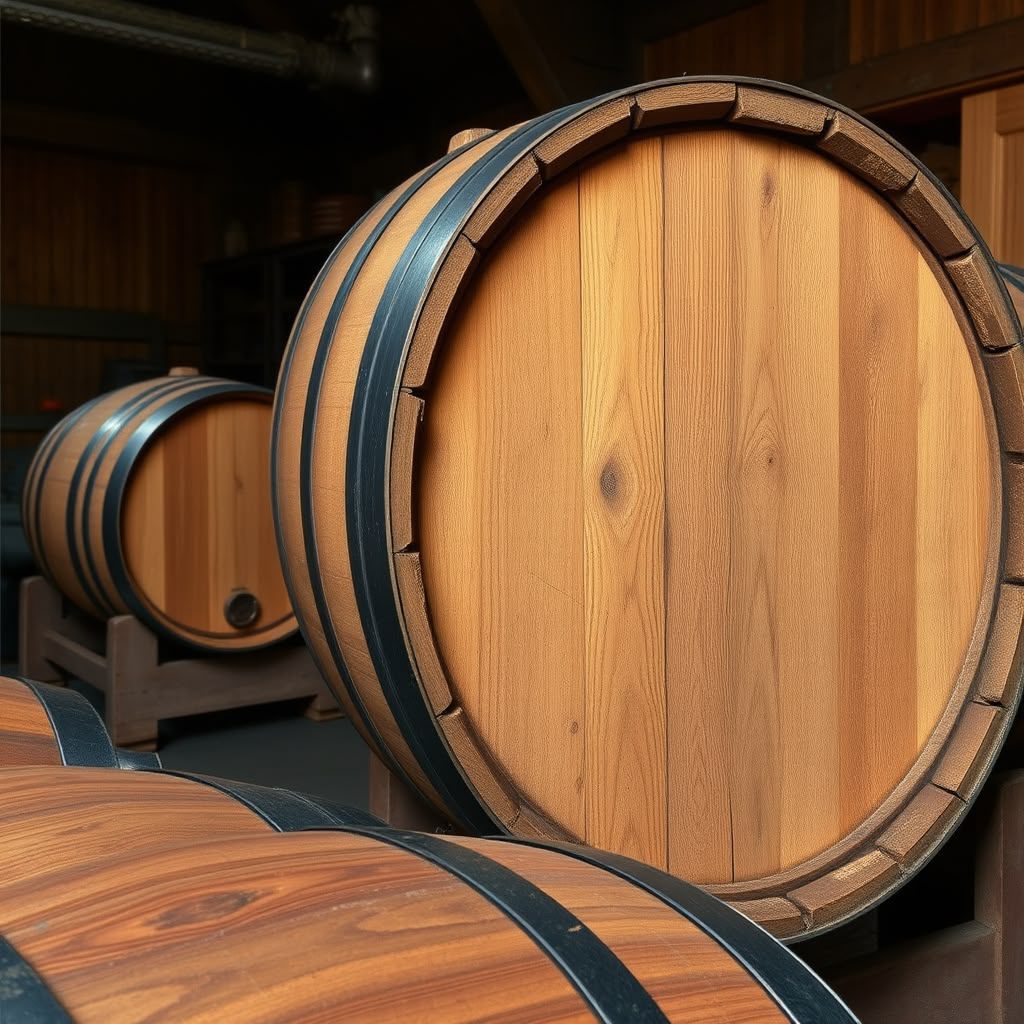
The Dynamic Relationship Between Wine and Wood
The aging process in barrels is a complex dance between wine and wood, resulting in a multitude of flavor evolutions and aromatic complexities. This relationship begins as soon as the wine enters the barrel, initiating a series of interactions that significantly alter its character.
Key Aspects of Wine-Wood Interaction
1. Flavor Evolution
As wine ages in wooden barrels, it interacts with the wood, leading to the extraction of various compounds. This interaction is not uniform; it evolves over time, influenced by factors such as:
- Contact Time: The duration for which wine remains in contact with the wood affects the depth of flavor development.
- Wood Type: Different woods impart unique characteristics. For instance, oak is renowned for its ability to add richness and complexity through its naturally occurring compounds.
- Environmental Conditions: Temperature and humidity during aging can alter how wine interacts with wood.
2. Key Compounds Transferred from Wood
The following key compounds are transferred from wood to wine during the aging process:
- Vanillin: This compound provides sweet vanilla notes, enhancing the overall sensory profile of the wine. Its presence is particularly pronounced when using toasted oak barrels.
- Tannins: These contribute to the structure and mouthfeel of the wine, providing necessary balance alongside acidity and fruitiness. Tannins extracted from wood also help preserve the wine, allowing it to age gracefully.
- Lactones: These compounds impart coconut-like flavors and are most prevalent in American oak.
- Phenolic Compounds: Volatile phenols affect aroma, adding layers of complexity that evolve as the wine matures.
Impact on Wine Characteristics
The interplay between these compounds and wine leads to several notable changes:
- Aromatics: The aromatic profile deepens over time. For example, young wines may display fresh fruit notes that gradually transition into more complex aromas like dried fruits, spices, or even earthy undertones as they age in barrels.
- Flavor Complexity: The combination of various wood-derived compounds results in a rich tapestry of flavors. A Cabernet Sauvignon aged in new French oak might showcase dark fruit flavors complemented by hints of chocolate and cedar thanks to this intricate relationship.
- Mouthfeel: The tannins absorbed from wood enhance not just the structure but also the mouthfeel, contributing to a rounder palate experience.
Understanding how wine interacts with wood throughout its aging journey reveals essential nuances that influence taste. This knowledge underscores the importance of each step in the cooperage process from wood selection to assembly and toasting. It highlights why traditional cooperage practices remain vital within winemaking today. Each choice made by coopers directly impacts the final product, ultimately shaping your enjoyment of the wine.
Furthermore, studies have shown that these interactions can be scientifically analyzed to better understand their effects on flavor profiles and quality. Research indicates that the type of wood used can significantly influence not only the taste but also the overall health benefits associated with certain wines. Additionally, it’s fascinating to note how the chemical composition of both wine and wood can lead to unexpected outcomes.
The Future of Traditional Cooperage: Balancing Tradition and Innovation
The world of traditional barrel-making, known as cooperage, is still going strong. It remains important in today’s winemaking scene. As wineries look for ways to improve their products, they still rely on the old techniques used by coopers. These methods, based on skill and experience, create barrels that can greatly influence the taste of wine through complex interactions between wood and liquid.
Modern Innovations in Cooperage
While we celebrate traditional practices for their artistry and depth, there are also exciting improvements brought about by modern advancements. These innovations aim to enhance barrel performance while still respecting the age-old techniques. Some significant developments include:
- Precision Tools: Advanced machinery allows coopers to achieve greater accuracy when shaping staves and constructing barrels. This precision helps maintain consistent quality across batches.
- Software Technology: Digital tools aid in monitoring the aging process. Winemakers can analyze data on temperature, humidity, and other factors to ensure optimal conditions for flavor development.
- Alternative Wood Treatments: Techniques such as micro-oxygenation introduce controlled oxygen exposure to wine during aging. This method enhances flavor integration without traditional barrel use, offering a different approach for those exploring new avenues.
- Hybrid Barrels: Combining staves from various wood types creates hybrid barrels that incorporate unique characteristics from each species. For example, mixing American oak with French oak can yield complex flavor profiles that appeal to adventurous winemakers.
Embracing Sustainability
Sustainability has become a focal point within the industry, prompting innovative practices among cooperages. Responsible sourcing of timber ensures that wood selection supports ecological balance. Many coopers now employ environmentally friendly methods in production, such as:
- Recycling Wood: Used barrels are being repurposed for various applications, including furniture or home decor. This approach minimizes waste while preserving the barrel’s legacy.
- Sustainable Forestry Practices: Collaborations with forestry organizations promote sustainable harvesting techniques that protect natural habitats while supplying high-quality wood for cooperage.
The Importance of Education
As we embrace innovation, education remains vital in preserving traditional knowledge. Workshops and courses offered by experienced coopers provide valuable insights into both time-honored methods and modern techniques. Aspiring coopers gain hands-on experience, ensuring that these skills continue to flourish alongside technological advancements.
Balancing tradition with innovation allows the art of cooperage to evolve while honoring its roots. This harmonious relationship fosters a dynamic environment where winemakers can explore new horizons while appreciating the craftsmanship behind every wooden barrel.
Conclusion: Appreciating the Craft Behind Wooden Barrels
The intricate world of traditional cooperage practices reveals much about the artistry involved in crafting wooden barrels. These barrels are not merely vessels; they play a pivotal role in shaping the character and flavor of wine.
To truly appreciate this craft, consider the following:
- Explore Diverse Wines: Seek out wines aged in various types of barrels, such as oak, acacia, and chestnut. Each wood type imparts unique flavors and aromas, enriching your tasting experience. Notice how the nuances from different barrels can transform a single varietal into a myriad of profiles.
- Visit Local Wineries or Cooperages: Engage with the process firsthand by visiting local wineries or cooperages. Witnessing the meticulous techniques used in barrel-making— from wood selection to assembly and toasting—offers profound insights into why these elements matter.
Understanding these methods is key to unlocking The Secrets of Traditional Cooperage: How Are Wooden Barrels Made? By exploring the barrel-making process, you connect with the roots of winemaking that influence every sip.
Barrels serve as conduits for flavor development; their impact on wine’s aromas cannot be overstated. As you sip your next glass, reflect on the journey it took from raw timber to refined beverage. The dedication of coopers ensures that each barrel contributes to a legacy that continues to evolve, marrying tradition with innovation. Embrace this journey and discover how each pour carries stories crafted over generations.
FAQs (Frequently Asked Questions)
What is traditional cooperage?
Traditional cooperage refers to the age-old craft of making wooden barrels, a process that involves selecting specific types of wood, assembling the barrel, and toasting it to enhance the flavors of wine. This intricate process significantly influences the aromas and overall characteristics of the wine during aging.
What types of wood are commonly used in barrel-making?
The most popular woods used in cooperage include oak (specifically Quercus robur and Quercus alba), chestnut, and acacia. Each type of wood imparts distinct flavors and characteristics to the wine, making the choice of wood crucial for barrel production.
How does the seasoning process affect wooden barrels?
Seasoning is a critical step in barrel-making that involves air-drying the wood staves. This process enhances the wood’s potential by allowing it to develop flavors that will later be imparted to the wine. Proper seasoning contributes significantly to flavor development within the barrel.
What are the key stages in the barrel-making process?
The barrel-making process includes several key stages: selecting the appropriate wood, air-drying or seasoning the staves, skillfully assembling them into a barrel, and finally toasting the interior. Each stage plays an important role in determining the final quality and flavor profile of the barrel.
How does toasting influence wine profiles?
Toasting is a vital step in barrel production that involves heating the interior of the barrel to varying degrees. Different levels of toast can unlock complex aromatic potentials and influence flavor profiles by introducing compounds such as vanillin and tannins from the wood into the wine.
What is the relationship between wine and wood during aging?
During aging, wine interacts with the wood of the barrel, leading to flavor evolution and complexity. Key compounds are transferred from wood to wine over time, enriching its character. This dynamic relationship is essential for developing nuanced flavors in aged wines.


