Throughout history, oak barrels have played a pivotal role in winemaking. Their origins can be traced back to the Greek and Roman empires, where they served as essential containers for wine transportation. Due to the favorable properties of oak, such as its waterproof qualities and abundance in Europe, barrels became a staple in wine production, influencing both the storage and enhancement of wine quality.
In modern winemaking, barrels are far more than mere vessels. They are crucial to the wine’s development, imparting complex flavors like vanilla and spice, and allowing for controlled oxygen exposure that enhances the wine’s texture and aroma. This intricate process, enriched by tradition and craftsmanship, underscores the fundamental importance of barrels in creating high-quality wines today.
Origins of Barrel Use
The initial use of barrels dates back over 2000 years, primarily for the storage and transportation of goods. Ancient civilizations, like the Egyptians, crafted early forms of barrels from reeds and wood, bound by wooden bands. The true advent of wooden barrels, however, is credited to the Celts around the start of the first millennium. They leveraged their ironworking skills to produce durable containers, which the Romans quickly adopted for their robust trade networks.
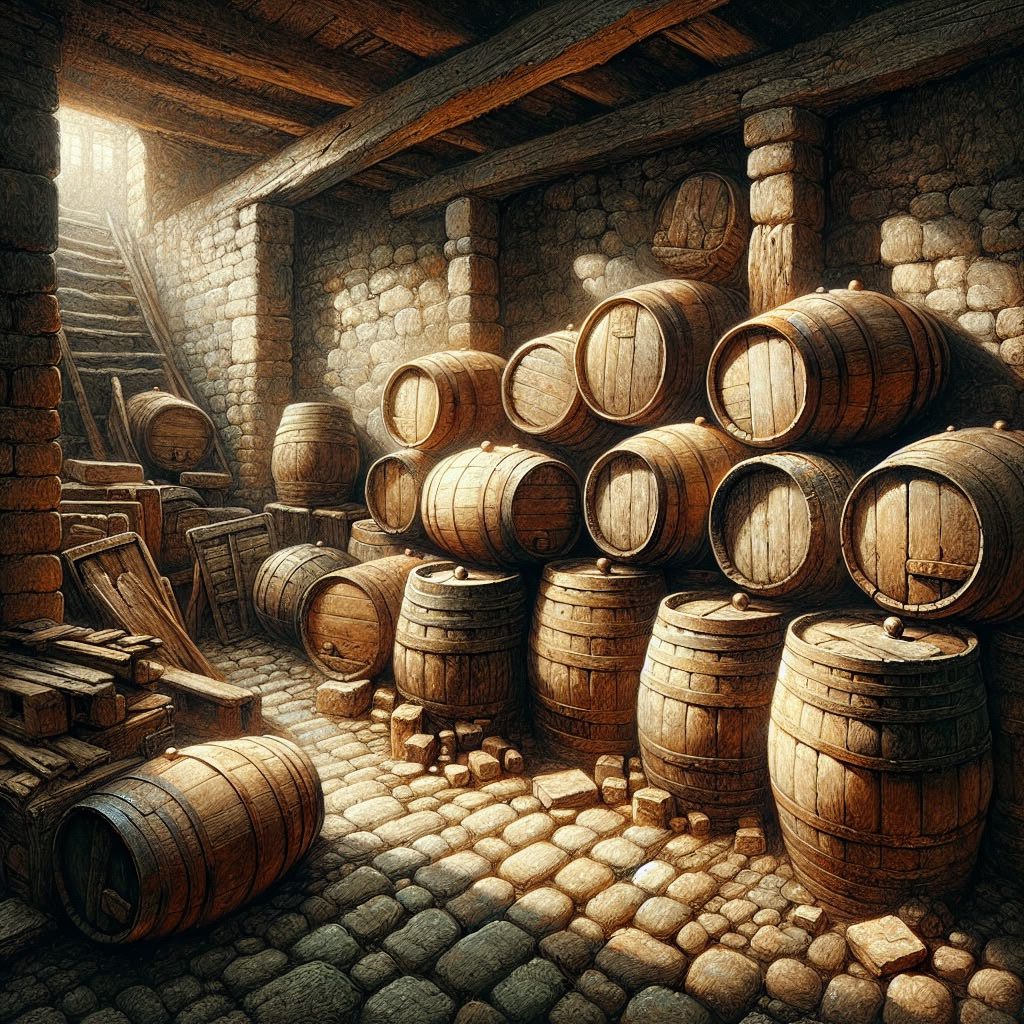
Wooden barrels offered significant advantages over ceramic vessels, being more durable and easier to handle due to their cylindrical shape. This design allowed barrels to be rolled, facilitating the movement of heavy goods across various terrains. Over time, barrels became integral to global trade and logistics, as exemplified during the preparations for the Spanish Armada when large stockpiles were essential for military operations.
Cultural influences also played a pivotal role in the evolution of barrel use. As trade expanded, different regions adopted barrels for aging and transporting spirits and wines, from European brandies to Caribbean rums. This adaptation not only helped preserve the contents but also enhanced their flavors, demonstrating the barrels’ versatility and enduring significance in various cultural contexts.
Transition to Winemaking Tools
The evolution of barrels from simple storage solutions to essential winemaking tools marked a pivotal shift in the industry. Initially, barrels were prized for their durability and ease of transport, as seen in their widespread use by the Romans and during the Spanish Armada. However, their role expanded significantly as winemakers discovered the benefits of aging wine in wood.
The interaction between the wine and the barrel’s wooden staves introduced new flavors and complexities, transforming barrels into instrumental components of the winemaking process. In the 13th century, European winemakers began utilizing oak barrels not merely for storage but for the enhancement of wine quality. This practice became more refined in the 1600s when oak casks were used to transport brandies, allowing for aging in transit, which improved flavor profiles.
By the 1700s, barrels had become integral to winemaking, with regions like Bordeaux and the Douro Valley in Portugal embracing oak aging to produce smoother, more complex wines. This transition underscored the barrel’s evolution from a utilitarian vessel to a sophisticated tool that shaped the character and quality of modern wines.
Barrel Material and Wine Quality
The choice of wood for barrel construction is pivotal in determining the quality and flavor of wine. Among the various woods, oak stands out as the predominant choice, particularly white oak. This preference stems from oak’s unique properties, such as being watertight yet breathable, which facilitates controlled oxygenation during aging.
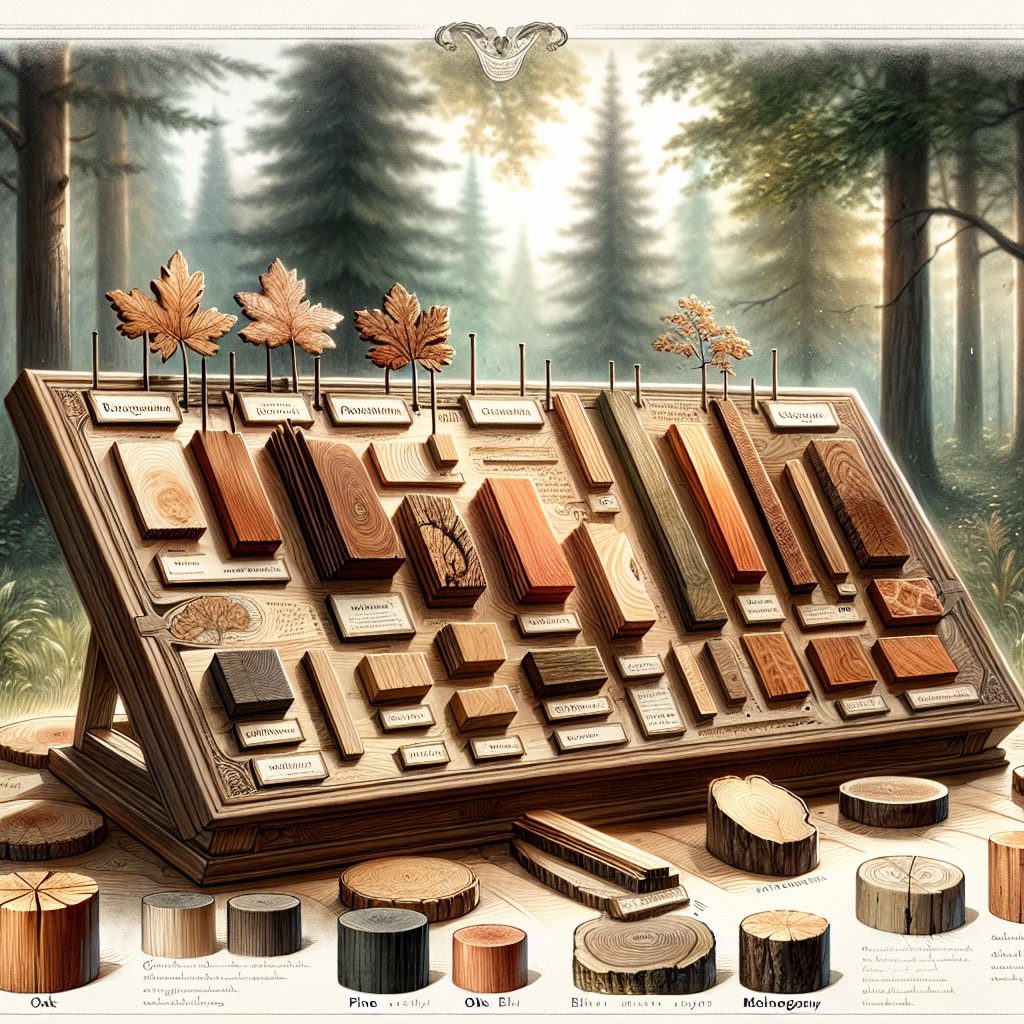
- Quercus petraea: Known for its tight grain and rich aromatic compounds, this European oak imparts flavors of vanilla and clove, with lower tannin levels.
- Quercus robur: With a coarser grain, this species offers more structure and tannins, contributing a robust texture to the wine.
- Quercus alba: An American oak recognized for its dense texture, it provides distinctive coconut and vanilla notes, suitable for bold wines.
The origin and grain of the oak significantly impact wine. Tighter grains lead to subtle, nuanced flavors, while coarser grains enhance tannins and structure. This intricate relationship between wood and wine underscores the barrel’s essential role in modern winemaking, marrying tradition with flavor innovation.
Craftsmanship and Design
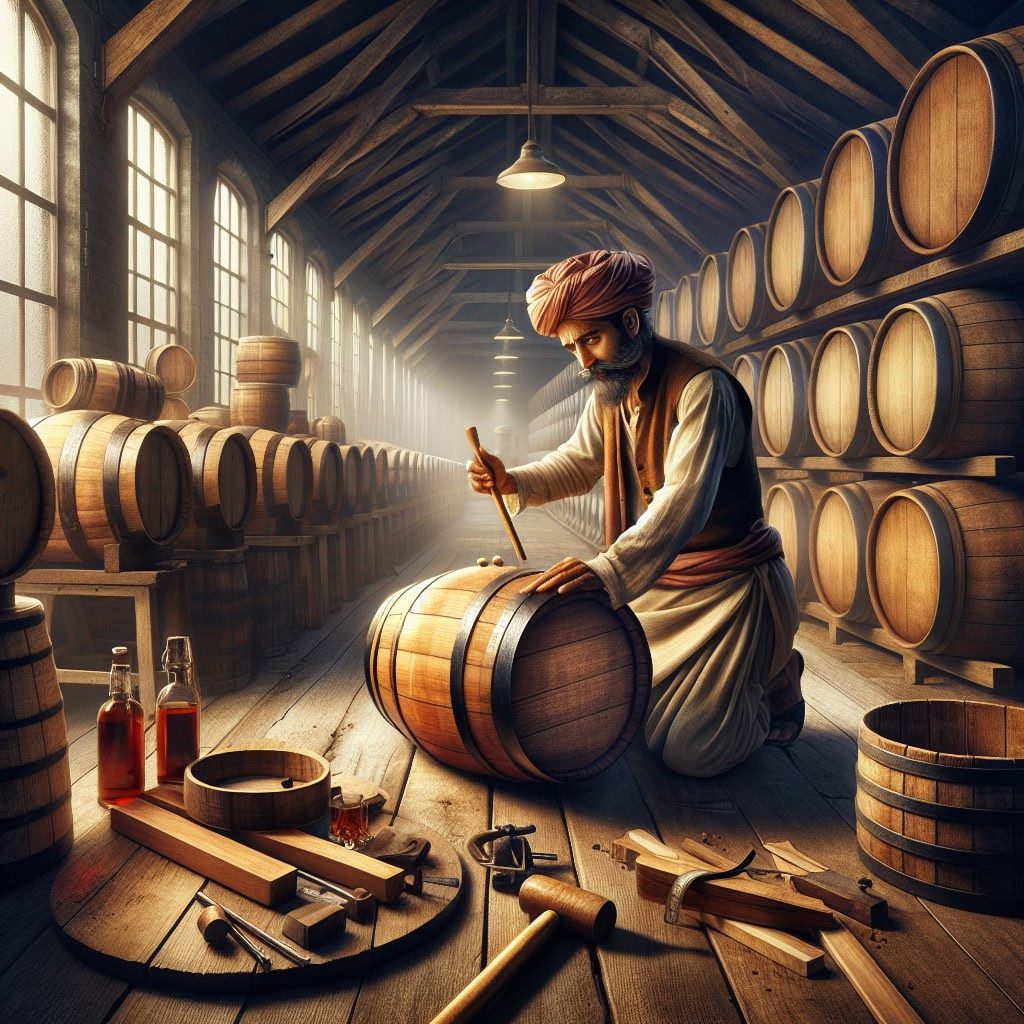
Traditional barrel-making techniques are steeped in a meticulous craft that dates back centuries. The process, known as coopering, begins with selecting and air-drying wood for 1-3 years to ensure optimal quality. This is followed by shaping the staves with precision and skill, using tools like side axes and cooper’s planes. The barrel’s structural integrity is crucial, with the strongest point at the bilge, ensuring that the staves fit snugly. Once assembled, the barrels are toasted to enhance the flavors imparted by the wood, a practice that reflects a deep understanding of wood properties and the aging process.
In contrast, modern innovations in barrel design, such as those developed by Tonnellerie Quintessence in Bordeaux, introduce advanced techniques like a misting process during toasting. This method ensures even heat penetration, enhancing tannin and aroma extraction. Additionally, the use of various barrel sizes and toasting profiles allows winemakers to tailor the aging process to achieve specific flavor profiles. These advancements not only refine the aging process but also offer winemakers a broader palette of flavors and textures to work with, marking a significant evolution in barrel use.
Barrels and Fermentation
The use of barrels in the fermentation process of wine represents a critical evolution from simple storage to integral winemaking tools. In this context, barrels offer unique benefits that enhance wine quality, particularly for both white and red varietals. For white wines, oak barrels facilitate a quicker fermentation process due to their heat-retaining properties. This results in warmer fermentation conditions that may reduce fruitiness but enhance toasty aromas while promoting the completion of alcoholic and malolactic fermentation. The practice of sur lie aging, where wine remains in contact with the lees, adds viscosity and a creamy-yeasty character. Techniques such as bâttonage, or stirring the lees, can further enhance these qualities.
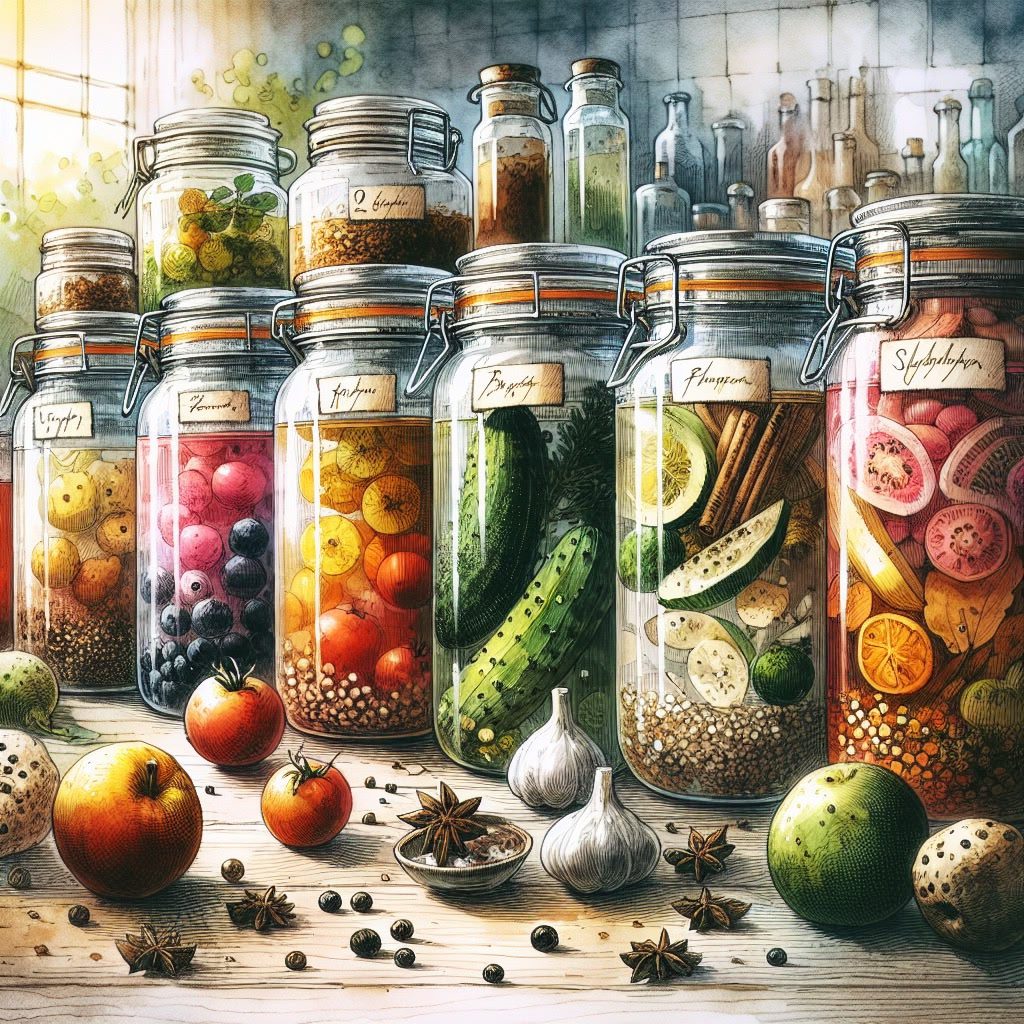
Barrel fermentation also provides distinct advantages over other methods, such as stainless steel tank fermentation. It contributes to a more complex flavor profile by allowing the wine to absorb tannins and flavors from the oak, resulting in enhanced flavor complexity and a lighter oaky taste. Additionally, the process imparts a creamy and buttery texture, particularly desirable in wines like Chardonnay. The ability of barrels to allow slow oxygen exposure softens tannins and adds richness, increasing the wine’s aging potential and leading to a more refined final product.
Aging Wine in Barrels
The aging process in barrels represents a crucial phase in winemaking, enhancing both the complexity and character of wine. Barrels, typically made from oak, are revered for their ability to contribute to the wine’s maturation by facilitating a slow, controlled exposure to oxygen. This gradual oxidation process softens the tannins, resulting in a smoother mouthfeel and more rounded flavors. Additionally, the porous nature of barrels allows for evaporation, concentrating the wine’s essence.
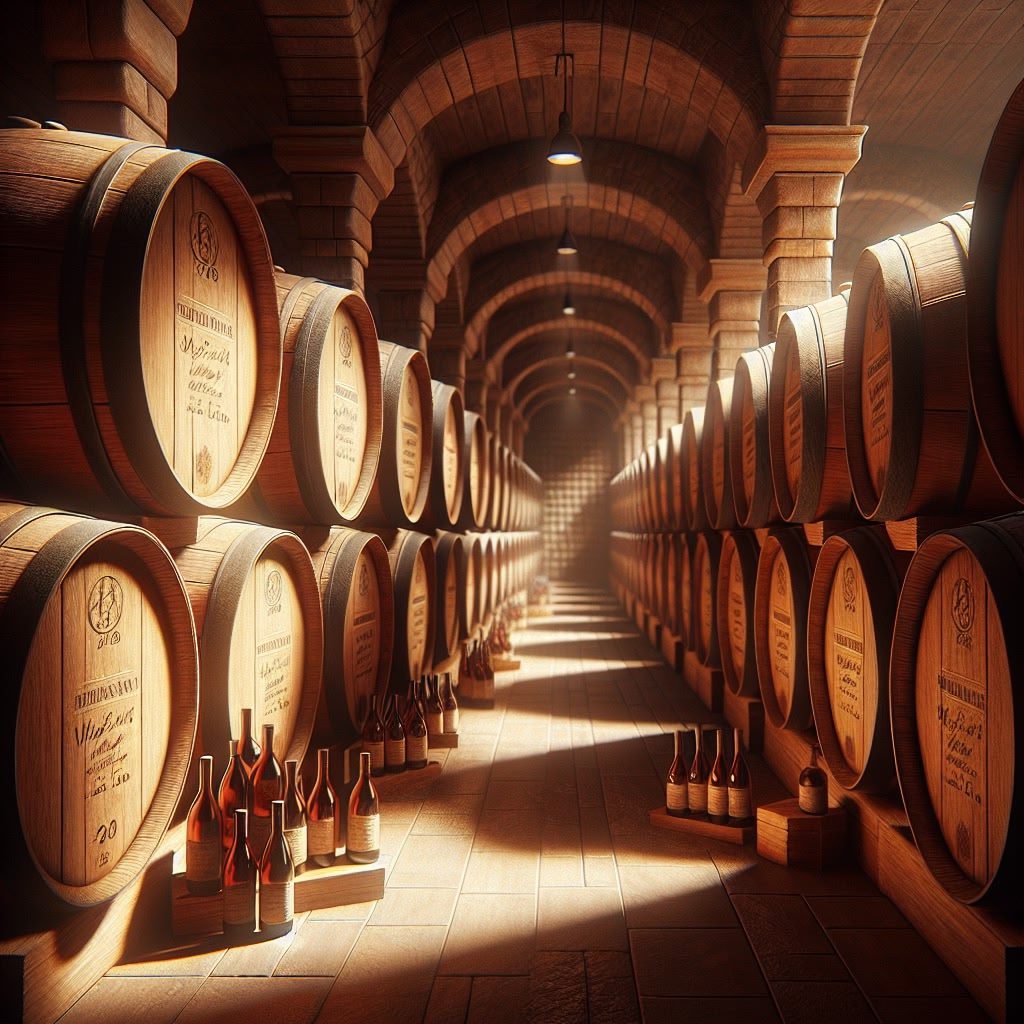
During aging, barrels impart a range of desirable characteristics to the wine. The interaction between the wine and the wood enhances flavor complexity, introducing subtle notes of vanilla, spice, and toast. The choice of oak, whether French or American, can further influence the wine’s profile, adding unique aromatic and textural dimensions. Barrel aging also supports the development of a fuller mouthfeel, with techniques such as bâttonage intensifying this effect.
Ultimately, the aging of wine in barrels not only preserves but elevates the wine’s intrinsic qualities, crafting a final product that is rich in flavor and balanced in structure, and offering wine enthusiasts a refined and memorable experience.
Economic Implications
The use of barrels in winemaking undeniably enhances the wine’s quality, yet it also introduces significant economic considerations. Barrels, particularly those made from French oak, are expensive, often costing hundreds of dollars each. This expense directly influences wine pricing, as winemakers must balance these costs while maintaining competitive market rates. Consequently, the cost of barrels can lead to higher prices for barrel-aged wines, positioning them as premium products within the market.
Efficiency and quality present another economic dichotomy. While stainless steel tanks offer a cost-effective and efficient alternative, they lack the ability to impart the complex flavors and textures achieved through barrel fermentation. Winemakers often face the challenge of deciding between the efficiency of modern methods and the superior quality that barrels provide. The decision hinges on the desired wine profile and the target consumer market.
Ultimately, the economic implications of barrel use in winemaking reflect a delicate balance between cost efficiency and the pursuit of exceptional quality. This balance influences not only production strategies but also the consumer perception of value in barrel-aged wines.
Sustainability Challenges
The environmental impact of barrel production in winemaking is significant, rooted deeply in the tradition of using oak. This process, while enhancing wine quality, also imposes ecological strains due to the energy-intensive nature of manufacturing and the carbon emissions from transportation. Moreover, the demand for oak barrels can lead to the overharvesting of oak forests, threatening their sustainability.
Efforts to mitigate these sustainability issues are gaining momentum across the industry. Sustainable forestry practices are being prioritized, focusing on selective harvesting and the management of oak forests to ensure that younger trees grow, thereby maintaining the ecosystem’s health. Additionally, initiatives such as the zero waste policy by World Cooperage emphasize the complete utilization of timber, repurposing unsuitable wood into other products.
Many producers are collaborating with cooperages and stakeholders to preserve oak ecosystems through responsible forest management. By adopting these sustainable practices, the industry not only addresses environmental concerns but also strives to secure the longevity of barrel use in winemaking.
Consumer Perception and Trends
In recent years, consumer interest in barrel-aged wines has surged, reflecting a growing appreciation for the complexities these wines offer. Enthusiasts are increasingly drawn to the nuanced flavors imparted by barrel aging, such as vanilla, spice, and toast, which add depth and character to the wine.
This trend is not only influencing consumer purchasing decisions but also encouraging winemakers to experiment with different barrel types and aging techniques. Wines aged in barrels are often perceived as superior in quality, largely due to the craftsmanship and tradition associated with barrel use. This perception of superior quality is linked to the belief that barrels enhance the wine’s structure, balance, and overall sensory experience.
Moreover, sustainable practices in barrel production, such as those emphasized by O’Neill Vintners & Distillers, also resonate with environmentally conscious consumers. As sustainability becomes a priority, wines produced with eco-friendly barrels gain favor, aligning with the values of modern consumers. This shift in consumer perception is shaping the future of winemaking, where the artistry of barrel use continues to play a pivotal role.
Technological Advancements
In recent years, the winemaking industry has embraced technological advancements that enhance barrel use, optimizing both efficiency and quality. Modern cooperages are integrating precision tools and techniques, such as laser-guided toasting, to achieve consistent flavor profiles. This innovation allows winemakers to precisely control the level of toast, impacting the subtle notes imparted to the wine.

Additionally, the development of alternative materials, such as stainless steel barrels with oak inserts, provides winemakers with new options for flavor experimentation without sacrificing quality. These technological strides reflect a broader trend towards sustainability, aligning with efforts to reduce the environmental footprint of traditional barrel production.
Looking ahead, the future of barrel use in winemaking is promising, with potential innovations in smart technology. This includes the integration of sensors that monitor and adjust the aging environment in real-time. Such advancements could revolutionize wine aging by providing data-driven insights, ensuring optimal conditions throughout the process. As the industry continues to innovate, the synergy between tradition and technology will likely lead to more sustainable and refined winemaking practices.
Conclusion
The evolution of barrels in winemaking is a testament to their transformative role from mere containers to pivotal instruments in enhancing wine quality. Initially utilized for storage and transport, barrels have become integral to the winemaking process, influencing flavor and character through materials like oak. Traditional craftsmanship and modern innovations have further refined their utility, showcasing the synergy between heritage and technology.
Looking ahead, sustainable practices and technological advancements will likely shape the future of barrel use. As the industry embraces eco-friendly methods and smart technologies, barrels will continue to evolve, promising a balance between tradition and innovation. This ongoing evolution underscores barrels’ enduring impact on winemaking, ensuring their relevance for generations to come.
Frequently Asked Questions
As the role of barrels in winemaking continues to evolve, several questions arise regarding their use and impact. Here are some common queries, along with expert insights:
Q: Why are barrels essential in winemaking?
A: Barrels play a crucial role in winemaking by imparting unique flavors and aromas to the wine. They facilitate oxygenation, which softens tannins and enhances complexity.
Q: What types of wood are commonly used for barrels?
A: Oak is the predominant wood, with specific types like Quercus alba, Quercus petraea, and Quercus robur being favored for their distinct characteristics and influence on wine.
Q: How do sustainable practices impact barrel production?
A: Sustainable practices, such as selective harvesting and sustainable forest management, ensure the long-term availability of oak while minimizing environmental impact.
Q: What is the future of barrel use in winemaking?
A: Innovations in barrel technology and a focus on sustainability are likely to drive future trends, maintaining the balance between tradition and modern winemaking techniques.


