The ancient Romans mastered winemaking techniques that vanished from history, yet their ghost still haunts every bottle we uncork today. Picture this: you’re holding a glass of wine that carries the exact same flavor profile that once graced Caesar’s table, crafted using methods that disappeared with the fall of an empire. This isn’t fantasy—it’s the remarkable journey of resurrecting lost winemaking traditions that modern craft enthusiasts thought were gone forever.
In our age of mass production and standardized flavors, something profound stirs when we encounter authenticity that stretches back millennia. The quest to revive ancient Roman wine techniques represents more than historical curiosity—it’s a bridge connecting us to the very roots of winemaking civilization itself. These forgotten methods hold secrets that could revolutionize how we think about terroir, fermentation, and the sacred relationship between grape and glass.
The Archaeological Journey Into Wine’s Lost Past
Understanding extinct wine traditions begins with recognizing that the Romans weren’t just drinking wine—they were engineering it. Ancient texts reveal sophisticated approaches to viticulture that modern science is only beginning to appreciate. Roman winemakers understood concepts we’re rediscovering today: the importance of native yeasts, the impact of vessel materials on flavor development, and fermentation techniques that created complexity impossible to achieve through contemporary methods.
The challenge lies not in finding these techniques, but in translating them. Ancient Roman winemaking relied on principles that modern regulations and equipment have essentially outlawed or made obsolete. Imagine trying to recreate a recipe written in a language you barely speak, using ingredients that no longer exist, with tools that have been banned for safety reasons. This is the puzzle facing anyone serious about authentic Roman wine revival.
The research process becomes an exercise in archaeological detective work. Ancient amphorae tell stories about fermentation vessels that influenced flavor in ways modern stainless steel cannot replicate. Clay pot fermentation, for instance, allows for micro-oxygenation that creates entirely different chemical reactions during the winemaking process. Roman writers like Columella and Pliny documented techniques for creating wines that could age for decades using methods completely foreign to today’s winemakers.
Decoding Ancient Fermentation Wisdom
Roman winemakers understood fermentation as both art and science long before we had terms for the biochemical processes involved. They developed techniques for managing wild yeast populations, creating what we now recognize as spontaneous fermentation—but with a level of control that modern natural wine movements are still trying to master.
Consider the Roman practice of using specific clay compositions for different wine styles. These weren’t arbitrary choices but deliberate decisions based on understanding how different minerals affected fermentation and aging. The Romans knew that iron-rich clays would create certain flavor compounds, while limestone-based vessels would produce entirely different characteristics. This knowledge, passed down through generations, vanished when winemaking industrialized.

Bridging Ancient Methods With Modern Reality
The most fascinating aspect of reviving Roman wine techniques lies in the creative problem-solving required to adapt historical methods to contemporary constraints. Modern food safety regulations, equipment availability, and consumer expectations create a complex web of challenges that ancient winemakers never faced.
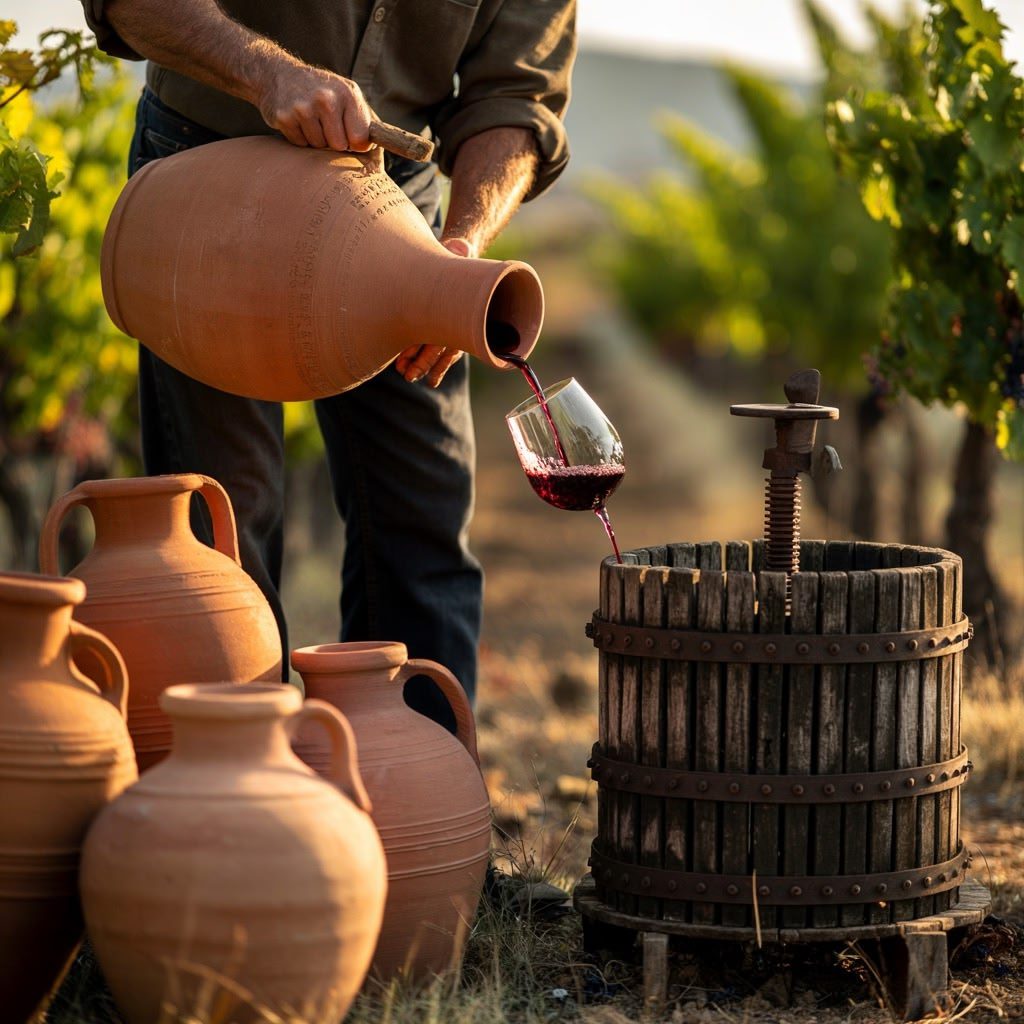
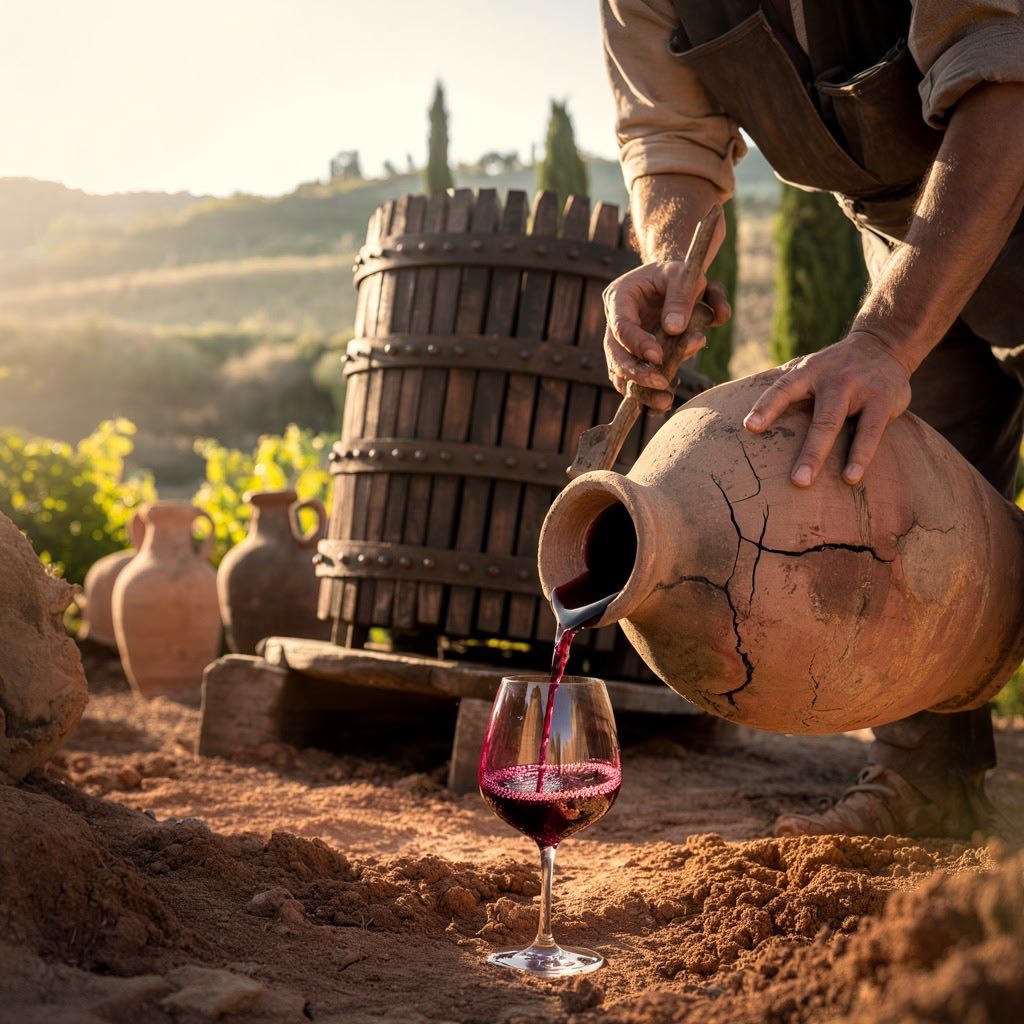
Think about fermentation vessels. Romans used large clay amphorae buried in the ground for temperature control and aging. Today’s winemaker interested in this technique must navigate health department approvals, find authentic clay sources, and modify traditional shapes to work with modern handling equipment. The essence of the technique remains, but the execution requires innovative adaptation.
Temperature control presents another fascinating challenge. Romans relied on natural cooling methods—burying vessels, using cave systems, timing harvest and fermentation with seasonal temperature changes. Modern climate-controlled facilities can replicate these conditions more precisely, but something ineffable is lost when you remove the natural variability that ancient wines embraced.
The Equipment Evolution Challenge
Perhaps nowhere is the adaptation challenge more apparent than in pressing and crushing techniques. Roman wine presses operated on principles of gradual, gentle pressure over extended periods. Modern equipment prioritizes efficiency and yield over the slow, contemplative process that ancient methods required.
Recreating authentic pressing techniques means either sourcing antique equipment—which rarely meets modern sanitation standards—or commissioning custom pieces that honor traditional principles while satisfying contemporary requirements. This intersection of old and new creates opportunities for innovation that neither ancient nor modern approaches could achieve independently.

Flavors Lost to Time: What Ancient Wines Actually Tasted Like
The flavor profiles achieved through authentic Roman techniques challenge every assumption modern wine drinkers hold about what wine should taste like. These aren’t variations on familiar themes—they’re entirely different expressions of what fermented grape juice can become.
Ancient Roman wines often featured characteristics that would seem foreign to contemporary palates. Clay fermentation creates mineral notes that glass and steel cannot replicate. Extended skin contact, common in Roman winemaking, produced tannin structures unlike anything in modern wine. The use of native yeasts created flavor compounds that commercial yeasts have been selected to avoid.
Imagine wine with the complexity of ancient terroir—flavors that speak not just of grape and place, but of time itself. Roman techniques often produced wines with savory characteristics, herbal notes from traditional additives, and aging potential that modern wines struggle to match. These weren’t accidents but deliberate choices reflecting a completely different philosophy about what wine should be.
The Terroir Time Machine
Perhaps most intriguingly, reviving ancient techniques creates opportunities to taste terroir as it existed centuries ago. Modern viticulture has dramatically altered soil composition, vine genetics, and growing environments. By combining historical methods with heritage grape varieties, winemakers can approximate the actual flavors that defined different regions in Roman times.
This goes beyond historical curiosity—it’s about understanding wine at its most fundamental level. Roman techniques reveal flavor potential in grapes that modern methods never unlock. Clay fermentation, for instance, can highlight mineral characteristics that stainless steel fermentation completely masks. Extended aging on natural lees creates complexity that modern filtration eliminates.

The Cultural Renaissance of Ancient Craft
Reviving extinct Roman wine traditions represents something larger than winemaking—it’s about reclaiming connection to craftsmanship that prioritized depth over efficiency, complexity over consistency, and cultural significance over commercial appeal.
In our era of standardized production and globalized flavors, ancient techniques offer a path back to wines that tell stories. Each bottle becomes a conversation with history, a tangible connection to civilizations that understood wine as more than beverage—as culture, tradition, and art combined in liquid form.
This revival speaks to a deeper human need for authenticity. In a world where most experiences feel manufactured and optimized, encountering wine made through methods unchanged for millennia provides something increasingly rare—genuine connection to our cultural heritage.
Craftsmanship as Cultural Bridge
The process of learning and implementing ancient techniques creates profound respect for the knowledge that previous generations developed through centuries of experimentation. Roman winemakers didn’t have modern analytical tools, yet they achieved results that contemporary science struggles to explain, much less replicate.
Working with these methods develops intuitive understanding that no textbook can provide. You learn to read fermentation by sound, smell, and visual cues that ancient winemakers used as their primary tools. This hands-on connection to historical craft creates appreciation for human knowledge that transcends technology.
Innovation Through Historical Authenticity
The most unexpected aspect of reviving Roman wine techniques is how they inspire innovation. By understanding principles that modern winemaking has forgotten, contemporary craftspeople can develop entirely new approaches that honor tradition while embracing present possibilities.
Ancient techniques reveal that many “modern” innovations are actually rediscoveries of historical knowledge. Natural fermentation, minimal intervention winemaking, and terroir expression—all current trends—were standard practice in Roman times. By studying these methods, modern winemakers gain tools for creating wines that feel both timeless and revolutionary.
This creates a fascinating paradox: the most innovative contemporary wines often employ the most ancient techniques. By looking backward, winemakers discover forward paths that mass production methods cannot access.
The Future of Ancient Methods
As interest in authentic, small-batch production grows, ancient techniques offer competitive advantages that modern methods cannot replicate. Consumers increasingly value uniqueness, story, and connection to tradition—exactly what revived Roman methods provide.
The revival also preserves knowledge that would otherwise be lost forever. Each successful implementation of ancient techniques adds to our understanding of historical winemaking and creates potential for future innovations based on rediscovered principles.
Conclusion: Tasting History, Creating Future
The journey to revive extinct Roman wine traditions reveals that innovation and tradition need not oppose each other—they can enhance each other in ways that create entirely new possibilities. By resurrecting ancient methods, modern winemakers gain access to flavor profiles, techniques, and philosophical approaches that mass production has made us forget were possible.
This revival represents more than historical recreation—it’s about expanding what wine can be in an era when everything seems to taste the same. Ancient Roman techniques offer pathways to uniqueness that no modern method can duplicate, creating opportunities for wines that truly stand apart in a crowded marketplace.
Most importantly, this work connects us to the continuum of human craftsmanship that stretches back thousands of years. Every bottle created through authentic Roman techniques carries not just the flavor of grapes and terroir, but the accumulated wisdom of generations who understood wine as cultural expression rather than mere commodity.
For those who value authenticity, craftsmanship, and connection to history, the revival of Roman wine traditions offers something increasingly rare in our modern world—the opportunity to taste the past while creating the future. In rediscovering what we lost, we gain tools for creating what has never existed before.
The question isn’t whether we can successfully revive these ancient methods, but whether we’re willing to embrace the patience, dedication, and respect for tradition that authentic revival requires. For those ready to undertake this journey, the rewards extend far beyond wine itself—they offer connection to the very foundations of civilization’s relationship with the vine.


