Wine maturation is a pivotal phase in the winemaking process, where wine evolves to achieve its full potential. This stage stabilizes color, enhances aromatic depth, and harmonizes flavors, resulting in a well-balanced product. Historically, wooden barrels have played a crucial role in this process. Originating from the Greek and Roman eras, these barrels were initially used for transportation but soon became integral for aging, imparting unique flavors like clove and vanilla. Their historical significance persists today, influencing modern winemaking practices.
The Science Behind Wine Maturation
The maturation of wine in wooden barrels is a complex chemical interplay that significantly enhances its flavor and aroma. At the heart of this process is the interaction between the wine and the oak barrels, which are preferred for their porous nature and chemical composition. As wine ages, it extracts essential compounds such as lignin, cellulose, and hemicellulose from the wood. These compounds, along with tannins, contribute to the wine’s structure and ageability.

Micro-oxygenation plays a vital role in this maturation process. The slow infiltration of oxygen through the oak’s pores helps in softening tannins, which is crucial for developing complex flavors. Additionally, the toasting of barrels releases aromatic compounds such as vanillin and oak lactones, introducing flavors like vanilla and spice to the wine.
Furthermore, the porous structure of oak fosters microbial activity, which contributes to the wine’s unique character. This dynamic interaction between chemical reactions and microbial influences results in a wine profile that is rich in depth and complexity, showcasing the indispensable role of wooden barrels in wine maturation.
Reason One: Oxygenation
Controlled Oxygen Exposure
Wooden barrels play a pivotal role in wine maturation through the process of controlled oxygen exposure. The oak’s porous structure allows small amounts of oxygen to permeate through the wood, gently interacting with the wine. This gradual oxygen uptake is essential for developing the wine’s sensory properties, facilitating critical chemical reactions that enhance flavor complexity and stability.

Benefits of Oxygenation
Oxygenation, or oxidative aging, offers several advantages. It aids in tannin elongation, making them smoother and more appealing to the palate. Additionally, it stabilizes the color of red wines, shifting hues from vibrant purple-red to a more elegant orange-red as the wine matures. This process also involves reactions between phenolic compounds, leading to reduced astringency and enhanced color stability.
Moreover, the introduction of oxygen through barrel aging can achieve a more balanced and refined flavor profile, contributing to the wine’s overall quality and complexity. This gentle interaction between wine and oxygen is an integral part of traditional winemaking, underscoring the essential role of wooden barrels in enhancing wine flavor.
Reason Two: Tannin Softening
The Role of Tannins
Tannins are naturally occurring compounds in wine that significantly contribute to its texture and mouthfeel. Present in grape skins, seeds, and stems, tannins impart a dry, astringent sensation, which can sometimes be perceived as harsh, especially in young wines. Over time, however, the interaction between tannins and oxygen can transform this initial astringency into a smoother, more refined texture.

Softening Through Barrels
Wooden barrels play a crucial role in the softening of tannins. As oxygen permeates through the oak staves, it facilitates chemical reactions that elongate tannin chains, making them less aggressive on the palate. This process not only enhances the tactile experience of the wine but also contributes to the overall flavor complexity.
As noted by winemaker Jean-Claude Berrouet, “The gentle evolution of tannins is akin to the aging of a fine tapestry, where each thread becomes more integral to the whole.” Such transformations underscore the importance of barrels in refining the sensory attributes of wine, resulting in a luxurious and balanced finish.
Reason Three: Flavor Complexity
Wooden barrels are pivotal in imparting a sophisticated array of flavors to wine, elevating its complexity and depth. Through the aging process, the wine interacts with the oak, absorbing distinct flavor compounds that enhance its overall profile.
Vanilla and Spice
Among the most recognizable contributions from oak barrels are notes of vanilla and spice. These flavors primarily arise from compounds like vanillin and eugenol, which are released during the aging process. Vanillin imparts a smooth vanilla essence, while eugenol introduces a warm spice character, reminiscent of cloves and smoke.
Additional Flavor Profiles
- Furfural: Contributes hints of dried fruit, burnt sugar, and burned almond.
- Guaiacol: Adds subtle burn overtones.
- Oak Lactone: Provides woody, dill, and coconut notes.
- Syringaldehyde: Offers a vanilla-like flavor.
The combination of these flavors with the wine’s inherent characteristics creates an intricate taste experience. The type of oak, whether American or European, along with its usage (new versus used), significantly influences the specific flavors imparted. Barrels, therefore, play an essential role in crafting wines with rich and diverse taste profiles, making them an enduring component of the winemaking tradition.
Reason Four: Microbial Influence
The porous nature of oak barrels fosters an environment where microorganisms thrive, playing a subtle yet profound role in wine maturation. The slow influx of oxygen facilitates microbial activity, including bacteria and yeasts, which contribute significantly to the wine’s character. These microbes can induce secondary fermentation, subtly altering the aroma and enhancing the wine’s complexity.
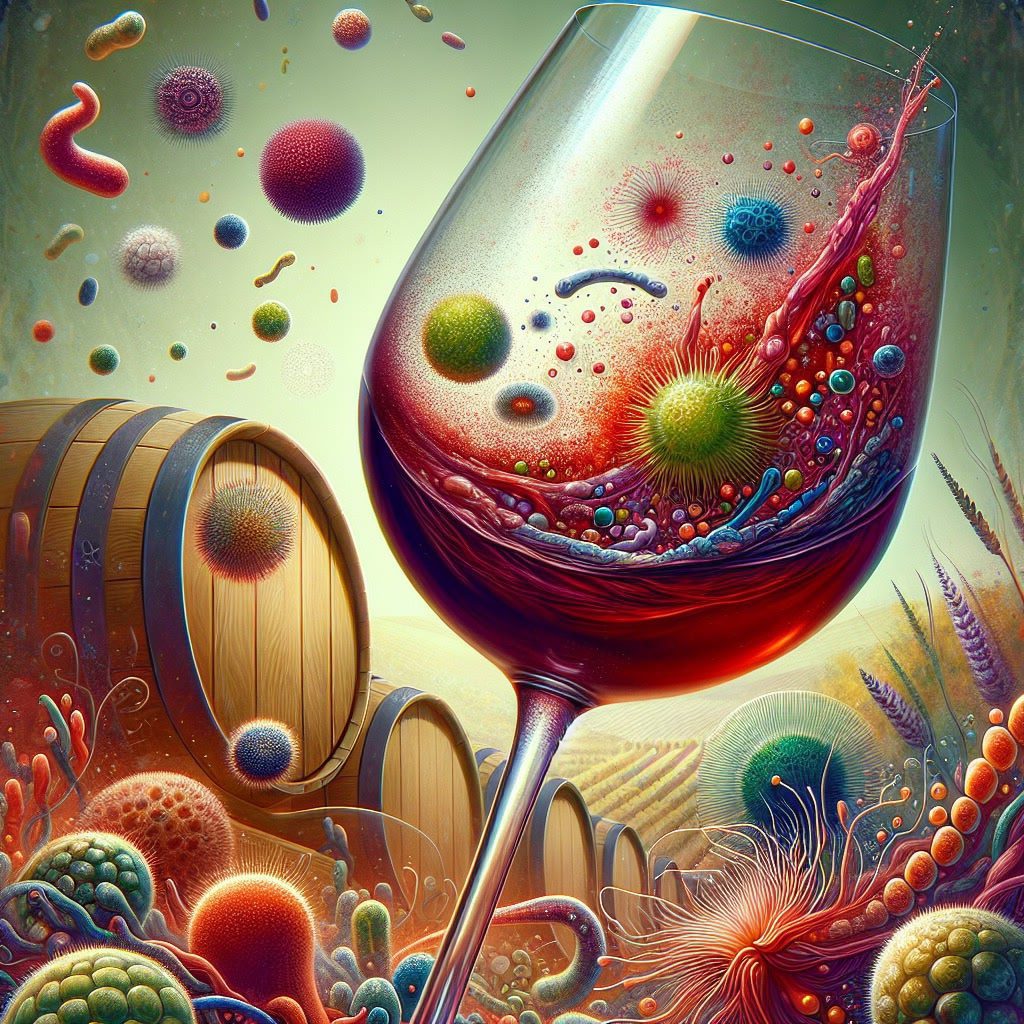
Microbial activity is essential in shaping the nuanced flavor profiles of wines. Yeasts like Saccharomyces cerevisiae are crucial for fermentation, transforming sugars into alcohol and releasing aromatic compounds. Lactic acid bacteria, such as Oenococcus oeni, facilitate malolactic fermentation, softening acidity and adding buttery notes, especially in red wines and Chardonnays.
| Microbial Influence | Effect on Wine |
|---|---|
| Yeasts | Produces alcohol, fruity esters, and spices |
| Bacteria | Softens acidity, adds creamy flavors |
| Wild Microbiome | Leads to spontaneous fermentation, unique profiles |
These microbial interactions not only affect the wine’s chemical composition but also contribute to its individuality, making each bottle a distinctive reflection of its environment.
Reason Five: Historical Tradition
The use of wooden barrels in winemaking is a practice steeped in history, dating back to the times of the Romans who first recognized the advantages of oak for wine storage. The journey through history saw barrels become indispensable by the Middle Ages, as their durability and ability to improve wine flavor were unmatched. By the 18th century, barrels were synonymous with quality wine production across Europe.
Tradition continues to exert a significant influence on modern winemaking. The familiarity and reliability of barrels have perpetuated their use, providing a connection to the rich heritage of winemaking. Modern vintners often employ barrels for not just their functional benefits but also their historical significance. This traditional method enhances the wine’s complexity and offers a sense of authenticity that resonates with both winemakers and consumers.
In today’s winemaking industry, the legacy of wooden barrels endures, balancing the art of tradition with contemporary innovations. This blend of old and new techniques ensures that the timeless practice of barrel aging continues to enhance the flavor and character of wines, honoring its storied past while shaping its future.
Conclusion: The Role of Wooden Barrels in Winemaking
Wooden barrels are instrumental in the art of wine maturation, offering controlled oxygenation and tannin softening, while contributing complex flavors and facilitating microbial influences. These processes collectively enhance wine’s depth and character, as historical traditions intertwine with modern techniques. By integrating the dynamic interplay of chemical and microbial reactions, barrels yield wines with unique profiles, underscoring their enduring importance in flavor enhancement and the rich tapestry of winemaking.
Additional Resources
For those interested in delving deeper into the fascinating world of wine maturation, here are some invaluable resources:
- Wine and Wood Barrel Aging Chemistry – Explore the science behind barrel aging and its impact on wine.
- Wine Gets Some of its Unique Flavors from Regional Microbes – Discover how microbes influence wine profiles.
- “The Science of Wine: From Vine to Glass” by Jamie Goode – A comprehensive book offering insights into the science of winemaking.
- “Wine and War: The French, the Nazis, and the Battle for France’s Greatest Treasure” by Don Kladstrup – A historical perspective on the cultural significance of wine.
These resources provide a deeper understanding of how wooden barrels and microbes enhance the flavor and character of wine.
FAQs on Wooden Barrels and Wine Flavor
Understanding the role of wooden barrels in wine aging involves debunking several common misconceptions and answering frequently asked questions. Below are insights into how barrels influence wine flavor:
- How does aging wine in an oak barrel affect its taste? Aging in oak barrels significantly impacts wine, introducing flavors such as toast, vanilla, and spice. This depends on the barrel’s characteristics such as its age and toasting level.
- Are expensive wines always better when barrel-aged? Not necessarily. Quality depends on factors like grape variety and fermentation process, not just price.
- Do all wines improve with barrel aging? No, only certain wines benefit from barrel aging. Many are designed for immediate consumption.
- What is the role of barrel size in aging wine? Smaller barrels impart a more intense oak influence, while larger barrels have a subtler effect.
- Is it important to store wine barrels in specific conditions? Yes, maintaining a humid environment is crucial to prevent cork drying and oxidation.
By addressing these questions, wine enthusiasts can gain a clearer understanding of how wooden barrels enhance wine flavor and thus appreciate the intricacies of barrel-aged wines.


