

Traditionally, cooperage has relied heavily on a select few wood species, primarily oak, due to its renowned ability to enhance wine flavor and stability. However, the dynamic landscape of winemaking is witnessing a shift as environmental concerns and evolving winemaker preferences propel the exploration of alternative wood species.
This emerging trend signifies a pivotal moment in the industry, as winemakers seek to balance tradition with innovation. The exploration of new wood species like false acacia not only addresses the pressing environmental challenges but also caters to the diversification of wine profiles.
This article delves into the drivers behind this change, examining the characteristics and potential of various alternative woods, and their impact on the future of cooperage.
Drivers of Change in Cooperage
The cooperage industry is increasingly driven by environmental challenges necessitating the adoption of alternative wood sources. Traditional barrel reconditioning processes often involve chemical contamination, air quality concerns, and regulatory violations, which highlight the need for more sustainable materials. These environmental issues not only affect the surrounding ecosystems but also pose significant health risks to communities near cooperage facilities, thereby urging a shift towards eco-friendly alternatives.

In parallel, winemakers are seeking to diversify their wood choices in response to evolving consumer tastes and the nuanced impact different woods can have on wine quality. The importance of selecting the right wood species is paramount, as it directly influences the wine’s character and quality. This has led to a growing interest in woods beyond the ubiquitous oak, as winemakers aim to enhance the expression and complexity of their wines through varied barrel characteristics.
Lastly, climate change poses a significant threat to the availability of traditional wood species used in cooperage. Fluctuating weather patterns, increased pest activity, and shifts in forest composition are altering the growth and sustainability of these species. Consequently, cooperages are compelled to explore alternative wood sources that can withstand these environmental changes, ensuring a stable supply for the future.
Introduction to Alternative Wood Species
In the realm of cooperage, alternative wood species are defined as those not traditionally used in the crafting of barrels and containers for aging beverages like wine. These species offer distinct characteristics that can impart unique flavors and aromas, thereby enhancing the wine’s complexity and profile.

Among the notable alternative wood species are:
- False Acacia (Robinia Pseudoacacia L.)
- Sweet Chestnut (Castanea Sativa Mill)
- Cherry (Prunus)
- Ash (Fraxinus)
- Mulberry (Morus)
Each of these species contributes unique attributes to the aging process, presenting winemakers with exciting possibilities for innovation and differentiation in their craft.
False Acacia: A Promising Alternative
False acacia, also known as black locust (Robinia pseudoacacia), is gaining attention as a valuable alternative in cooperage. Its unique properties make it an attractive option for winemakers seeking to diversify their barrel selections.
- Durability: Rated as very durable, ideal for outdoor exposure and moisture contact.
- Strength: With a Janka hardness of 1,700 lbf, it’s one of the strongest domestic hardwoods.
- Workability: Despite its density, it responds well to lathe turning, steam bending, and finishing.
- Aesthetic Appeal: Ranges from pale greenish-yellow to russet brown, adding visual appeal.
- Rot Resistance: Naturally resistant, suitable for environments with moisture.
- Sustainability: Its widespread growth makes it a sustainable choice.

Compared to traditional woods like oak, false acacia offers superior rot resistance and comparable strength. However, its hard density can pose machining challenges. Notably, winemakers such as Tim Bell of Dry Creek Vineyard, who uses acacia barrels for Sauvignon Blanc, emphasize its textural benefits. As Bell states, “Acacia allows the fresh, clean aroma of the grape to shine through without imparting toastiness.” This highlights its role in preserving the wine’s inherent qualities.
As cooperage evolves, false acacia stands out as a sustainable, durable option that maintains the integrity and flavor of the wine.
Cherry Wood in Wine Aging
Cherry wood, a less conventional choice in cooperage, offers distinct characteristics that attract winemakers seeking diversification. Known for its fine-grained texture and smooth surface, cherry wood is often appreciated for its aesthetic appeal. The wood exhibits a natural reddish hue that can deepen over time, adding a visual elegance to barrels. Its moderate hardness and density make it suitable for cooperage, allowing for ease in machining and shaping while maintaining structural integrity. Furthermore, cherry wood’s moderate porosity provides a controlled interaction between the wine and the wood, an essential factor for aging processes.
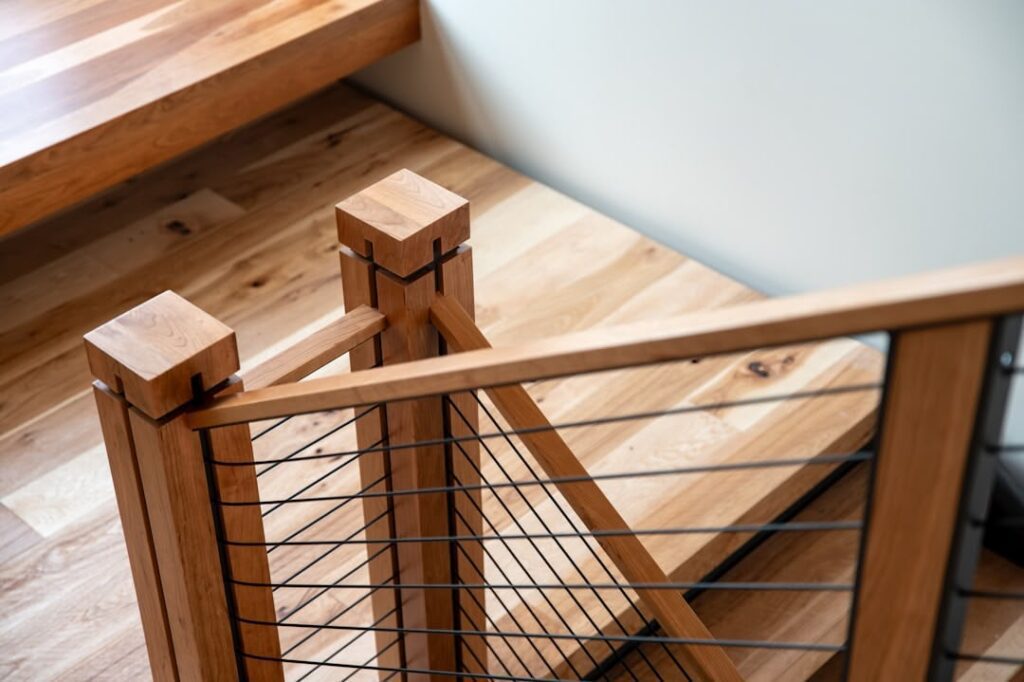
The influence of cherry wood on wine is notably subtle, contributing to a unique flavor profile. Unlike more traditional woods, cherry imparts a delicate sweetness and a hint of fruitiness, enhancing the wine’s complexity without overpowering it. Its impact on the aging process is primarily textural, offering a smooth mouthfeel while allowing the wine’s inherent characteristics to shine through. This gentle influence is particularly favorable for lighter wines, where preserving the grape’s original flavor is paramount. As winemakers explore alternative wood species, cherry wood presents a promising avenue for innovation in wine aging, providing both aesthetic and sensory benefits.
Chestnut: An Oak Alternative
In the realm of cooperage, chestnut is emerging as a viable alternative to the traditionally favored oak. Both woods share certain characteristics, but chestnut offers unique advantages and some limitations that are important to consider. Below is a comparison of their properties:
| Property | Chestnut | Oak |
|---|---|---|
| Durability | Moderate | High |
| Workability | Good | Excellent |
| Tannin Content | Low | High |
| Flavor Influence | Subtle | Pronounced |
| Cost | Lower | Higher |
Chestnut’s lower tannin content makes it a suitable option for winemakers aiming for a more subtle influence on wine flavor, contrasting with oak’s robust impact. This wood also offers good workability, which can facilitate barrel production. However, its moderate durability may not match oak’s longevity, requiring careful consideration when used in cooperage. Despite these differences, the lower cost of chestnut presents an economic benefit, making it an attractive choice for some producers. As the wine industry continues to explore diversification, chestnut stands out as a sustainable and cost-effective alternative to oak, offering new possibilities for wine aging.
Exploring Acacia Wood
Acacia wood, particularly black locust (Robinia pseudoacacia), is garnering attention in the cooperage industry due to its notable characteristics. Renowned for its durability and rot resistance, this wood is well-suited for applications that require long-lasting materials. Black locust is among the strongest domestic hardwoods, boasting a Janka hardness of 1,700 lbf. Its aesthetic appeal, ranging from pale greenish-yellow to russet brown as it ages, adds a distinctive visual element to barrels and other cooperage products. Despite being challenging to machine due to its density, it excels in lathe turning and steam bending, which are vital for crafting cooperage with precise shapes and seals.

In the realm of wine aging, acacia wood offers intriguing benefits. Its minimal influence on aroma and flavor allows the intrinsic qualities of the wine to remain at the forefront, making it a preferred choice for certain varietals. Winemakers like Tim Bell from Dry Creek Vineyard and Matt Crafton from Chateau Montelena Winery have adopted acacia barrels to enhance the textural aspects of wines like Sauvignon Blanc. This use underscores acacia’s potential to contribute subtle complexity to the wine, focusing on mouthfeel rather than overshadowing the grape’s inherent characteristics.
Environmental Impact of Alternative Woods
The sustainability of alternative wood sources plays a critical role in addressing environmental challenges within the cooperage industry. By adhering to principles of sustainable wood sourcing, such as responsible harvesting and processing, we can ensure the long-term health of forests and biodiversity. For instance, adopting species like false acacia not only aids in soil stabilization and erosion control but also enhances soil fertility through its nitrogen-fixing abilities. The economic benefits are equally promising, as these practices support local communities by providing a stable supply of resources without overexploitation. Recognizing certifications like FSC or PEFC further assures that these woods come from responsibly managed forests, fostering ecological balance and community well-being.

When comparing the carbon footprint of alternative woods to traditional options, it is essential to consider the lifecycle of each wood species. Although specific data on carbon emissions related to winemaking woods is limited, the general principle remains that sustainably sourced wood can contribute to climate change mitigation by enhancing carbon absorption. While traditional woods have been more extensively studied, emerging alternative species offer an opportunity to refine these practices, potentially reducing overall environmental impact through innovative sourcing and processing techniques.
Economic Considerations
The economic landscape of cooperage is significantly influenced by the cost dynamics between traditional oak barrels and alternative wood options. Traditional oak barrels, renowned for their unparalleled flavor complexity, present a substantial financial commitment due to their high upfront costs and maintenance requirements. This can pose a substantial burden for small-scale producers. In contrast, oak alternatives such as chips, cubes, and staves offer a more viable economic solution, being both affordable and space-efficient. These alternatives reduce the need for extensive storage facilities and maintenance, thereby lowering overhead costs while still allowing producers to infuse their products with oak-influenced flavors.

Current market trends underscore a growing demand for alternative wood barrels, driven by several factors. The global wooden barrel market, valued at USD 4.3 billion in 2023, is anticipated to grow at a CAGR of 5.8%, reaching USD 7.56 billion by 2033. This surge is fueled by the expansion of the alcoholic beverages industry and the rising popularity of craft beers, which rely heavily on wooden barrels. North America and Europe lead in market share, driven by a robust wine market and numerous manufacturers. As the demand for innovative packaging solutions grows, particularly in developing regions, alternative wood barrels are set to play a pivotal role in catering to these evolving market needs.
Challenges with New Wood Species
The introduction of alternative wood species in winemaking presents significant challenges in achieving consistency in wine flavor. Each wood species contributes unique compounds that can drastically alter a wine’s profile, leading to potential flavor variations across different batches. For instance, while cherry wood imparts spicy, clove-like notes, acacia is predominantly neutral but accelerates oxygen exchange. Such variability necessitates meticulous experimentation and a profound understanding of how each wood interacts with specific wine types, ensuring that the natural flavors are complemented rather than overpowered.

In addition to flavor consistency, sourcing and quality control of alternative wood barrels pose considerable hurdles. High defect rates and inconsistencies from suppliers can complicate sourcing efforts, prompting winemakers to seek alternative suppliers or negotiate better terms. Moreover, maintaining rigorous quality assessments is crucial to ensure barrels enhance desired flavors without compromising cost efficiency. Sustainability considerations further influence long-term supplier selection, impacting both sourcing strategies and consumer perceptions. These challenges highlight the need for innovation and diligence in managing the complexities associated with new wood species in cooperage.
Future Outlook of Cooperage Diversification
The potential for increased adoption of alternative woods in cooperage is becoming more pronounced as winemakers seek to diversify their aging techniques. This shift is driven by environmental concerns and the desire for unique flavor profiles that traditional woods, such as oak, may not offer. As regulatory landscapes evolve, allowing for more flexibility in wood selection, winemakers are likely to embrace species like false acacia and cherry wood to enhance their product offerings. These alternative woods can provide distinctive characteristics to wines, appealing to a growing market segment interested in innovative and sustainable wine production methods.

Innovations in cooperage technology are also playing a crucial role in this diversification. Advanced methods such as precision toasting and the use of alternative wood products like chips and staves are enabling winemakers to experiment with different wood species while maintaining control over flavor integration. Additionally, improved quality control measures and sustainable sourcing strategies are being developed to ensure consistency and reliability in wine production. These technological advancements are paving the way for a more dynamic and diverse cooperage industry, offering both challenges and opportunities as winemakers adapt to these new possibilities.

Conclusion
The exploration of alternative wood species in cooperage reveals a nuanced landscape where innovation meets tradition. As winemakers navigate regulatory hurdles and flavor integration challenges, the potential for diversification is evident. The use of woods like false acacia and cherry offers exciting flavor possibilities but requires careful quality control and monitoring to ensure consistency. Environmental and economic considerations further drive the adoption of these alternatives, while consumer reception remains mixed. Ultimately, the balance between embracing new materials and honoring traditional practices will define the future of cooperage, offering both challenges and opportunities for the wine industry.

Frequently Asked Questions
What are alternative wood species in cooperage?
Alternative wood species refer to non-traditional types of wood, such as false acacia, cherry, and chestnut, used in the aging of wine. These woods offer unique flavors and aging characteristics compared to traditional oak.
Why are winemakers exploring alternative woods?
The exploration of alternative woods is driven by environmental challenges, such as the impact of climate change on oak supply, and evolving winemaker preferences. These species provide diverse flavor profiles and potential sustainability benefits.
Do alternative woods affect the flavor of wine?
Yes, different woods impart distinct flavors to wine. For example, cherry wood can add spicy notes, while acacia is known for its neutral flavor but faster oxygen exchange. This diversity in flavor can lead to unique wine experiences.
Are there misconceptions about using alternative woods?
A common misconception is that alternative woods always lead to unpredictable flavors. However, with careful monitoring and adjusting, winemakers can achieve consistent results. Another misconception is that these woods are always more sustainable, yet sustainability depends on sourcing practices.


