The Ancient Art Being Butchered in Modern Cellars
The difference between transcendent wine and vinegar often comes down to what happens during those crucial days of fermentation. Yet across countless home cellars and even established wineries, the same devastating mistakes repeat themselves generation after generation, silently corrupting what could have been extraordinary vintages.
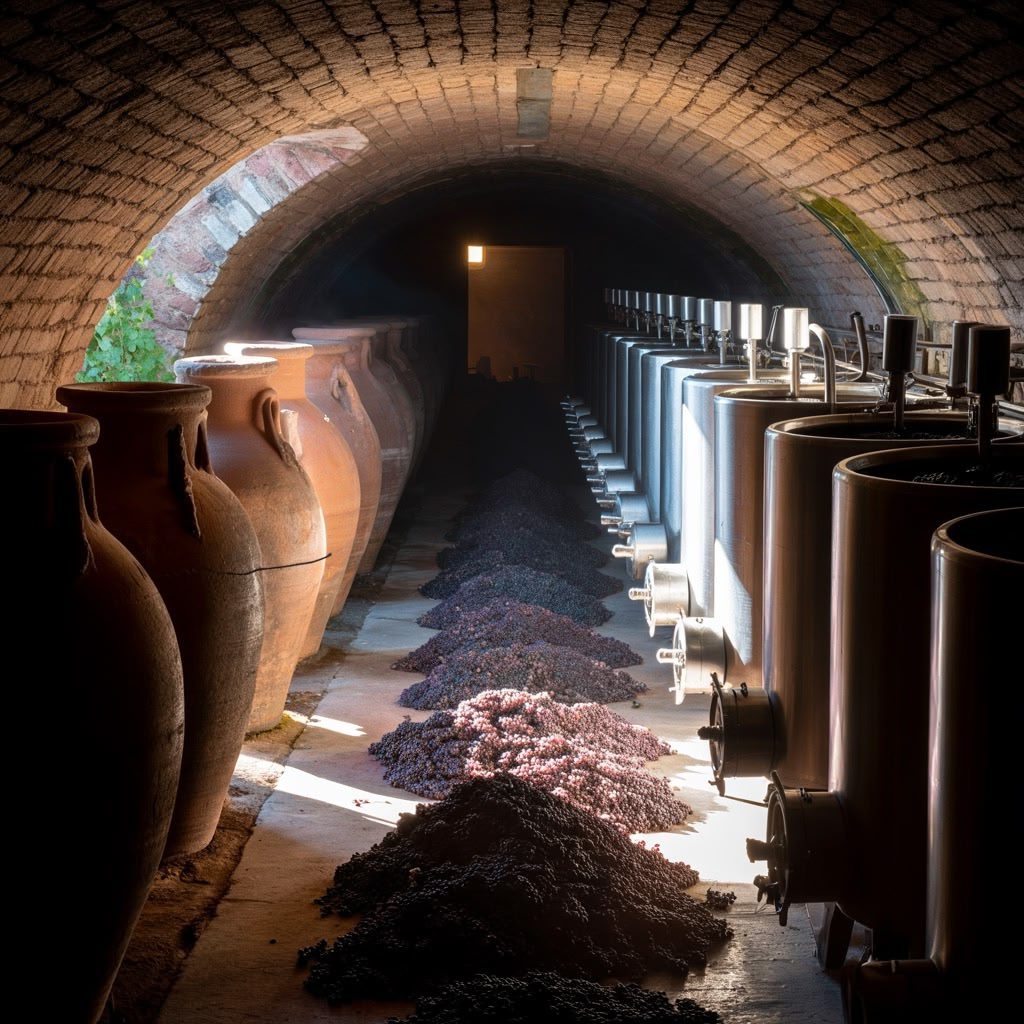
Fermentation isn’t just a chemical process—it’s the alchemical transformation at the heart of winemaking that has been refined over thousands of years. The Romans understood this metamorphosis so intimately that their techniques, when properly applied, still outperform many modern approaches. The fundamental principles haven’t changed since wine was stored in amphora and sealed with pine resin.
What has changed is our understanding of why these ancient methods worked so effectively. Through generations of trial and error, traditional winemakers discovered techniques that modern science has only recently explained. The wisdom accumulated through centuries of observation allows us to understand not just what works, but why it works.
Yet despite all this knowledge being available, the same critical errors plague fermentation rooms worldwide. These aren’t minor imperfections that slightly diminish quality—they’re catastrophic mistakes that can render months of careful cultivation worthless. The tragedy is that most could be avoided with knowledge passed down through generations of master vintners.
Let’s explore these fatal fermentation flaws and how to correct them using wisdom that spans millennia of winemaking tradition.
Fatal Mistake #1: Surrendering Control of Fermentation Temperature
Temperature isn’t just a factor in fermentation—it’s the conductor of the entire symphony. When temperature runs wild during fermentation, it creates a cascade of problems that can’t be undone. The most devastating consequence is when fermentation temperatures spike too high, creating a harsh, alcoholic profile that lacks complexity and finesse.
This temperature surrender happens in two primary ways. First, many winemakers simply lack proper monitoring systems, checking ambient room temperature rather than the actual temperature inside the fermenting must. Second, even those who monitor correctly often lack appropriate intervention systems when temperatures begin to climb.
The Romans understood temperature control intimately, despite lacking modern thermometers. They built specialized fermentation rooms partially underground, where temperatures naturally stabilized. They used cold water circulation around terra cotta vessels and positioned fermentation containers strategically to maintain ideal conditions.
The solution combines ancient wisdom with modern precision. Installing proper temperature monitoring probes directly in the fermenting must provides real-time data on what’s actually happening. For smaller batches, consider the traditional method of partial submersion in water baths, which creates natural temperature regulation. For larger operations, glycol-jacketed fermentation vessels offer precise control.
The ideal fermentation temperature ranges are narrower than many realize. For most red wines, maintaining 75-85°F (24-29°C) preserves aromatic compounds while allowing proper extraction. White wines generally require cooler fermentation between 55-65°F (13-18°C) to preserve their delicate flavor profiles. These ranges aren’t suggestions—they’re essential boundaries for quality winemaking.

Fatal Mistake #2: Treating All Yeasts as Equal Commodities
Perhaps no element of fermentation is more fundamentally misunderstood than yeast selection. The living organism that transforms your grape juice into wine isn’t merely a functional ingredient—it’s the primary architect of flavor development. Yet countless winemakers treat yeast as an afterthought, selecting strains based on convenience or cost rather than compatibility with their specific grape varieties and desired outcomes.
This commodification of yeast leads to profound mismatches. Using a yeast strain developed for Chardonnay in your Cabernet fermentation is like asking a ballet dancer to perform hip-hop—they might make it through the performance, but the result will lack authenticity and proper expression.
Traditional winemakers understood yeast intimately through observation, even before they knew what microorganisms were. They practiced careful selection of “mother vines” and maintained fermentation vessels that harbored ideal native yeasts. They observed which vineyard sections consistently produced superior fermentations and harvested from these areas first to initiate fermentation for the entire vintage.
The solution combines respect for tradition with modern microbiological understanding. First, winemakers should view yeast selection as perhaps the most crucial decision in their process, researching compatibility with specific grape varieties, desired flavor profiles, alcohol tolerance, and fermentation behavior. Second, consider the profound benefits of indigenous yeast fermentation, which expresses the true terroir of your vineyard—but only when properly managed with appropriate protocols for monitoring and intervention.
For those seeking balance between tradition and reliability, consider sequential inoculation—beginning with indigenous yeasts for complexity, then introducing selected strains to ensure complete fermentation. This hybrid approach offers both unique character and fermentation security.
Fatal Mistake #3: Mismanaging Oxygen Exposure
Oxygen is both essential ally and mortal enemy in winemaking, with the difference often being mere timing and quantity. Many winemakers fall into two opposing traps: either allowing excessive oxygen during later fermentation stages, creating oxidized flavors and premature aging, or restricting necessary oxygen during early fermentation, leading to stuck fermentations and reduced aromatic development.
This oxygen paradox creates a narrow path to walk. Early fermentation benefits tremendously from controlled oxygen exposure, which allows yeast to reproduce effectively and build strong cell walls that can withstand rising alcohol levels. Later fermentation and aging generally require protection from oxygen to preserve freshness and fruit character.
Ancient winemakers managed this balance through careful observation and timing. Roman winemakers used techniques like regular but gentle “punching down” of the cap in red wine fermentation, providing necessary oxygen without excessive exposure. They sealed their amphorae with specific materials that allowed minimal oxygen transfer during aging—a technique modern science has validated as ideal for long-term development.
The modern solution requires understanding specific oxygen needs at each phase. During the critical first 24-72 hours of fermentation, controlled oxygen exposure through gentle pump-overs (for reds) or careful racking (for whites) supports healthy yeast reproduction. As sugar levels drop below 10 Brix, oxygen management should become increasingly protective.
Implementing deliberate oxygen protocols based on fermentation stage rather than calendar timing allows for appropriate exposure when beneficial while preventing damage when vulnerable. This approach requires regular monitoring of both sensory characteristics and measurable parameters like dissolved oxygen levels.

Fatal Mistake #4: Ignoring the Crucial pH Balance
Perhaps no chemical parameter is more frequently misunderstood or neglected than pH in fermentation. While many winemakers diligently measure sugar content and temperature, pH often remains unmeasured or its importance unappreciated. This oversight is particularly dangerous because pH affects virtually every aspect of fermentation success—from microbial stability to color extraction to aging potential.
The consequences of pH neglect manifest in multiple ways. Too high a pH creates an environment where spoilage organisms thrive, requiring excessive sulfur additions that mask aromatic complexity. Too low a pH can create harsh, overly acidic wines that lack harmony. Neither extreme produces exceptional wine.
Traditional winemakers developed ingenious methods to manage pH despite lacking modern measurement tools. They carefully blended juice from different vineyard sections, recognizing that some areas consistently produced more acidic grapes. They used timing of harvest to balance ripeness with natural acid retention. Some regions even developed techniques like adding small amounts of gypsum to subtly adjust acidity.
The solution begins with regular monitoring of pH throughout fermentation, not just at the beginning and end. Invest in quality pH measurement equipment and calibrate it regularly. Understand the ideal pH ranges for your specific wine style—generally between 3.3 and 3.6 for most table wines, with slight variations based on variety and regional style.
When intervention is necessary, consider traditional approaches before turning to modern chemicals. Blending juice from different vineyard sections or harvest timings can naturally adjust pH. For more significant corrections, tartaric acid additions remain the most wine-compatible approach, though timing these additions properly is crucial—generally best before fermentation begins.
Fatal Mistake #5: Rushing the Natural Fermentation Timeline
In our efficiency-obsessed era, the ancient rhythms of fermentation often face artificial acceleration. Many winemakers—whether due to equipment constraints, production schedules, or simple impatience—rush fermentation through excessive temperatures, aggressive yeast strains, or premature processing. This truncated timeline strips away the subtle complexity that only develops through proper fermentation duration.
Accelerated fermentations typically produce wines with less aromatic complexity, harsher tannins, and disjointed flavor profiles. The yeast simply hasn’t had time to complete secondary metabolic processes that contribute essential complexity compounds. It’s like pulling a loaf of bread from the oven before it’s fully baked—no amount of later intervention can replace what was lost in the rush.
Traditional winemaking embraced the natural pace of fermentation, allowing each stage to unfold completely before proceeding to the next. Roman winemakers observed that wines from slower, cooler fermentations consistently outperformed quick fermentations in both flavor development and aging potential. They adjusted their techniques to extend rather than shorten the process.
The solution requires recalibrating expectations around fermentation timing. For red wines, complete fermentation typically requires 10-21 days depending on variety, temperature, and desired extraction. White wines generally complete primary fermentation in 7-14 days when conducted properly. These timeframes aren’t suggestions—they’re biological necessities for complete flavor development.
Implement fermentation scheduling that respects these natural timelines. Lower fermentation temperatures slightly to extend duration when possible. Select yeast strains known for complete but measured fermentation rates rather than the fastest available options. The patience invested during these crucial weeks pays dividends for the entire life of the wine.

Fatal Mistake #6: Neglecting Nutrient Management
The invisible foundation of successful fermentation lies in proper yeast nutrition, yet this critical aspect often receives minimal attention. Many winemakers either blindly add standard nutrient packages without testing actual needs, or worse, assume grapes naturally contain everything yeast requires. Both approaches frequently lead to problematic fermentations ranging from subtle aromatic deficiencies to catastrophic stuck fermentations.
Inadequate nutrient management typically manifests in three primary problems. First, yeast may struggle to complete fermentation, creating wines with residual sugar that become microbiologically unstable. Second, nutrient-stressed yeast produce hydrogen sulfide and other reduced compounds, creating stubborn off-aromas. Third, proper flavor development requires specific amino acids and micronutrients that may be missing in modern mono-varietal fermentations.
Traditional winemakers discovered effective nutrient management techniques through generations of observation. Many traditional practices like fermenting with partial stems or briefly fermenting on lees actually provide natural nutrient sources. Regional traditions of adding small amounts of dried fruits or even certain herbs often unknowingly addressed specific nutrient deficiencies.
The modern solution combines traditional wisdom with precise testing. Before fermentation, analyze your must for Yeast Assimilable Nitrogen (YAN) to understand baseline nutrient status. Different grape varieties and growing conditions create dramatically different nutritional profiles. Based on these measurements, develop a staggered nutrient addition protocol that mimics natural nutrient availability patterns.
Timing these additions proves as important as the nutrients themselves. Frontloading all nutrients at the beginning of fermentation—a common mistake—creates rapid initial fermentation but leaves yeast starving during the crucial final stages. Instead, provide approximately one-third of nutrients at inoculation, another third at around 10% alcohol development, and the final portion as fermentation begins to slow. This approach mirrors how nutrients would naturally become available in traditional mixed fermentations.
Fatal Mistake #7: Failing to Develop a Complete Sensory Understanding
The final and perhaps most devastating mistake transcends technical parameters—it’s the failure to develop a holistic sensory understanding of fermentation. Many winemakers have become so dependent on measurement tools and laboratory analysis that they’ve neglected developing their most valuable instrument: their own sensory perception. They know their numbers but don’t truly know their wine.
This over-reliance on instruments creates disconnect between technical correctness and actual quality. A fermentation can meet all the proper parameters on paper while still producing wine that lacks harmony, complexity, and the ineffable quality that elevates great wine above merely correct wine. Numbers tell you if a fermentation is proceeding—only your senses tell you if it’s proceeding beautifully.
Traditional master winemakers relied almost exclusively on sensory evaluation, developing extraordinary sensitivity to the subtle aromatic and textural changes throughout fermentation. They could detect the first hints of reduction before any instrument would register a problem. They recognized the specific aromatic signatures of perfect phenolic extraction that indicated ideal pressing time. This sensory mastery allowed intervention at precisely the right moment, often days before instruments would indicate any issue.
The solution requires deliberate sensory development alongside technical knowledge. Establish a consistent protocol for sensory evaluation during fermentation, including not just aroma and taste but also visual and textural assessment. Document these observations alongside your technical measurements to begin recognizing patterns between what you perceive and what your instruments measure.
Most importantly, taste fermentations daily, preferably at the same time each day. Note specific aromatic progression, textural development, and how these sensory elements correlate with measurable parameters. Over time, this practice develops an intuitive understanding that transcends technical knowledge—the true mark of a master winemaker.
A Return to Mastery Through Traditional Wisdom
The path to exceptional winemaking doesn’t require discarding modern understanding—it demands integrating it with traditional wisdom that has proven itself over centuries. The Romans didn’t have refractometers or pH meters, yet they produced wines of such quality that they were celebrated in poetry and preserved for decades. Their intimate understanding of the fermentation process came through careful observation and generational knowledge transmission.
By addressing these seven fatal fermentation mistakes, you begin the journey toward winemaking mastery that honors both science and tradition. Temperature control creates the environment where transformation can properly unfold. Thoughtful yeast selection provides the living architects of flavor development. Proper oxygen management supports the process while protecting its delicate results. pH balance creates the foundation for microbial stability and aging potential. Respecting natural timelines allows complete expression of complexity. Nutrient management supports the living organisms doing the essential work. And developing sensory mastery connects technical understanding with artistic expression.
True mastery in winemaking comes not from technical perfection alone, but from developing an intuitive relationship with the living process of fermentation. It requires both the precision of modern understanding and the wisdom of traditional approaches that have stood the test of time.
The question isn’t whether you’ll make mistakes in your winemaking journey—all masters have made countless errors on their path to excellence. The question is whether you’ll learn from the mistakes of generations before you, avoiding these fatal fermentation errors that have ruined countless potential masterpieces.
The ancient wisdom of traditional winemaking awaits those willing to listen, observe, and practice with patience. In doing so, you join a lineage of craftspeople stretching back millennia—those who understood that great wine isn’t manufactured but rather guided into existence through respectful partnership with natural processes.
To deepen your understanding of these traditional fermentation approaches and learn specific techniques for implementing them in your winemaking, consider joining our upcoming virtual masterclass on traditional fermentation methods. Together, we’ll explore the intersection of ancient wisdom and modern understanding that creates truly exceptional wines.


