Imagine tasting a wine that hasn’t touched human lips for over a thousand years. Picture holding a glass filled with liquid history, each sip connecting you directly to the dining tables of ancient Rome. This isn’t fantasy—it’s the remarkable reality that modern viticulturists are creating through the painstaking revival of lost Roman wine grape varieties.
The ancient Romans understood wine in ways that modern civilization is only beginning to rediscover. Their sophisticated palates distinguished between hundreds of grape varietals, each with its own terroir, cultivation methods, and cultural significance. Yet somewhere between the fall of the empire and today’s global wine industry, many of these precious varietals simply vanished from existence.
What we’re witnessing now represents one of the most intriguing intersections of archaeology, botany, and winemaking—a detective story written in ancient texts, archaeological fragments, and the patient work of cultivators determined to resurrect flavors lost to time.
The Archaeological Detective Work Behind Ancient Roman Wine Varieties
The journey to revive these lost treasures begins not in the vineyard, but in dusty archives and archaeological sites across the Mediterranean. Ancient Roman writers like Pliny the Elder and Columella left detailed accounts of winemaking practices, grape varieties, and regional preferences that serve as roadmaps for modern researchers.
These historical texts reveal a wine culture far more sophisticated than many realize. Roman vintners categorized grapes not just by flavor, but by their suitability for different occasions, their medicinal properties, and even their social significance. Certain varieties were reserved for religious ceremonies, while others were considered appropriate for daily consumption or special celebrations.
Archaeological evidence adds another layer to this puzzle. Excavations throughout the former Roman territories continue to uncover amphora fragments, pressing equipment, and even preserved grape seeds that provide clues about cultivation practices and variety selection. Each discovery represents a piece of the larger puzzle—a glimpse into a wine culture that valued diversity and terroir expression long before these concepts became modern wine industry buzzwords.
The challenge lies in translating ancient descriptions into actionable cultivation knowledge. When Roman writers described a grape as producing “wine with the color of dark amber and the aroma of mountain herbs,” modern viticulturists must interpret these poetic descriptions through the lens of contemporary understanding about grape characteristics and winemaking processes.
Bridging Ancient Wisdom with Modern Science
This translation process requires a unique blend of historical scholarship and agricultural expertise. Modern cultivators studying these ancient texts must consider how language, climate, and cultivation techniques have evolved over centuries. What the Romans considered “sweet” might differ significantly from modern palate preferences, and their descriptive terminology often carried cultural meanings that have been lost to time.
The detective work extends beyond written records to include genetic archaeology—the study of how grape varieties evolved, migrated, and adapted across different regions. This scientific approach helps researchers trace the genetic lineage of modern grapes back to their ancient ancestors, identifying varieties that might be direct descendants of Roman cultivars.

The Trial-and-Error Journey of Heritage Wine Cultivation
Once potential varieties are identified through historical research, the real adventure begins in the vineyard. Reviving ancient grape varietals isn’t simply a matter of planting and harvesting—it requires understanding cultivation methods, soil preferences, and climate adaptations that have been forgotten for centuries.
Picture the patience required for this endeavor. Grapevines take years to establish, and determining the optimal cultivation approach for a “new” ancient variety often requires multiple growing seasons of careful observation and adjustment. Each vintage becomes an experiment, teaching cultivators about the grape’s response to different pruning techniques, irrigation methods, and harvest timing.
The process demands a delicate balance between respecting ancient methods and adapting to modern realities. While Roman viticulturists had access to specific microclimates and soil conditions, today’s cultivators must work within contemporary agricultural constraints while attempting to honor traditional approaches.
This revival process also requires cultivators to develop new palate references. When working with grape varieties that have been absent from the wine world for centuries, there are no modern benchmarks for quality or optimal expression. Each harvest teaches valuable lessons about the grape’s potential, its preferred growing conditions, and its unique characteristics.
Understanding Ancient Cultivation Wisdom
Roman agricultural writers provided surprisingly detailed guidance about vineyard management, from optimal planting densities to harvest timing and storage techniques. These ancient insights often prove remarkably relevant to modern sustainable viticulture practices. The Romans understood concepts like biodiversity in the vineyard, natural pest management, and soil health centuries before these became contemporary environmental concerns.
Modern cultivators working with these heritage varieties often find themselves rediscovering techniques that mainstream viticulture had abandoned in favor of industrial efficiency. Ancient Roman methods emphasized working with natural cycles, understanding local ecosystem relationships, and maintaining genetic diversity—principles that align perfectly with today’s artisanal winemaking philosophy.

Discovering Unique Flavor Profiles of Ancient Grape Varietals
Perhaps the most exciting aspect of this revival movement lies in the flavor discoveries awaiting modern palates. Ancient Roman wine varieties offer taste experiences that simply don’t exist in contemporary wine culture, having evolved separately from the genetic lines that produced today’s familiar varietals.
These rediscovered grapes often exhibit flavor characteristics that challenge modern wine categories. Some ancient varieties produce wines with herbal complexity that reflects their wild origins, while others offer fruit profiles that seem entirely foreign to contemporary wine drinkers. The Romans cultivated grapes for flavor diversity that went far beyond the relatively narrow range of characteristics found in most modern commercial wines.
The tasting experience of these revival wines often evokes a sense of historical connection that goes beyond mere flavor appreciation. Wine enthusiasts describe feeling transported to ancient dining experiences, imagining the Roman banquets where these same flavors once delighted sophisticated palates.
What makes these ancient varieties particularly fascinating is their expression of terroir in ways that differ significantly from modern grapes. Having evolved in specific Mediterranean microclimates over centuries, these varieties developed unique relationships with their growing environments that modern hybrid varieties often lack.
Flavor Characteristics That Challenge Modern Expectations
Ancient Roman wine varieties frequently exhibit what modern tasters might consider unusual characteristics—higher acidity levels, more pronounced tannin structures, or aromatic profiles that combine fruit, herb, and mineral elements in unexpected ways. These differences reflect both genetic distinctiveness and the influence of ancient winemaking techniques that prioritized preservation and complexity over immediate palatability.
The revival of these varieties also challenges contemporary assumptions about optimal grape characteristics. Many ancient Roman grapes were selected for qualities that modern viticulture might consider disadvantageous—lower yields, irregular ripening, or unusual appearance—but which contributed to distinctive flavor profiles valued by ancient wine cultures.
The Cultural Heritage Preserved Through Traditional Wine Methods
Reviving ancient Roman wine varieties represents more than agricultural curiosity—it’s an act of cultural preservation that maintains connections to historical winemaking traditions. Each successfully revived varietal carries forward centuries of accumulated wisdom about grape cultivation, winemaking techniques, and cultural practices surrounding wine appreciation.
This preservation effort extends beyond the grapes themselves to include traditional winemaking methods that accompanied these varieties. Ancient Roman winemakers developed specific techniques for different grape types, understanding how various varieties responded to different fermentation approaches, aging methods, and storage practices.
The cultural significance of these revival efforts resonates particularly strongly in regions where Roman influence shaped local winemaking traditions. Modern viticulturists working with ancient varieties often discover connections between contemporary regional practices and techniques described in Roman agricultural texts, suggesting unbroken traditions that survived even when the original grape varieties disappeared.
These projects also demonstrate the deep relationship between wine and cultural identity. The Romans understood wine as more than an agricultural product—it represented regional character, social status, and cultural sophistication. Reviving these varieties helps modern wine culture reconnect with these broader meanings and appreciate wine’s role in cultural continuity.
Honoring Ancient Winemaking Philosophy
Roman winemaking philosophy emphasized harmony between human intervention and natural processes, a principle that resonates strongly with contemporary artisanal wine movements. Ancient Roman vintners understood that great wine required patience, observation, and respect for the grape’s inherent characteristics—values that align perfectly with modern craft winemaking approaches.
The revival of ancient varieties also preserves knowledge about sustainable viticulture practices that the Romans developed through centuries of experience. These traditional methods often prove more environmentally sound than industrial approaches, offering insights that benefit modern sustainable agriculture efforts.

Modern Innovation Meets Ancient Tradition
The most successful ancient variety revival projects demonstrate how modern scientific knowledge can enhance traditional methods without compromising their essential character. Contemporary viticulturists bring precision tools and analytical capabilities that allow them to understand ancient varieties with unprecedented detail while respecting the wisdom embedded in traditional cultivation approaches.
Modern soil analysis, climate monitoring, and genetic testing provide insights that help cultivators optimize growing conditions for ancient varieties while maintaining their authentic characteristics. These tools enable a deeper understanding of why certain traditional practices were effective, allowing modern cultivators to adapt ancient wisdom to contemporary growing conditions.
The combination of ancient wisdom and modern capability creates opportunities for innovation that neither approach could achieve alone. Traditional knowledge provides the foundation for understanding each variety’s essential character, while modern tools enable precise cultivation adjustments that maximize quality and sustainability.
This fusion approach also addresses practical challenges that ancient cultivators couldn’t solve. Modern pest management, disease prevention, and climate adaptation techniques help ensure the survival of revived varieties while preserving their historical authenticity.
Technology in Service of Tradition
Contemporary revival projects utilize advanced propagation techniques, genetic analysis, and precision agriculture methods to support ancient variety cultivation while maintaining respect for traditional approaches. These technologies serve traditional goals—understanding each grape’s unique requirements and optimizing its expression—rather than replacing traditional wisdom with purely modern methods.
The integration of modern and ancient approaches also enables better documentation and preservation of revival efforts, ensuring that hard-won knowledge about ancient varieties won’t be lost again. Digital archives, genetic banks, and detailed cultivation records create permanent resources for future cultivators interested in continuing this preservation work.
The Future of Historical Viticulture
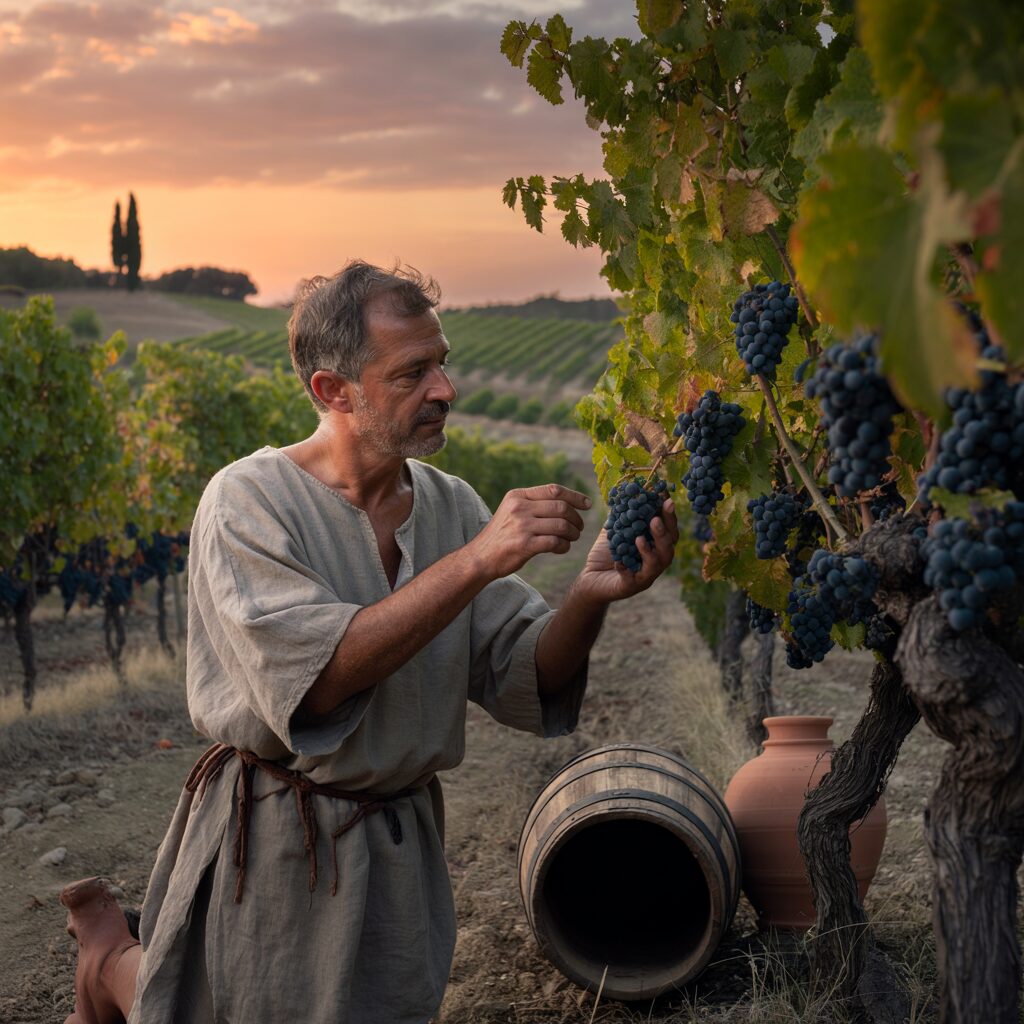
The revival of ancient Roman wine varieties represents just the beginning of a broader movement toward historical viticulture that honors wine’s cultural heritage while embracing innovation. This approach offers wine culture an opportunity to expand beyond the relatively narrow range of varieties that dominate contemporary markets, rediscovering the diversity that once characterized regional wine traditions.
Looking forward, the principles demonstrated by ancient variety revival projects—deep historical research, patient cultivation, respect for traditional methods, and integration with modern knowledge—provide a template for preserving other endangered wine varieties and traditional practices.
The success of these revival efforts also suggests possibilities for discovering and preserving wine traditions from other historical periods and cultures, creating opportunities for wine enthusiasts to experience flavor profiles and cultivation approaches that connect them directly to specific historical moments and cultural practices.
Perhaps most importantly, these projects demonstrate that wine culture benefits from maintaining connections to its historical roots while embracing innovation and adaptation. The ancient varieties being revived today offer modern wine culture both inspiration and practical knowledge that can inform contemporary approaches to sustainable viticulture and artisanal winemaking.
Expanding the Revival Movement
The principles successful in reviving Roman varieties can be applied to preserving and reviving wine traditions from other historical periods and geographic regions. This expansion of historical viticulture could eventually restore much of the genetic and cultural diversity that industrial wine production has displaced over recent centuries.
Future revival efforts will likely benefit from the documentation, techniques, and networks established by current ancient variety projects, creating a growing community of knowledge and resources dedicated to preserving wine’s historical heritage while adapting it for contemporary appreciation and sustainable cultivation.
Conclusion: Tasting Tomorrow’s Heritage Today
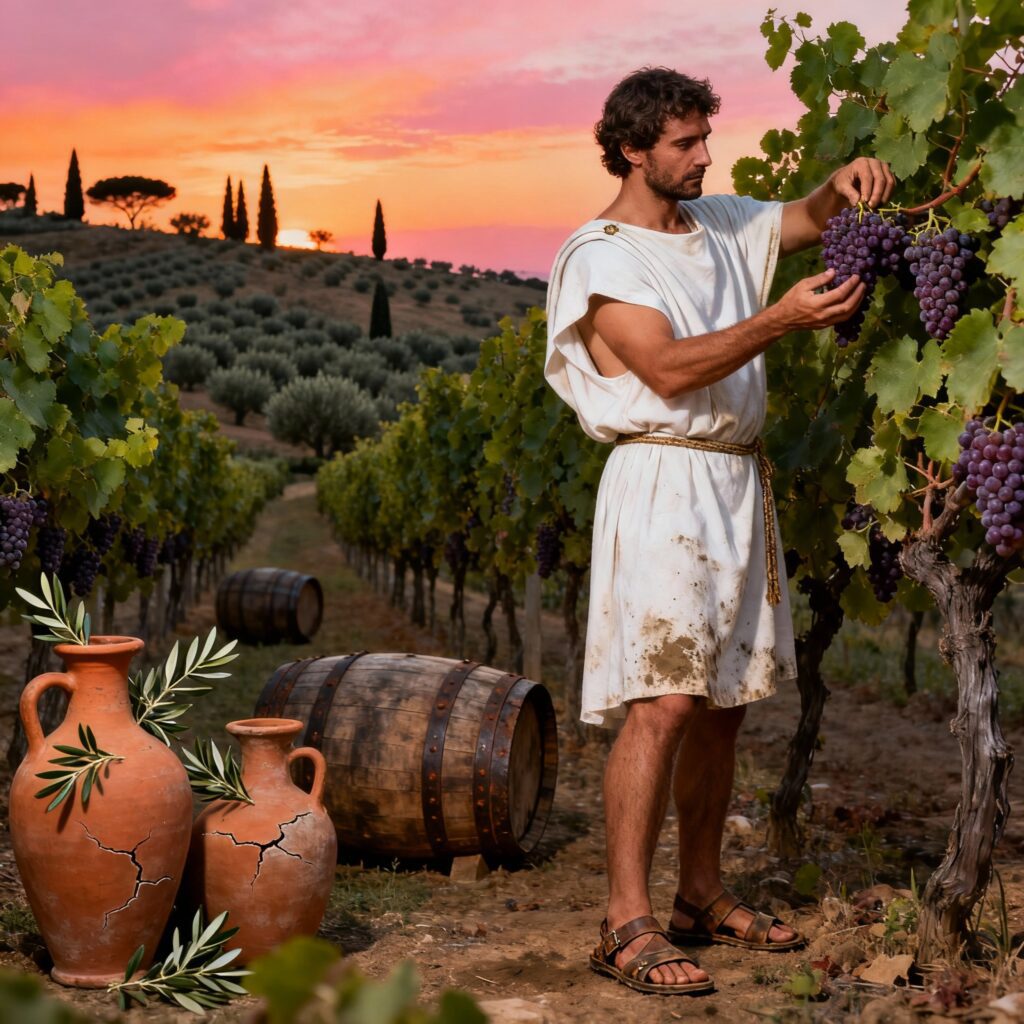
The revival of lost Roman wine varieties represents far more than an academic exercise or boutique agricultural project. It demonstrates wine culture’s capacity to honor its past while innovating for the future, creating unique experiences that connect modern enthusiasts directly to historical traditions and forgotten flavors.
These revival efforts embody the best aspects of contemporary craft culture—deep research, patient craftsmanship, respect for traditional knowledge, and commitment to preserving cultural heritage for future generations. They remind us that innovation doesn’t always mean creating something entirely new; sometimes the most meaningful innovation involves rediscovering and adapting wisdom from the past.
For wine enthusiasts, these ancient varieties offer opportunities to expand palate experiences beyond contemporary expectations while developing deeper appreciation for wine’s cultural significance and historical continuity. Each bottle represents centuries of accumulated knowledge, cultural tradition, and the dedicated work of modern cultivators committed to preserving liquid history.
The story of ancient Roman wine revival continues to unfold in vineyards around the world, where patient cultivators tend vines that carry forward flavors lost to time. Their work ensures that future generations will have opportunities to taste not just wine, but history itself—experiencing flavors that once graced the tables of ancient Rome while appreciating the dedication required to bring these lost treasures back to life.
As you consider your own wine journey, remember that each glass offers an opportunity to connect with tradition, support cultural preservation, and participate in the ongoing story of wine’s evolution. The ancient varieties being revived today represent just the beginning of wine culture’s rediscovery of its own rich heritage—heritage that continues to inform and inspire contemporary innovation while honoring the wisdom of those who came before.
What aspects of wine heritage most intrigue you? How might exploring historical varieties enhance your own appreciation for wine’s cultural significance and traditional craftsmanship?


