
Ancient Wisdom Meets Modern Bounty: The Timeless Rhythm of Summer Harvesting
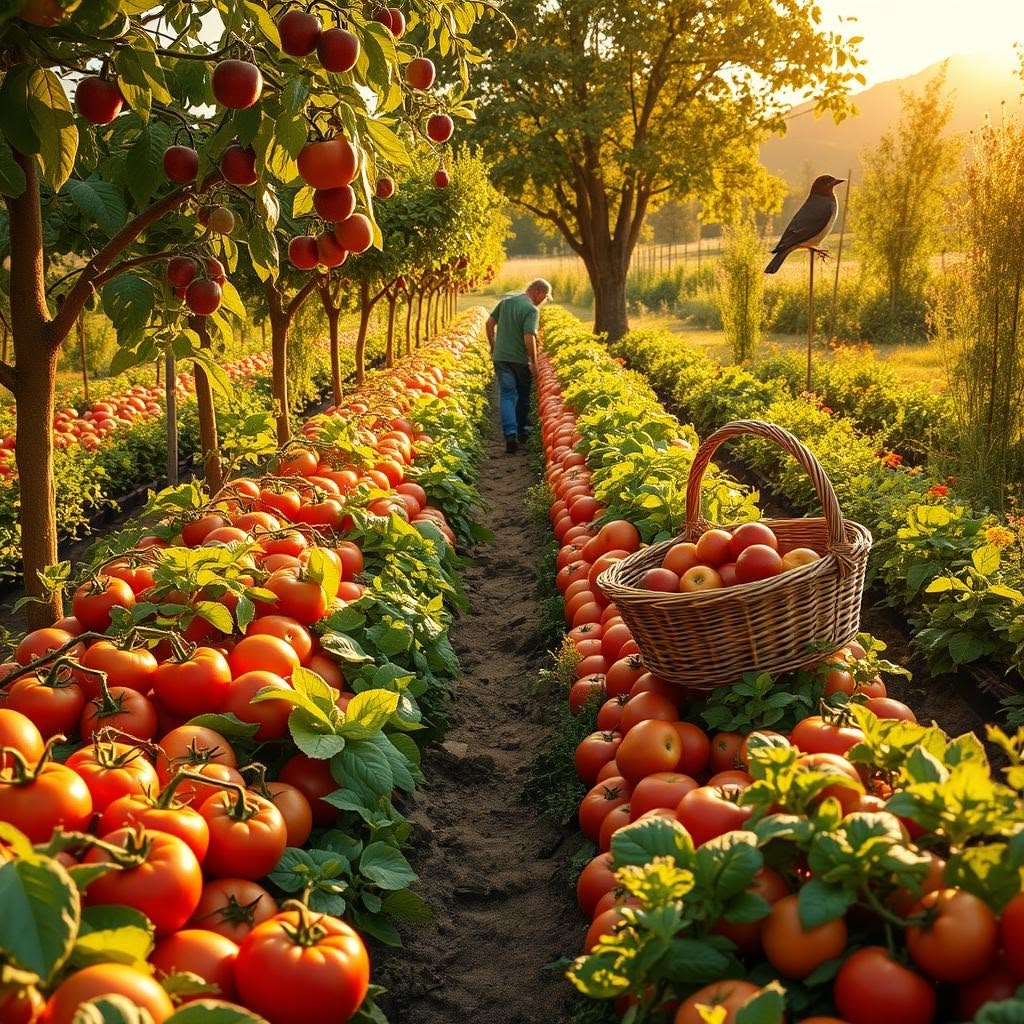
The morning dew still clings to leaves as the first golden rays of sunlight stretch across rows of ripening tomatoes. A gardener moves with purpose, basket in hand, knowing that this precise moment—when the morning is cool but the fruits are warmed just enough—represents the ideal harvesting window passed down through generations. This isn’t merely intuition at work; it’s the inheritance of agricultural knowledge that has sustained civilizations for millennia.
Summer harvesting isn’t simply about collecting whatever looks ripe. It’s about understanding the intricate dance between sun and soil, plant and season—knowledge that was once so essential it guided the very calendars by which people measured their lives. Today, as we face unprecedented climate fluctuations and seek more sustainable food solutions, this ancestral wisdom has never been more relevant.
The difference between struggling with unpredictable yields and enjoying consistent abundance often comes down to timing—knowing not just what to grow, but precisely when to harvest. The ancient Romans understood this so fundamentally that they built their agricultural systems around detailed seasonal observations, creating calendars that many modern farmers would find surprisingly applicable today. These weren’t just crude guesses but sophisticated systems born from generations of careful observation.
Whether you tend a small garden plot or manage extensive acreage, reconnecting with these cyclical patterns offers more than just improved harvests—it provides a profound sense of connection to the land and those who cultivated it before us. Let’s explore how traditional agricultural wisdom can transform your summer harvesting experience, creating not just better yields but a deeper relationship with the growing process itself.
Understanding Nature’s Calendar: The Foundation of Successful Harvesting
Long before digital reminders and smartphone weather apps, farmers relied on something far more sophisticated—a living calendar written in the natural world around them. This wasn’t merely about marking dates on a calendar but understanding the interconnected signals that plants, animals, and weather patterns provided about optimal harvesting times.
The ancient Romans developed one of history’s most sophisticated agricultural calendars, the Menologia Rustica. This wasn’t just a simple scheduling tool but a comprehensive system that integrated astronomical observations, weather patterns, and biological indicators. Far from being obsolete, many of these principles remain surprisingly relevant for today’s growers. The Roman calendar divided the agricultural year into approximately 45-day periods, each associated with specific farming activities aligned with natural cycles rather than arbitrary dates.
What made this approach so effective was its adaptability. Instead of rigid dates, traditional farmers learned to read environmental cues—what we now sometimes call phenology. When certain wildflowers bloomed, when particular birds nested, or how the oak leaves unfurled—these observations provided a nuanced understanding of seasonal progression that static calendars could never capture. This adaptive approach proves increasingly valuable as we navigate climate uncertainty.
Modern growers can integrate this wisdom by developing what might be called a “relationship-based” approach to timing. Rather than relying solely on calendar dates or even weather forecasts, successful harvesting comes from regular, attentive observation of your specific growing environment. The first appearance of lightning bugs, the arrival of certain migratory birds, or the blooming of specific local wildflowers can provide remarkably accurate indicators for optimal harvesting windows.
This approach transforms gardening from a series of tasks into an ongoing conversation with your local ecosystem. The rewards extend beyond better produce—they include a deepened connection to place and a more resilient growing system that can adapt to shifting weather patterns and climate conditions.
JP’s Heritage Tip: The Roman Weather Prediction System
Roman farmers developed sophisticated methods for predicting weather patterns critical to harvesting decisions. They observed that a red sky at sunset often preceded fair weather (a principle now backed by meteorological science regarding atmospheric particles). Similarly, they noted that when flowers and pine cones closed, rain was likely approaching. Try keeping a simple observation journal connecting these natural indicators with subsequent weather in your area—you might be surprised at the accuracy of these ancient forecasting techniques.

Summer’s Golden Hours: Optimal Harvesting Times for Peak Flavor and Nutrition
The moment of harvest represents the culmination of months of growth, yet many growers give surprisingly little thought to precisely when they collect their bounty. Traditional wisdom recognized that the timing within a day can be as important as the timing within a season. This knowledge wasn’t merely superstition but reflected a sophisticated understanding of plant physiology that modern science has largely confirmed.
Early morning harvesting—specifically the period just after dew has dried but before the full heat of day—offers distinct advantages for many summer crops. During these golden hours, plants have had the cool night to recover from heat stress while their sugar content remains high. Leafy greens harvested during this window typically remain crisp longer, while fruits tend to store better. The Romans considered morning harvesting essential for most crops, with specific exceptions for certain root vegetables and storage crops that benefited from afternoon collection.
Temperature plays a crucial role in harvest quality beyond just the time of day. Traditional farmers understood that harvesting during extreme heat could significantly reduce shelf life and nutrition. When summer temperatures soar above 85°F (29°C), plant tissues begin experiencing heat stress that continues even after harvest. The difference between harvesting at 75°F versus 90°F can mean days of additional storage life for sensitive crops like leafy greens and berries.
Moon phase harvesting represents another traditional practice experiencing renewed interest. While sometimes dismissed as folklore, research suggests potential connections between lunar cycles and plant moisture content. Traditionally, above-ground crops were harvested during the waxing moon when ascending energy supposedly enhanced their vitality, while root crops were collected during the waning moon. While scientific consensus remains mixed on lunar influences, many heritage farmers report noticeable quality differences when aligning harvests with these cycles.
Perhaps most importantly, traditional harvesting wisdom emphasized careful observation of each crop’s specific indicators of peak readiness. These weren’t one-size-fits-all rules but nuanced guidelines for each plant. Summer squash harvested young and tender serves different culinary purposes than the same variety allowed to develop fully for storage. Understanding these subtle distinctions allows the modern grower to maximize both flavor and functionality from their summer garden.
Crop-Specific Harvesting: The Summer Calendar
Summer offers the year’s greatest abundance and diversity, but this variety demands equally diverse harvesting approaches. Each crop carries its own signature of ripeness, optimal collection methods, and preservation possibilities. Traditional agricultural calendars recognized these distinctions with remarkable precision.
Tomatoes represent summer’s quintessential crop, yet many modern gardeners harvest them prematurely. Traditional wisdom held that tomatoes should develop full color on the vine, with harvest occurring when the fruit yields slightly to gentle pressure but before complete softening begins. This moment of perfect ripeness typically arrives in early to mid-morning after night temperatures have remained above 55°F (13°C) for several consecutive nights. The Roman agricultural calendar placed tomato harvesting in the period they called “aestas,” corresponding roughly to July in the Mediterranean climate, though the specific harvest window would adjust based on regional conditions.
Stone fruits—peaches, plums, apricots, and cherries—demand particularly careful timing. Heritage farmers looked beyond just color development to subtle aromatic changes and slight softening at the stem end. These fruits benefit dramatically from being allowed to fully ripen on the tree, as their sugar content can increase by as much as 30% during the final days of maturation. However, they must be harvested before birds and insects detect these same ripeness signals. Early morning harvesting proves essential for these delicate fruits, ideally when temperatures remain below 75°F (24°C).
Summer herbs present a different challenge. Traditional wisdom recognized that aromatic oils—the source of both flavor and medicinal properties—concentrate during specific windows. Basil, for instance, reaches peak aromatic potency just before flowering begins, typically in early morning after several consecutive sunny days have allowed oil concentration to build. The ancient calendar recommended harvesting culinary herbs after dew had dried but before 10 AM, particularly on days following a full moon when oil content was believed to reach its zenith.
Root vegetables like summer carrots, early potatoes, and beets follow contrary logic. Traditional farmers often selected slightly cooler days or even light rainfall periods for root harvesting, recognizing that moist soil eased removal and reduced damage. The Roman agricultural texts suggest harvesting root crops during the waning moon, believing this lunar phase corresponding to descending energy enhanced storage potential—an interesting correlation with modern findings about slight variations in moisture content throughout lunar cycles.
Summer greens require perhaps the most precise timing of all. The difference between sweet, tender lettuce and bitter, bolting failure can be measured in days or even hours during intense summer heat. Traditional growers harvested greens not just in early morning but often selected slightly overcast days when plants experienced minimal stress. Many employed companion indicators—harvesting lettuce, for instance, at precisely the moment when nearby calendula flowers fully opened in the morning.
JP’s Heritage Tip: The Roman Color Test
Roman farmers used a sophisticated color assessment system for judging fruit ripeness. They recognized that true ripeness involved not just the primary color change (green to red in tomatoes, for example) but subtle secondary color elements. For summer squash, they looked for a slight yellowing at the blossom end, while melons were judged by the deepening of color in the grooves between segments. Try observing these secondary color changes in your garden—they often provide more accurate ripeness indicators than size or primary color alone.

The Art of Succession: Extending Your Summer Harvest Season
Perhaps the most sophisticated element of traditional agricultural calendars wasn’t their timing of individual harvests but their integrated approach to continuous production. Long before “succession planting” became a modern gardening buzzword, heritage farmers developed intricate systems for extending harvests throughout the growing season. This approach transformed summer from a single peak of abundance into a sustained flow of diverse crops.
The Roman agricultural calendar divided summer into three distinct phases, each with overlapping but different harvesting focuses. Early summer (prima aestas) emphasized quick-maturing crops like early greens, young summer squash, and the first berries. Mid-summer (media aestas) centered on the main-season crops including tomatoes, peppers, and stone fruits. Late summer (ultima aestas) transitioned toward storage crops and early fall plantings while still maintaining production of heat-tolerant summer varieties.
This staggered approach required careful planning but yielded remarkable results. Rather than experiencing a glut of produce followed by scarcity, traditional growers maintained steady production. Modern gardeners can adapt this wisdom through intentional planting schedules. Instead of sowing all your bush beans at once, for instance, plant small sections every 10-14 days throughout early and mid-summer for continuous harvesting without overwhelming abundance.
Traditional farmers also recognized that different varieties of the same crop often had naturally staggered maturation times. They deliberately planted early, mid-season, and late varieties together, creating natural succession without additional work. This approach proves particularly valuable for crops like sweet corn, where the window of optimal harvest might span just 3-5 days for any single planting. By selecting varieties with different maturation rates—early-season 65-day varieties alongside 85-day main-season types—the harvest window expands dramatically.
Perhaps most ingeniously, heritage growers developed sophisticated interplanting systems where quick-maturing crops grew alongside slower-developing ones in the same space. Radishes might be planted between tomato seedlings, harvested long before the tomatoes required full space. As summer progressed, heat-tolerant greens like Swiss chard would replace spring lettuce in partially shaded areas. This dynamic use of garden space maintained productivity while acknowledging seasonal changes.
The traditional approach to succession also incorporated preservation planning directly into the harvesting calendar. Certain plantings were explicitly designated for immediate consumption, others for short-term storage, and still others for preservation. This integrated view prevented waste and ensured year-round food security. Today’s gardeners can benefit enormously from this perspective, planning summer harvests with specific preservation methods in mind rather than as an afterthought when faced with unexpected abundance.

Preservation Techniques: Extending Summer’s Bounty Beyond the Season
Harvesting represents just half of traditional agricultural wisdom—the other half concerns what happens after collection. Ancient farmers developed sophisticated preservation methods that transformed seasonal abundance into year-round sustenance. These techniques weren’t merely about preventing spoilage but about enhancing flavors and creating entirely new food experiences.
The Roman approach to preservation followed a clearly defined hierarchy based on both the nature of each crop and the season’s progression. Early summer harvests, characterized by delicate greens and the first fruits, were often consumed fresh or preserved through light fermentation and vinegar infusions. As summer progressed into its full abundance of fruits and vegetables, solar drying, oil preservation, and more complex fermentation methods took precedence. By late summer, when harvests included storage crops and fruits, focus shifted to long-term preservation methods including root cellaring, honey preservation, and wine production.
Solar drying stands as perhaps the most accessible traditional preservation method. The Romans constructed special drying screens made from reeds that allowed air circulation while protecting fruits from direct sunlight, which could damage color and nutrients. Modern gardeners can recreate this approach using simple screen frames covered with cheesecloth. Unlike modern electric dehydrators, solar drying develops complex flavor compounds through slow moisture reduction. Tomatoes, figs, apricots, and certain herbs particularly benefit from this method, developing intensified sweetness and nuanced flavor profiles impossible to achieve through quicker drying approaches.
Fermentation represents another cornerstone of traditional preservation. Long before we understood the microbiology involved, heritage farmers discovered that controlled fermentation not only preserved foods but enhanced their nutritional value and digestibility. Summer vegetables like cucumbers, green beans, and cabbage were transformed through lacto-fermentation, using nothing more than salt and their own naturally present beneficial bacteria. These living foods carried the summer harvest’s nutrition through winter months when fresh produce was unavailable.
Oil preservation offered another sophisticated approach, particularly for herbs and vegetables. Fresh herbs harvested at their aromatic peak were carefully dried just enough to remove surface moisture without losing volatile oils, then packed in olive oil. This created both preserved herbs and flavored oils for winter cooking. Similarly, summer vegetables like eggplant, peppers, and zucchini were briefly cooked then submerged in oil with herbs and garlic, creating preserved vegetables that maintained remarkable freshness of flavor for months.
Root cellaring—the strategic storage of certain crops in cool, humid environments—allowed many summer and fall harvests to last through winter without additional processing. The Romans constructed specialized underground rooms with carefully controlled ventilation for this purpose. Modern gardeners can adapt this approach through basement storage, buried containers, or even refrigerator crisper drawers adjusted to optimal humidity levels. Many summer crops harvested at precise maturity points—including certain apple varieties, storage onions, and potatoes—can maintain quality for months through these methods.
JP’s Heritage Tip: Roman Salt Preservation
Roman farmers developed a sophisticated herb salt that preserved summer’s flavors throughout the year. They combined sea salt with perfectly dried herbs harvested at their peak—typically thyme, rosemary, and sage—along with small amounts of dried garlic and lemon zest. This culinary preservation method created a seasoning that captured summer’s essence while serving as a practical preservation technique. Try creating your own herb salt blend by pulsing 1 part freshly dried summer herbs with 4 parts coarse sea salt in a food processor, then storing in airtight containers for year-round use.
Weather Wisdom: Reading Nature’s Harvesting Cues
Before meteorological instruments and weather apps, farmers relied on acute observation of natural patterns to guide harvesting decisions. This wasn’t merely superstition but represented sophisticated pattern recognition developed over generations. Surprisingly, many of these traditional weather indicators hold up to modern scientific scrutiny and offer valuable insights for contemporary growers.
Cloud formations served as primary indicators in traditional forecasting systems. The Romans recognized distinct patterns that modern meteorology now classifies with technical terminology. They observed that “mackerel skies” (what we now call altocumulus clouds) often preceded rainfall within 24-36 hours—making them a signal to accelerate harvesting of rain-sensitive crops. Similarly, “mare’s tails” (cirrus uncinus clouds) stretching from west to east indicated changing weather systems approaching, often providing a 2-3 day advance warning of significant weather shifts.
Animal behavior provided another sophisticated forecasting layer. Heritage farmers noticed that insects, birds, and livestock often detected coming weather changes before humans perceived any difference. Bees returning to hives by midday, ants building up mound entrances, or birds feeding with unusual intensity all signaled approaching weather systems that might impact harvesting conditions. These observations weren’t random but represented animals’ evolutionary adaptations to barometric pressure changes and other subtle environmental shifts preceding weather events.
Plant behaviors themselves offered harvesting guidance. Many heritage farming texts mention how certain crops develop subtle changes in appearance, texture, or aroma just before weather transitions. Tomato skins that suddenly become easier to slip might indicate increasing humidity and potential rainfall. Corn silks that dry more rapidly than usual could signal approaching dry weather. These micro-changes provided experienced farmers with valuable decision-making data about optimal harvest timing.
Wind patterns held particular significance in traditional weather prediction. The Romans carefully observed not just wind direction but qualities like steadiness, humidity content, and subtle temperature variations. A warm, steady breeze from the south often preceded several days of clear weather in Mediterranean climates—an ideal harvesting window for many crops. Conversely, erratic, shifting winds or those carrying unusual scents might signal approaching storms requiring accelerated harvest schedules.
Modern growers can integrate this observational approach with contemporary weather forecasting for remarkably accurate harvest planning. By developing awareness of local weather patterns and their relationship to your specific microclimate, you create a much more nuanced understanding than generic regional forecasts can provide. This knowledge becomes particularly valuable during summer’s critical harvest windows, when a single day’s delay might mean significantly reduced quality or even complete crop loss.
Cultivating Connection: The Deeper Meaning of Seasonal Harvesting
Beyond practical techniques and timing considerations, traditional agricultural calendars recognized something more profound—harvesting as a practice of relationship and reciprocity with the land. This perspective transforms the simple act of collecting food into something richer: a conversation between human and habitat that honors both.
The Romans conducted specific rituals at key harvest moments throughout summer, not merely as superstition but as conscious acknowledgment of their dependence on natural systems. The first harvest of any crop was treated with particular reverence—a portion often returned to the soil or shared in community celebration. This practice recognized harvesting not as merely taking but participating in a cycle of giving and receiving that sustained the land’s fertility.
This relational approach to harvesting carries profound practical benefits for modern growers. When we harvest with attention and gratitude, we naturally become more observant of subtle changes in our gardens. We notice emerging pest issues earlier, recognize soil deficiencies before they become critical, and develop intuitive understanding of optimal timing. The mindfulness that traditional harvest practices encouraged actually improved agricultural outcomes through heightened awareness.
Community connections represented another essential dimension of traditional harvesting calendars. Summer’s abundance typically exceeded what individual families could consume or preserve, necessitating sharing systems that strengthened social bonds. Many heritage farming communities developed sophisticated labor exchange systems around harvest times, with families helping each other during peak periods. These collective approaches not only distributed work more efficiently but created knowledge-sharing opportunities where agricultural wisdom passed between generations.
Modern gardeners can reclaim this communal dimension by organizing neighborhood harvest shares, participating in community gardens with shared work days, or simply committing to giving away a portion of each harvest. These practices reconnect us with the fundamentally social nature of agriculture that characterized most of human history before industrialization separated producers from consumers.
Perhaps most importantly, seasonal harvesting reconnects us with natural rhythms increasingly absent from modern life. When we align our activities with these cycles—harvesting berries in early summer, tomatoes at summer’s peak, and storage crops as autumn approaches—we participate in patterns that have structured human experience for millennia. This reconnection offers something beyond mere food production: a sense of belonging within natural systems and a counterbalance to the artificial timelines that dominate contemporary life.
Embracing the Seasonal Journey: Your Summer Harvesting Action Plan
The ancient wisdom of seasonal harvesting offers more than historical curiosity—it provides practical guidance for today’s growers seeking greater abundance, flavor, and connection. By integrating traditional timing with modern understanding, we create gardens that produce not just food but meaning.
Begin by developing your personalized summer harvesting calendar based on careful observation rather than arbitrary dates. Note when specific natural indicators appear in your region—certain wildflowers blooming, bird migrations, insect emergences—and correlate these with optimal conditions for harvesting different crops. Over time, this observational calendar will prove far more accurate than static dates, particularly as climate patterns continue shifting.
Implement the traditional practice of harvesting during optimal daily windows. Commit to early morning harvesting for most summer crops, particularly during hot periods. The difference between collecting produce at 7 AM versus noon can significantly impact flavor, storage quality, and nutrient density. Reserve afternoon harvesting for specific crops that benefit from it, such as certain herbs harvested for immediate oil extraction or root vegetables when soil conditions are appropriate.
Diversify your preservation approaches to match the natural progression of summer harvests. Begin with simple refrigeration and fresh storage for early summer’s delicate offerings. As main-season abundance arrives, expand into fermentation, drying, and oil preservation. By late summer, focus on storage crops and preparations for winter keeping. This staggered approach prevents preservation from becoming overwhelming while honoring each crop’s natural characteristics.
Perhaps most importantly, approach harvesting as relationship rather than mere production. Take time to observe your garden closely, noticing subtle changes that signal optimal ripeness. Express gratitude—whether through formal ritual or simple acknowledgment—for the abundance your garden provides. Share your harvest with others, creating community connections that extend the meaning of your growing efforts beyond personal consumption.
The seasonal rhythm of planting, tending, harvesting, and preserving connects us to something profoundly human. For most of our species’ history, these cycles structured daily life, cultural practices, and even spiritual beliefs. By reclaiming this seasonal awareness through mindful harvesting practices, we don’t just grow better food—we cultivate more meaningful lives grounded in natural patterns that have sustained humanity through countless generations.
The garden awaits. The ancient wisdom remains available. The summer harvest calls us to participate in cycles of abundance that extend far beyond a single season. Will you answer?


