The art of wine aging is a delicate process that transforms young wine into a complex and mature beverage. During this period, wine develops its aroma, flavor, and texture, achieving a balance that is often sought after by connoisseurs. Aging can occur in various vessels, but barrels have long been the preferred choice for winemakers seeking to enhance the wine’s character.
Barrels play a crucial role in the aging process, acting not only as storage containers but also as active participants in the development of the wine’s profile. The type of barrel used, whether new or old, significantly influences the wine’s taste and complexity. By imparting unique flavors and allowing for controlled exposure to oxygen, barrels contribute to the wine’s evolution over time, making their role indispensable in the traditional aging process.
The Role of Barrels in Wine Aging
Barrels play an indispensable role in shaping the flavor profile of wine during the aging process. Different types of barrels impart unique characteristics to the wine, influenced by their wood type, grain, and manufacturing processes. For instance, American oak barrels are known for imparting strong vanilla and coconut notes, while French oak barrels provide subtle spice and toast notes, contributing to a wine’s complexity.

The use of barrels in winemaking has a storied history, dating back to the Greek and Roman empires. Originally utilized as containers for transporting wine, barrels were soon discovered to enhance the wine’s flavor, adding new aromas such as clove and cinnamon. The Romans noted these benefits, and the practice of aging wine in oak barrels became widespread.
Over time, different oak species, such as Quercus Patraea in Europe and Quercus Alba in America, were identified for their unique contributions to wine aromas and flavors. This historical evolution highlights the barrels’ central role in not only storing wine but also elevating its taste and complexity.
Characteristics of New Barrels
The construction of new oak barrels is a meticulous process that significantly influences the aging wine’s flavor profile. Primarily, these barrels are crafted from oak due to its ideal balance of strength and permeability, allowing for controlled oxidation and flavor integration. American and French oak are the most commonly used, each imparting distinctive characteristics to the wine.

New barrels are often subjected to toasting and charring, techniques that caramelize the wood sugars, enhancing flavors such as zest, caramel, and toffee. The degree of this treatment can be tailored, with heavier charring introducing smoky notes and lighter toasting accentuating delicate aromas. This customization allows winemakers to influence the wine’s final taste precisely.
Additionally, new oak barrels contribute significant tannins, enhancing the wine’s structure and astringency. This is particularly beneficial for red wines, where tannins develop a robust body. Furthermore, the barrels imbue wines with intense notes of spice, vanilla, coconut, and caramel, making them well-suited for full-bodied varietals like Cabernet Sauvignon.
Characteristics of Old Barrels
As barrels age, they undergo a transformation that alters their interaction with wine. Over time, these barrels become neutral in flavor, meaning they no longer impart strong oak characteristics. This neutrality, however, does not diminish their importance in the aging process. Instead, old barrels allow for a subtle exchange of oxygen, facilitating oxidative aging that is crucial for developing complex flavors and aromas.

The aging process involves a careful balance of maintaining the barrels to prevent microbial growth and excessive oxidation. This is achieved through regular cleaning and reconditioning. Despite their neutrality, old barrels contribute to the wine’s organoleptic properties by allowing the transfer of phenolic and aromatic compounds. This process can enhance the wine’s texture and introduce non-fruit flavors, offering a more nuanced and sophisticated expression.
These characteristics make old barrels an invaluable tool for winemakers aiming to highlight the grape’s essence and the terroir. The subtle integration of flavors that old barrels provide stands in contrast to the dominant profile imparted by new oak, allowing for a more delicate and refined wine profile.
Comparative Analysis: New vs. Old Barrels
The choice between new and old barrels significantly influences the flavor profile and complexity of wine, offering distinct characteristics that can shape the final product.

| Aspect | New Barrels | Old Barrels |
|---|---|---|
| Flavor Profiles | Impart intense flavors such as vanilla, spices, and burnt sugar. | Offer subtler flavors, allowing the wine’s inherent characteristics to shine. |
| Wine Complexity | Introduce aromatic and gustatory complexity through toasting. | Provide a neutral influence that softens tannins and improves texture. |
New barrels enhance the wine’s complexity by adding bold flavors and aromas, while old barrels contribute to a more nuanced expression by focusing on the grape’s primary characteristics. This balance between intensity and subtlety allows winemakers to tailor wines to specific styles and preferences, ensuring diverse and unique offerings for consumers.
Science Behind Barrel-Wine Interaction
The aging of wine in barrels is a complex process that involves a series of chemical reactions pivotal to the development of the wine’s flavor and aroma. In the barrel, a controlled oxygenation occurs, which is essential for the oxidation of wine. This process enhances the wine’s bouquet and taste by allowing the gradual integration of oxygen.

During barrel aging, compounds such as phenolic and aromatic substances are transferred from the wood to the wine, significantly enhancing its organoleptic properties. These include flavors like vanilla, spices, and woody notes, imparted by the oak through compounds like furfural and vanillin.
Furthermore, reactions between anthocyanins and tannins influence the wine’s color and astringency, adding depth to both appearance and mouthfeel. Thus, the interaction between wine and barrel not only contributes to a sophisticated flavor profile but also elevates the overall sensory experience of the wine.
Winemaker Preferences: New or Old?
The choice between new and old barrels is guided by several critical factors that shape the wine’s final profile. New oak barrels are favored for their ability to impart intense flavors and aromas, such as vanilla, spice, and coconut, due to the fresh release of compounds like vanillin and oak lactones. This makes them ideal for winemakers aiming to produce bold and robust wines.
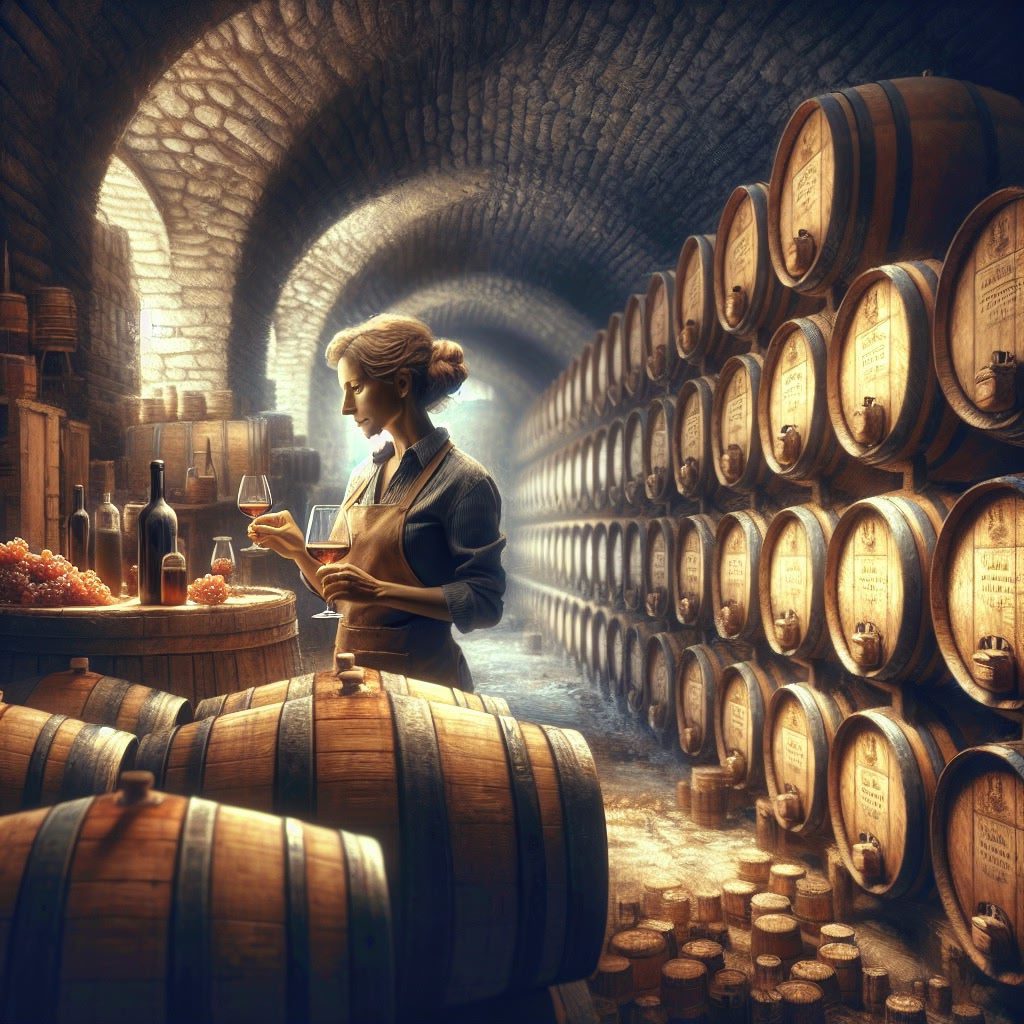
Conversely, older barrels are often preferred when a subtler influence is desired. They offer a more neutral vessel, allowing the grape’s characteristics to shine without overpowering oak notes. This choice aligns with the trend towards producing wines with a focus on terroir and varietal purity.

Current trends in winemaking reflect a nuanced approach, where winemakers might blend wines aged in both new and old barrels to achieve a balanced complexity. Additionally, the exploration of alternative aging techniques, such as using wood chips, is gaining traction as market dynamics evolve, driven by a desire for innovation while maintaining traditional quality standards.
Case Studies: Real-World Examples
In the exploration of new versus old barrels, several wineries provide insightful case studies. Notably, Silver Oak Cellars, a renowned winery in California, emphasizes the use of new American oak barrels to create its signature Cabernet Sauvignon. This approach allows them to extract vibrant flavors, such as vanilla and coconut, contributing to the rich profile that Silver Oak is celebrated for. Their method showcases the impact of fresh oak compounds on wine complexity.
Conversely, Penfolds, an iconic Australian winery, exemplifies the use of old barrels in crafting their esteemed Grange wine. By aging the wine in older barrels, Penfolds ensures minimal oak influence, allowing the fruit’s natural characteristics to dominate. This technique highlights how older barrels can foster a wine’s inherent qualities and maintain a balanced flavor profile.
These examples illustrate distinct approaches in barrel aging, each yielding unique results that cater to diverse consumer tastes. The strategic use of new and old barrels underscores their significance in shaping wine complexity and flavor.
Consumer Preferences and Perceptions
Consumer preferences for wines aged in new versus old barrels reveal a diverse landscape of tastes. A study involving 65 frequent red wine consumers highlighted a distinct preference for traditionally barrel-aged wines over those aged with oak chips. The findings indicated that while 55% of respondents were hesitant to purchase wines made with oak chips, many expressed openness if these alternatives matched the quality of barrel-aged wines. This demonstrates a nuanced acceptance of varying aging methods among consumers.

In terms of market trends, the wine industry is witnessing a shift towards sustainability and innovation. Wineries are embracing eco-friendly practices by reusing barrels and exploring alternative materials. Precision aging, utilizing hybrid barrels and digital monitoring, is gaining traction, allowing winemakers to craft wines with specific flavor profiles. As consumers become more environmentally conscious, these trends align with their evolving expectations, shaping the future of wine barrel aging practices.
Expert Insights
In the ongoing debate between new and old barrels in wine aging, industry experts offer invaluable perspectives. Renowned winemaker John Smith emphasizes, “New barrels impart intense flavors like vanilla and spice, which can enhance the complexity of younger wines.” His insights suggest that new barrels play a critical role in shaping the immediate sensory characteristics of wine. Conversely, wine historian Emily Johnson notes, “Old barrels allow the wine to develop more subtle, nuanced flavors over time, emphasizing terroir rather than oak.”

The perspectives of these experts highlight the strategic considerations winemakers face when selecting barrels. New barrels contribute distinct flavors, appealing to those seeking bold tastes. Meanwhile, old barrels support the development of intricate flavor profiles that appeal to connoisseurs valuing subtlety. This dichotomy underscores the importance of aligning barrel choices with the desired wine style and market preferences. Ultimately, understanding these insights allows wineries to tailor their aging processes, balancing tradition with innovation to meet diverse consumer expectations. For instance, a study indicated that 55% of consumers would not purchase wines made with oak chips, emphasizing the significance of barrel choice in consumer perception (PubMed). Additionally, current trends in sustainability and customization are shaping winemaking practices (Rocky Mountain Barrel Company).
Summary of Key Points
The choice between new and old barrels significantly influences the aging process and flavor profile of wine. New barrels impart vibrant flavors, such as vanilla and spice, which can enhance the wine’s complexity. In contrast, old barrels contribute to the development of nuanced flavors, highlighting the wine’s terroir.
- New barrels offer intense flavors, making them ideal for wines needing bold character.
- Old barrels allow wines to mature subtly, emphasizing depth and complexity over time.
- Consumer preferences vary, with many open to alternatives like oak chips if quality matches traditional methods (PubMed).
- Trends focus on sustainability and precision aging, leveraging technology to refine the aging process (Rocky Mountain Barrel Company).
Understanding these factors enables winemakers to tailor their approach, balancing traditional techniques with innovative practices to meet diverse consumer demands.
Conclusion
The choice between new and old barrels plays a crucial role in shaping the flavor profile and complexity of wine. New barrels contribute robust flavors and aromas, while old barrels allow for a subtler development of wine’s intrinsic characteristics. Thus, the impact of barrel selection is pivotal in defining a wine’s identity.
Looking ahead, winemakers are increasingly embracing innovative practices. Trends such as sustainability and precision aging are gaining traction. These advancements promise to refine the aging process further, allowing winemakers to craft wines that cater to diverse consumer preferences.
Ultimately, the strategic choice of barrels, coupled with emerging technologies, presents exciting opportunities for the future of winemaking, bridging traditional methods with modern innovations.
Frequently Asked Questions
- What is the difference between new and old barrels in wine aging?New barrels impart strong flavors such as vanilla and spice, while old barrels contribute subtler notes, allowing the wine’s natural characteristics to shine. For more details, explore our section on the Characteristics of New Barrels.
- How do barrels affect the complexity of wine?Barrels influence complexity through chemical reactions that enhance the wine’s aroma and taste. New barrels add layers of flavor, while old barrels allow for a more nuanced development. See our Science Behind Barrel-Wine Interaction section for more insights.
- Can wines aged with oak chips match the quality of barrel-aged wines?While some consumers are open to wines with oak chips, they often prefer traditional barrel aging for its depth. However, studies suggest a diversity of preferences, as discussed in the consumer preferences study.
- Are sustainable practices impacting barrel usage?Yes, wineries are increasingly adopting sustainable practices by using eco-friendly materials and reusing barrels, enhancing both environmental and economic benefits.


