How Roman Vintners Continue to Shape Your Favorite Bottle
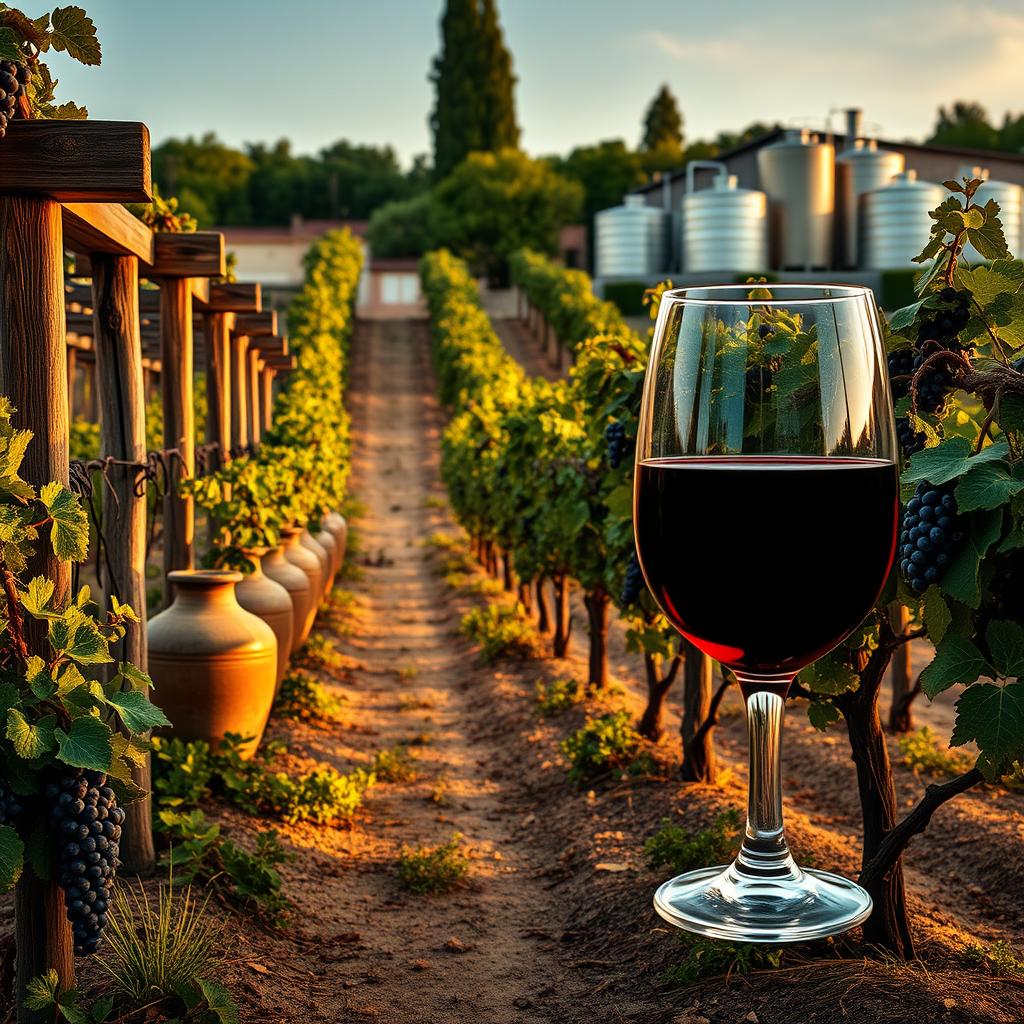
The amber liquid catches the evening light as it swirls in your glass. You take a sip of your favorite cabernet and experience layers of complexity—earthy undertones, hints of blackberry, that perfect tannic structure. What you might not realize is that the pleasure unfolding on your palate has roots stretching back over two millennia to the vineyards of ancient Rome.
Long before temperature-controlled fermentation tanks and industrial bottling lines, Roman vintners were pioneering techniques so fundamentally sound that they continue to influence the world’s most celebrated wines today. These weren’t simple farmers with crude methods—they were sophisticated agricultural scientists who documented their practices extensively and developed systems that would stand the test of time.
The marriage between ancient wisdom and modern innovation creates a fascinating dialogue across the centuries—one that reflects the very essence of exceptional winemaking. Today’s most forward-thinking vintners aren’t abandoning tradition for technology; they’re embracing classical techniques with renewed appreciation, discovering that the answers to today’s challenges often lie in practices perfected thousands of years ago.
What follows is an exploration of five Roman viticultural techniques that continue to revolutionize modern winemaking. These aren’t museum pieces or historical curiosities—they’re living practices that directly influence the character, quality, and sustainability of the world’s finest wines. Understanding these techniques offers not just a window into history, but insight into the very glass in your hand.

The Ingenious Roman Trellising Systems
When Romans looked at grapevines, they saw more than just plants—they envisioned living architecture that could be sculpted to maximize both yield and quality. Their sophisticated understanding of how vine positioning affects grape development led to trellising innovations that modern vintners still consider revolutionary.
The arbustum system, where vines were trained to grow up trees (often elms) in a strategic marriage of horticulture, represented one of the earliest examples of companion planting. This wasn’t merely decorative—it served multiple practical purposes. The trees provided natural support structures while creating microclimates that protected delicate grapes. More importantly, this elevation improved air circulation around the fruit, dramatically reducing fungal diseases in humid regions without chemical interventions.
Perhaps most influential was the Roman jugum—a four-sided wooden frame that suspended vines horizontally. This predecessor to modern pergola systems showcased the Romans’ understanding of how sunlight exposure affected ripening patterns. By training vines across these elevated frames, Roman farmers controlled exactly how much sun reached each cluster, balancing the need for photosynthesis with protection from scorching Mediterranean heat.
At Domaine de la Romanée-Conti, one of Burgundy’s most revered estates, vineyard manager Nicolas Jacob has implemented modified pergola systems in select parcels that draw directly from Roman designs. “The wisdom of these ancient systems lies in their response to a fundamental viticultural challenge—balancing exposure and protection,” he explains. “We’ve found that in an era of climate change and increasingly hot summers, these techniques offer solutions that no modern technology can match.”
The Roman approach to trellising also recognized regional differences. They understood that vineyard architecture needed to respond to local conditions—a principle that modern vineyard managers call “terroir-responsive viticulture.” In cooler northern provinces, they developed lower trellising systems that maximized sun exposure, while in hotter southern regions, higher systems provided crucial shade—all without mechanical cooling or heating.
This architectural approach to viticulture continues to inspire vineyards facing 21st-century challenges. As climate patterns shift and growing regions adapt, the flexible, responsive nature of Roman trellising offers lessons in resilience that feel remarkably contemporary. The next time you enjoy a wine from high-elevation vineyards in Argentina or traditional pergola-trained vines in Italy, you’re tasting the direct influence of Roman agricultural innovation.

Strategic Grape Variety Selection and Matching
The Romans elevated grape selection from mere farming to a sophisticated science. Their agricultural texts, particularly Columella’s De Re Rustica and Pliny’s Natural History, catalog dozens of grape varieties with detailed observations about which thrived in specific soils, exposures, and climates. This wasn’t just botanical curiosity—it represented one of history’s first systematic approaches to what we now call varietal selection.
What makes the Roman approach so relevant today is their focus on matching varieties to environments rather than forcing environments to accommodate preferred varieties. Long before soil science existed as a discipline, Roman farmers recognized that certain grapes flourished in chalky soils while others required volcanic terrains. They understood that proximity to maritime influences affected ripening patterns and developed variety recommendations based on these observations.
The Roman variety Allobrogica (believed to be an ancestor of modern Pinot Noir) was specifically cultivated in cooler northern regions where its early ripening characteristics allowed successful harvests in shorter growing seasons. Meanwhile, heat-tolerant varieties like Aminea gemina were developed for southern Italy’s intense summers. This climate-specific approach to variety selection represents a fundamental principle that modern viticulturists are increasingly returning to as climate patterns shift.
In Spain’s Priorat region, acclaimed winemaker Alvaro Palacios has spent decades researching traditional varieties that Romans first introduced to the region. “The Romans weren’t working with the genetic knowledge we have today, but their observational skills were extraordinary,” Palacios notes. “They recognized subtle adaptations in vines that modern science has only recently confirmed through DNA analysis. The varieties they selected for specific regions often represent perfect evolutionary matches to those environments.”
Beyond selecting varieties for specific locations, Romans pioneered the practice of field blending—growing multiple complementary varieties in the same vineyard and co-fermenting them. This approach, which fell out of favor during the varietal-focused late 20th century, is experiencing a renaissance among quality-focused producers who recognize its benefits for complexity and vintage consistency.
Perhaps most forward-thinking was the Roman practice of maintaining genetic diversity within vineyards. Unlike modern monoculture approaches with clonally identical vines, Roman vineyards contained slight genetic variations that functioned as insurance against disease and climate fluctuations. Today’s most progressive vintners are returning to this approach through massal selection, preserving genetic diversity within vineyards as a buffer against environmental challenges and changing conditions.
The next great wine regions may well be established using principles the Romans pioneered—matching grape genetics to environments rather than imposing artificial conditions to grow prestigious but ill-suited varieties. As climate zones shift, this ancient wisdom about variety selection becomes increasingly relevant to sustainable quality wine production.

Aging Vessels and Techniques That Transcend Time
When you consider the vessels used to age fine wines today—clay amphorae, concrete eggs, large-format wooden casks—you’re looking at aging concepts with direct links to Roman practices. Their approach to wine maturation wasn’t just practical; it was built on a sophisticated understanding of how different materials interact with wine over time.
The amphora represents the most iconic Roman contribution to wine aging. These clay vessels, often lined with beeswax or pine resin, weren’t merely storage containers—they were carefully designed aging vessels that allowed minimal oxygen exposure while maintaining temperature stability. The slightly porous nature of clay permitted micro-oxygenation that softened tannins and developed complexity without the heavy flavor impartation of new wood—precisely the qualities that have led to the modern resurgence of amphora aging among premium producers.
In Georgia’s Kakheti region, winemaker Niki Antadze produces wines in clay vessels following techniques that connect directly to Roman traditions. “What we’re rediscovering isn’t new at all—it’s a return to first principles,” Antadze explains. “The clay interaction with wine creates a complexity and tension that no modern material can replicate. Romans understood this through observation and experience, developing vessels that respected the wine’s development rather than dominating it.”
Beyond amphorae, Romans pioneered large-format wooden aging vessels that minimized wood influence while allowing beneficial aging reactions. These massive casks—predecessors to today’s botti and foudres—demonstrated their understanding that vessel size dramatically affects how wine evolves. The larger the vessel, the less pronounced the wood impact and the slower the maturation—a principle that premium producers now embrace for wines intended to develop complexity rather than acquire oak flavors.
Perhaps most innovative was the Roman approach to temperature control during aging. Without modern cooling systems, they constructed partially subterranean cellars that maintained remarkably consistent temperatures. The architecture of these spaces—thick walls, strategic ventilation, and careful orientation—created ideal aging environments that many modern wineries now emulate, recognizing that gentle, passive temperature control often produces more harmonious results than aggressive mechanical systems.
The Roman practice of aging wine near the sea to impart a subtle saline quality has also found modern champions. Producers in coastal regions from Jerez to Santorini now position aging rooms to capture maritime influences, understanding as the Romans did that environmental factors during aging become part of a wine’s distinctive character.
What makes these ancient aging techniques so relevant today is their fundamental alignment with contemporary values of minimal intervention and material authenticity. As wine lovers increasingly seek wines with a genuine sense of place, the Roman approach to aging—which emphasized revealing rather than transforming a wine’s character—offers a compelling alternative to heavily manipulated styles.
Temperature Control Methods: Ancient Wisdom, Modern Application
Long before electricity and refrigeration, Romans developed remarkably sophisticated temperature management techniques for both fermentation and storage. Their methods weren’t crude approximations but represented a nuanced understanding of how temperature affects wine development at every stage—knowledge that modern winemakers are increasingly reincorporating as they move away from overly technical approaches.
Roman winemakers pioneered the practice of harvesting at night or during the coolest hours of early morning—a technique now considered essential for quality white wine production in warm regions. This wasn’t merely convenient; it represented their understanding that grape temperature at picking dramatically affects the resulting wine’s aromatic profile and structural balance. Today’s finest producers in regions from Napa to Barossa have returned to this practice, recognizing its significant impact on wine quality.
For fermentation, Romans constructed specialized chambers partially buried in the earth, using the ground’s natural insulating properties to maintain stable temperatures. These rooms featured thick walls that absorbed heat during fermentation and released it slowly as ambient temperatures dropped—a passive temperature management system that prevented the wild fluctuations that can stress yeast and create off-flavors.
In Italy’s Chianti Classico region, winemaker Elisabetta Fagiuoli of Montenidoli has spent decades studying and implementing Roman-inspired temperature management techniques. “The Romans understood something fundamental that we sometimes forget with all our technology—that wine responds best to gentle, gradual temperature changes,” she observes. “Their systems worked with nature rather than against it, creating an environment where fermentation could proceed at its own rhythm.”
Perhaps most ingenious was the Roman practice of immersing amphorae in water or sand to regulate fermentation heat—a technique that allowed precise temperature adjustments without shocking the fermenting must. This approach recognized that consistency matters more than achieving a specific target temperature—a principle that modern winemakers increasingly embrace as they move away from formula-driven protocols toward more responsive winemaking.
For aging and storage, Romans developed the predecessor to modern passive cooling systems. Their cellars featured cleverly designed ventilation channels that captured prevailing breezes and directed them through the aging space. Some included water features that added beneficial humidity while providing evaporative cooling. These architectural solutions achieved remarkably stable conditions without mechanical intervention—and often with greater energy efficiency than modern systems.
Today’s most progressive winery architects are rediscovering these principles, designing structures that work with natural patterns rather than relying entirely on mechanical systems. From gravity-flow designs that eliminate pumping to orientation that maximizes natural cooling, contemporary winery design increasingly draws inspiration from Roman precedents that balanced practical needs with environmental harmony.
As energy costs rise and environmental concerns mount, these ancient approaches to temperature management offer sustainable alternatives to energy-intensive modern methods—proving once again that Roman wisdom contains solutions to thoroughly contemporary challenges.
Fermentation Approaches: The Ancient Roots of Natural Wine
The current natural wine movement, with its emphasis on indigenous yeasts and minimal intervention, might seem revolutionary—but its core principles would be instantly recognizable to Roman winemakers. Their approach to fermentation balanced careful observation with respect for natural processes, creating wines that expressed their origins with remarkable clarity.
Romans pioneered the concept of native yeast fermentation, understanding that each vineyard harbored unique microorganisms that contributed distinctive character to wines. Unlike later periods that valued consistency above all, Roman winemaking embraced these natural variations as essential to regional identity. This approach—allowing the indigenous microflora to conduct fermentation rather than imposing commercial yeasts—represents one of today’s most significant returns to classical winemaking wisdom.
In the Jura region of France, winemaker Jean-François Ganevat has studied Roman fermentation techniques extensively. “What we call ‘natural winemaking’ today is largely a return to principles the Romans considered fundamental,” Ganevat explains. “They understood that wine is born in the vineyard—that healthy grapes from balanced vines containing their own fermentation elements would produce the most distinctive and complete expressions.”
The Roman practice of including stems and grape solids during fermentation—a technique now called whole-cluster fermentation—has experienced a dramatic revival among premium producers. This approach wasn’t primitive or unrefined; it represented their understanding that these elements contributed structural components and aromatic complexity. Modern research has confirmed what Romans knew empirically: that stems can provide beneficial phenolic compounds and regulate fermentation kinetics in ways that produce more complex wines.
Perhaps most significant was the Roman approach to sulfur use. While they discovered sulfur’s preservative properties, they employed it with remarkable restraint compared to later periods. They recognized that minimal sulfur additions allowed wines to develop more complex aromatic profiles and express their origins more clearly—precisely the philosophy that guides today’s low-intervention winemakers.
The Roman fermentation vessel—typically a wide, open-top container that allowed continuous contact with ambient yeasts—has also found renewed appreciation. Modern concrete tanks and wooden fermenters often emulate the thermal properties and oxygenation patterns of these ancient vessels, recognizing that their design wasn’t primitive but purposeful, allowing fermentations to progress at natural rhythms that developed greater complexity.
Even the Roman practice of encouraging malolactic fermentation through warm storage after primary fermentation represents a technique that modern winemakers have readopted. This secondary bacterial conversion, which softens acidity and adds textural richness, was observed and managed by Roman vintners long before its microbiology was understood.
What makes these ancient fermentation approaches so relevant today is their alignment with contemporary values of authenticity and minimal intervention. As wine lovers increasingly seek expressions of place rather than technical perfection, the Roman approach to fermentation—working with natural processes rather than controlling every variable—offers a compelling alternative to industrial winemaking models.
Conclusion: The Timeless Dialogue Between Past and Future
The renaissance of Roman winemaking techniques in modern vineyards represents more than nostalgic revival—it reflects a profound recognition that these ancient practitioners understood fundamental truths about working with nature rather than attempting to dominate it. As climate challenges mount and consumer preferences shift toward authentic expressions, these classical approaches offer solutions that feel remarkably prescient.
The most progressive winemakers today aren’t abandoning technology but are incorporating it thoughtfully within frameworks established millennia ago. This balanced approach—respecting tradition while embracing appropriate innovation—creates wines that speak clearly of their origins while meeting contemporary standards for consistency and stability.
The ancient wisdom embedded in Roman viticulture reminds us that true innovation often involves rediscovering principles temporarily forgotten rather than inventing something entirely new. As you enjoy your next glass of wine—whether it’s fermented in amphora, aged in large neutral casks, or grown on modern adaptations of Roman trellising systems—you’re participating in a conversation across centuries between those who first systematized winemaking and those who continue to perfect it today.
This dialogue between past and future, tradition and innovation, represents the very essence of great wine—and perhaps its most enduring pleasure.


