Growing grapes in New Hampshire offers exciting possibilities, especially in the milder southern regions which have better climates for production. Selecting a sunny site with wind protection is crucial, particularly on southern slopes. Grapes prefer deep, well-drained sandy loam soils with a slightly acidic pH. Preparing the ground at least a year prior to planting helps eliminate weeds and adjust soil conditions. Planting vigorous one-year-old vines in spring is ideal, and proper support through a trellis system is necessary. Regular pruning, pest management, and appropriate fertilization ensure healthy growth and quality grapes by harvest time. For more details, you can reach out to the UNH Cooperative Extension’s experts.

1. Climate and Location for Grapes in New Hampshire
Grapes thrive best in the southern half of New Hampshire, where the climate is milder during winter and the growing season is longer. In this region, growers can take advantage of the warmer temperatures to cultivate a variety of grape types. Conversely, the northern parts of the state present challenges due to shorter growing seasons and harsher winters. Here, grape production is limited to well-protected sites that can support short-season varieties. Home vineyards are a great addition to residential landscapes, offering fresh grapes for eating, winemaking, and other uses. Selecting a location that receives ample sunlight, is sheltered from strong winds, and is free from late spring frosts is essential for optimal grape growth. For best results, planting grapes on southern slopes can enhance exposure to sunlight and warmth.
2. Selecting the Right Site for Vineyards
Choosing the right site for your vineyard is essential for successful grape growing in New Hampshire. Look for a location that receives full sunlight for at least six hours a day, as grapes require ample light to thrive. Additionally, select a site that is sheltered from strong winds and has a low risk of late spring frosts, which can damage young buds. Southern slopes are often recommended since they receive more sunlight and warmth, promoting better growth and fruit development.
Soil drainage is also critical; grapes do best in well-drained areas that avoid standing water. If your land has heavy clay, consider amending it with sand and organic materials to create a better environment for your vines. Avoid planting in low-lying areas where cold air and frost can settle. A well-chosen site will not only improve your grape yield but also enhance the overall health of the vineyard.
3. Understanding Soil Requirements for Grapes
Grapes require specific soil conditions to thrive, making it essential to understand their needs. Ideal soils for grape growing in New Hampshire are deep, well-drained sandy loams with a pH level ranging from 5.3 to 6.0. This type of soil allows for the proper drainage necessary to prevent root rot and other moisture-related issues. If your site has clay soils, they can be improved by mixing in sand and organic matter, which enhances drainage and aeration. Before planting, it’s wise to conduct a soil test, which can be done through the UNH Cooperative Extension. This will help determine soil pH and nutrient levels, allowing you to make any necessary amendments well in advance of planting.
4. Preparing and Planting Your Vineyard
To start your vineyard in New Hampshire, it’s crucial to prepare the site at least a year before planting. This allows you to adjust soil conditions and eliminate any perennial weeds that could compete with your young vines. When you’re ready to plant, choose vigorous one-year-old bare-root vines and aim for early spring, around May 1. Plant them with a spacing of 8 feet apart in rows that are 8 to 10 feet apart to ensure they have enough room to grow. After planting, prune each vine down to a single cane to promote strong growth. Consistent watering is essential in the initial stages to help establish the roots.
5. Building a Grape Trellis System
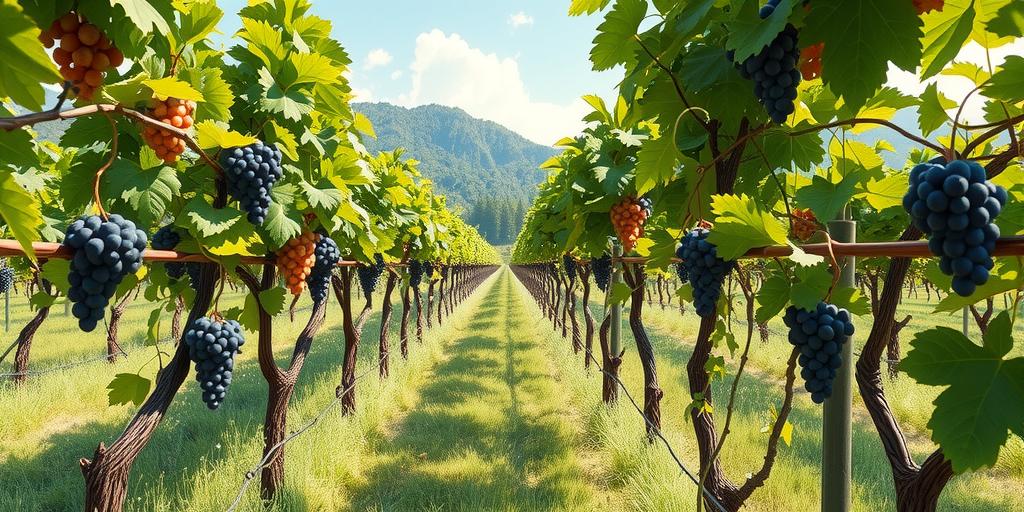
A grape trellis system is essential for supporting the vines as they grow and bear fruit. A sturdy setup typically consists of well-braced posts made from treated wood or metal to withstand the weight of the vines and grapes. The most common configuration includes two horizontal wire strands, with one set at about 3 feet and the other at 5 to 6 feet above the ground. This arrangement allows for easy access for maintenance and harvesting while providing adequate support. When constructing your trellis, ensure the posts are firmly anchored in the ground and spaced 10 to 12 feet apart to accommodate the vine’s spread. Additionally, consider using tensioning devices for the wire to keep it taut, which will help prevent sagging and provide better support for the growing plants.
6. Pruning and Training Grape Vines
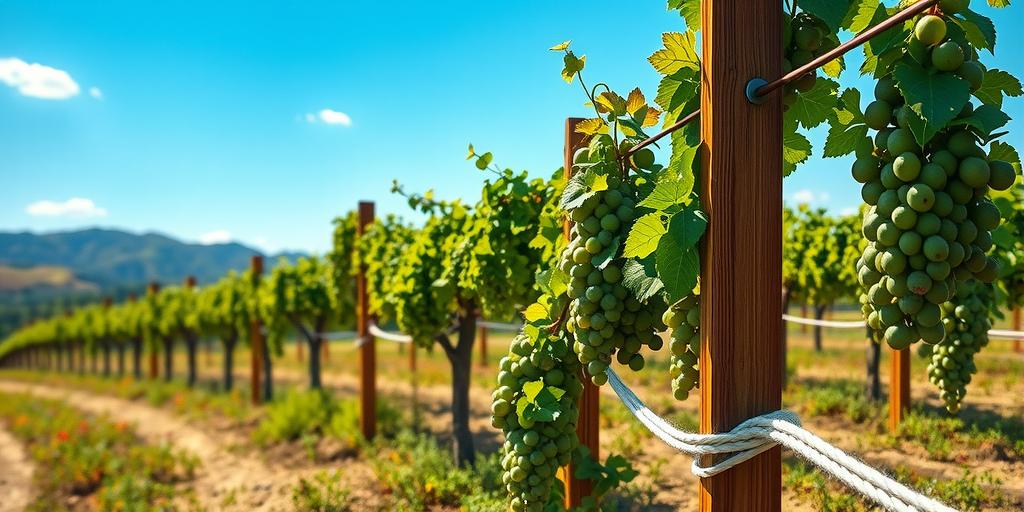
Pruning and training grape vines is essential for healthy growth and optimal fruit production. In New Hampshire’s colder climate, employing a cane-pruned system, such as the four-arm Kniffin, is particularly effective. This method allows for better air circulation and sunlight exposure, which are crucial for vine health. Initially, during the first winter, prune the grape vine down to two strong buds to encourage robust growth. As the vine matures, each year focus on selecting canes that will bear fruit while maintaining a manageable size for easy care and harvesting. It’s important to regularly monitor the growth and adjust the training as needed, ensuring that the vines are directed along the trellis for support and stability. Consistent pruning not only helps in controlling the vine’s shape but also enhances fruit quality by concentrating the plant’s energy on fewer, high-quality grapes.
7. Fertilization Techniques and Weed Control
For successful grape growth, proper fertilization is essential. In the first year, apply 1/4 pound of a balanced fertilizer, like 10-10-10, per plant. Gradually increase this amount each year, aiming for 1 pound per plant by the third year. This will provide the necessary nutrients to promote healthy vine development and fruit production.
Weed control is another vital aspect of vineyard management. Weeds compete with grapevines for nutrients and water, which can hinder growth. Regularly keep weeds in check through shallow cultivation or by using organic mulches. Mulching not only suppresses weeds but also helps retain soil moisture and improve soil quality as it breaks down. An effective combination of these fertilization techniques and weed management strategies will ensure that your grapevines thrive in New Hampshire’s unique growing conditions.
- Use balanced fertilizers for optimal growth
- Apply organic matter to improve soil fertility
- Consider soil testing to determine nutrient needs
- Implement slow-release fertilizers during the growing season
- Use cover crops to enhance soil nutrients and structure
- Employ mulch to suppress weeds and retain moisture
- Monitor weeds regularly and adjust control methods as needed
8. Tips for Harvesting Grapes
Harvesting grapes at the right time is essential for achieving the best flavor and quality. Grapes should be picked only when they are fully mature, which can vary by variety. A good way to judge maturity is through taste testing; grapes should be sweet and flavorful, not too tart. Additionally, keep an eye on the color of the grapes, as they often change as they ripen. Some varieties may also develop a slight softness to the touch when they are ready for harvest.
Timing is crucial, so be aware of the weather conditions as the harvest approaches. If you notice signs of fall frost, be prepared to harvest earlier than planned, as frost can damage the fruit. Watch for pests and signs of rot, which can also push you to pick sooner. When harvesting, use clean, sharp shears to avoid damaging the vines and other fruit. Handle the grapes gently to prevent bruising, and ideally, harvest in the morning when temperatures are cooler to maintain freshness.
9. Managing Pests and Diseases

Managing pests and diseases is essential for successful grape growing in New Hampshire. Common pests include Japanese beetles, which can defoliate leaves, and hornets that may invade the vineyard. Hand removal of these pests can be effective, but insecticides may also be necessary if infestations are severe. Regular monitoring of the vineyard is crucial to catch these pests early.
Diseases such as black rot, downy mildew, and powdery mildew pose significant threats to grape quality. Black rot leads to dark, sunken lesions on grapes, while downy and powdery mildews can cause white, fluffy growth on leaves and fruit. Preventative measures include ensuring good air circulation around the vines, proper spacing, and maintaining a clean vineyard environment. Fungicides may be used when necessary, especially during humid conditions when these diseases are more likely to spread. Keeping a close eye on the health of your vines and acting swiftly will help maintain a productive vineyard.
10. Best Grape Varieties for New Hampshire
New Hampshire’s unique climate requires grape varieties that can withstand cold temperatures and shorter growing seasons. For southern regions, consider varieties like Marquette and La Crescent, both of which are hybrids known for their cold hardiness and excellent wine quality. Marquette, with its rich flavors and good disease resistance, thrives well in this area. La Crescent offers a fruity profile, making it ideal for white wine enthusiasts.
In northern New Hampshire, where winters are harsher, look for varieties like Frontenac and Prairie Star. Frontenac is particularly resilient, tolerating temperatures as low as -25°F and producing robust red wines. Prairie Star is another good choice, known for its fruity character and adaptability in cooler climates.
For those who prefer seedless grapes, the Reliance variety is a popular option, providing sweet, juicy grapes that are perfect for fresh eating. Additionally, the Concord grape, while not a hybrid, is a classic choice that can thrive in New Hampshire, offering the nostalgic flavor of homemade jams and jellies. Choosing the right variety is crucial for successful grape growing in New Hampshire, ensuring you get the best yield and quality from your vineyard.
| Variety | Winter Hardiness Range (°F) | Type | Notes |
|---|---|---|---|
| Concord | -10°F to -15°F | Seeded | Traditional choice; good for juice and jelly. |
| Catawba | -10°F to -15°F | Seeded | Great for wine; susceptibility to diseases. |
| Marquette | -15°F to -25°F | Seedless | Vigorous; cold-hardy, good for reds. |
| La Crescent | -15°F to -25°F | Seedless | Excellent flavor; disease-resistant. |
| Niagara | -10°F to -15°F | Seeded | Ideal for sweet white wines. |
| Traminette | -10°F to -15°F | Seedless | Good for aromatic wines; somewhat resistant to diseases. |
11. Contact Information for Further Assistance
For those seeking more information about growing grapes in New Hampshire, feel free to reach out to Shyloh Favreau, the Diagnostic Services Program Manager at UNH Cooperative Extension. They can provide valuable insights, resources, and support tailored to your vineyard needs. Whether you have specific questions about grape varieties, pest management, or soil testing, the UNH Cooperative Extension is a great point of contact for both novice and experienced growers.
Frequently Asked Questions
1. What grape varieties grow best in New Hampshire?
Some grape varieties that thrive in New Hampshire include Marquette, La Crescent, and Traminette, as they can handle the colder climate.
2. When is the best time to plant grapevines in New Hampshire?
The best time to plant grapevines in New Hampshire is in the spring, after the last frost, typically around late April to early May.
3. How much sunlight do grapevines need to grow well?
Grapevines need a lot of sunlight, ideally around 6 to 8 hours of direct sunlight each day to produce healthy grapes.
4. What kind of soil is best for growing grapes in New Hampshire?
Well-drained, sandy loam or loamy soil is best for growing grapes, as it helps prevent root rot and allows good drainage.
5. How can I protect my grapes from winter damage?
To protect your grapes from winter damage, consider using mulch around the plants and covering them with a breathable fabric to trap warmth during harsh winter months.
TL;DR New Hampshire’s grape growing thrives in its southern regions, requiring full sunlight, well-drained sandy loam soils, and strategic site selection. Prepare your vineyard a year in advance and plant vigorous, one-year-old vines. Support your grapes with a sturdy trellis, practice annual pruning and training, and apply appropriate fertilizers while controlling weeds. Harvest grapes when fully mature, keeping an eye on pests and diseases. Ideal grape varieties withstand the region’s climate. For more guidance, contact the UNH Cooperative Extension.


