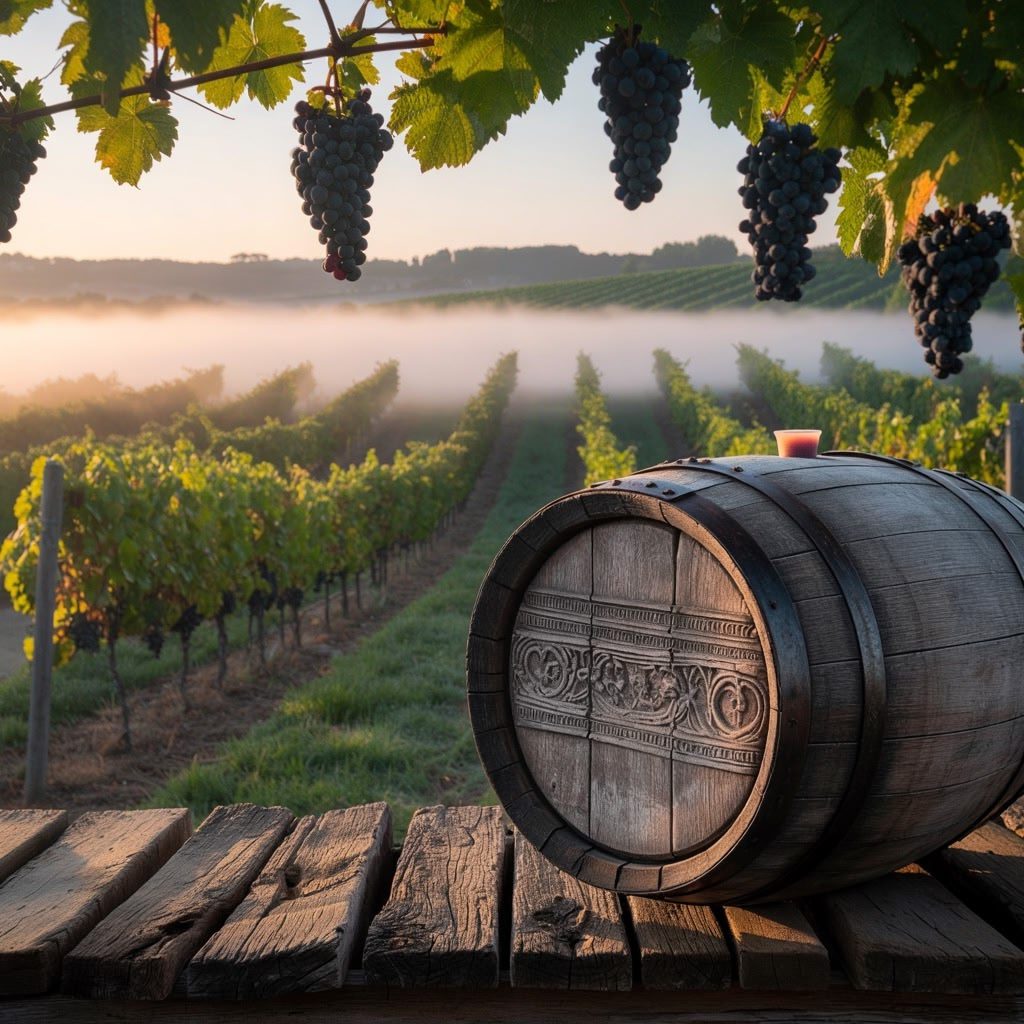
The early morning fog still clung to the vines as we walked the rows of what would soon become one of the region’s most talked-about vineyards. Six months earlier, these same rows told a different story—one of unfulfilled potential and winemaking disappointment. The owner’s weathered hands gestured toward the cellar door. “We’ve tried everything,” he confessed. “The fruit is good, but something gets lost in translation. The wines lack structure, complexity…soul.”
This moment marked the beginning of a transformation that would challenge conventional winemaking wisdom and resurrect ancient techniques largely forgotten by modern vintners. What followed was a journey into the intersection of tradition and innovation—where centuries-old craftsmanship meets cutting-edge understanding of wine chemistry.
The vineyard’s fundamental challenge wasn’t unusual in the industry: despite favorable terroir and meticulous vineyard management, their wines consistently underperformed in the critical area of tannin development. The result was wines that lacked the structural backbone necessary for proper aging and the complexity that distinguishes truly exceptional vintages. What made this situation unique, however, was our approach to solving it—one that would draw from winemaking traditions dating back to the Roman Empire.
The Tannin Dilemma: Understanding the Backbone of Great Wine
Tannins represent the architectural framework upon which great wines are built. These polyphenolic compounds, primarily derived from grape skins, seeds, and stems during fermentation, provide structure, complexity, and aging potential. When properly developed, tannins create that pleasurable astringency that dries the mouth while simultaneously allowing flavors to unfold in layers across the palate.
For this particular vineyard, several factors contributed to their tannin deficiency. Environmental conditions during recent growing seasons had resulted in grapes with underdeveloped phenolic maturity. Their existing oak program—primarily focused on newer French oak—wasn’t adequately addressing this fundamental issue. Most critically, they were approaching oak as merely a flavoring agent rather than a transformative element in structural development.
The conventional solution would have been straightforward: longer maceration during fermentation, more aggressive extraction techniques, and perhaps a shift in cooperage selection. But conventional thinking had already failed this vineyard. Something more fundamental needed to change.

Rediscovering Ancient Wisdom: The Roman Approach to Wood and Wine
The turning point came during research into historical winemaking practices. While modern winemaking typically views oak primarily through the lens of flavor contribution, ancient Roman vintners understood wood as a transformative medium—one that could fundamentally alter a wine’s structural composition through specific selection, preparation, and aging protocols.
Roman winemakers, particularly during the early Imperial period, developed sophisticated systems for enhancing wine structure using carefully selected oak from specific forests throughout their empire. These techniques weren’t just about flavor—they represented a holistic approach to wine maturation that modern science is only beginning to fully understand.
What made these ancient techniques particularly relevant to our struggling vineyard was their focus on building structure from the inside out, rather than simply layering oak flavors onto an already-complete wine. This philosophy perfectly aligned with our core challenge: not how to make the wine taste more like oak, but how to use oak to fundamentally transform the wine’s structural integrity.
The Intervention: Crafting a Custom Oak Program
Armed with this historical perspective and modern understanding of wine chemistry, we developed a multi-phase approach to address the vineyard’s tannin deficiency:
Phase 1: Wood Selection and Preparation
Rather than relying solely on conventional cooperage, we sourced raw oak materials from multiple European forests, focusing particularly on older-growth trees from higher elevations. The key insight from Roman techniques was the importance of grain structure and density in determining how wood compounds would interact with the wine.
The selection process prioritized wood with tight grain patterns indicative of slow growth—wood that would impart structure rather than overwhelming flavor. This represented a fundamental shift from the vineyard’s previous approach, which had focused primarily on oak’s aromatic contributions.
The most radical departure from conventional practice came in the wood preparation. Drawing from ancient texts describing Roman methods, we implemented extended natural seasoning—allowing the wood to mature in the elements for significantly longer than modern commercial standards. This process, while time-consuming, fundamentally alters the wood’s chemical composition, reducing harsh ellagitannins while preserving the beneficial structural compounds.
Phase 2: Customized Toasting Protocols
Modern barrel toasting typically follows standardized profiles designed to develop specific flavor characteristics. Our approach instead focused on developing toasting protocols specifically calibrated to enhance structural integration rather than flavor contribution.
Working with a traditional cooper, we developed gradient toasting techniques—varying the heat intensity across different portions of the wood. This approach, inspired by descriptions in Pliny the Elder’s writings on wine storage, creates diverse reaction zones within the wood, allowing for a more complex extraction pattern during aging.
The vineyard’s previous oak program had employed primarily medium-plus toast levels across all barrels—a one-size-fits-all approach that prioritized consistent flavor development. Our new protocol instead matched toasting levels to the specific structural needs of different vineyard blocks and fermentation lots.
Phase 3: Integration of Alternative Oak Formats
Perhaps the most unconventional aspect of our approach involved moving beyond the barrel as the sole vessel for oak maturation. Ancient Roman winemaking employed diverse wood formats—from large vessels similar to modern foudres to smaller insertable elements that could be precisely managed throughout the aging process.
Drawing from these historical practices, we implemented a hybrid aging system that combined traditional barrels with custom-designed oak inserts. These inserts, crafted from the same carefully selected wood as our barrels but with varying surface area and toast profiles, allowed for precise management of the wine’s structural development throughout the aging period.
This approach gave the winemaking team unprecedented control over the maturation process, allowing them to respond to the wine’s evolution rather than committing to a fixed oak regimen from the outset. When chemical analysis showed that certain lots needed additional structural reinforcement, specific inserts could be introduced or removed without disrupting the entire aging process.

The Science Behind the Transformation
While our approach drew inspiration from ancient techniques, its implementation was thoroughly grounded in modern wine chemistry. Throughout the process, we conducted extensive analysis of the wine’s phenolic development, monitoring key indicators of structural integration and maturation.
The transformation we observed went far beyond simple flavor enhancement. The interaction between our carefully selected wood elements and the wine’s native compounds triggered a cascade of chemical reactions that fundamentally altered the wine’s structural profile.
Of particular importance was the formation of complex tannin polymers—compounds created when oak-derived ellagitannins interact with the wine’s native condensed tannins. These polymers create the sensation of structural integration that distinguishes truly exceptional wines, providing framework without harshness.
Through regular monitoring, we observed these transformations occurring at an accelerated rate compared to conventional oak aging programs. The diverse oak formats and preparation methods were creating a more dynamic extraction environment, allowing for more complex structural development in less time.
Beyond Tannins: The Holistic Transformation
While our primary focus was addressing the vineyard’s tannin deficiency, the benefits of our oak program extended far beyond this single dimension. As the wine’s structural foundation strengthened, other quality indicators began to improve dramatically:
Enhanced Aromatic Integration
With improved structure came superior aromatic development. The wine’s fruit characteristics, previously somewhat one-dimensional, began to display greater complexity and persistence. Rather than competing with these natural aromas, our oak program seemed to amplify and extend them.
This phenomenon can be explained through the binding capacity of well-developed tannin structures, which form complexes with aromatic compounds that release more gradually during tasting. The result is a wine where fruit, oak, and terroir expressions harmonize rather than compete.
Textural Refinement
Perhaps the most immediately noticeable improvement came in the wine’s textural quality. The astringency that had previously dominated the finish was replaced by a polished mouthfeel—firm yet supple, with tannins that supported rather than overwhelmed the wine’s other elements.
This textural refinement represented the culmination of our approach: tannins that provided structure without harshness, creating the framework upon which the wine’s complete expression could unfold.
Aging Trajectory
While immediate improvements were gratifying, the most significant transformation appeared in the wine’s aging potential. Accelerated aging trials indicated that wines produced under our new oak program were evolving along trajectories typically associated with much more prestigious vineyards and appellations.
This improved aging curve—characterized by graceful evolution rather than rapid deterioration—ultimately represents the true measure of our program’s success. By establishing proper structural foundations, we hadn’t simply improved the current vintage; we had fundamentally altered the vineyard’s quality ceiling for years to come.

The Results: A Vineyard Transformed
The ultimate validation of any winemaking intervention comes not in laboratory measurements but in the glass and in the marketplace. By these metrics, our oak program delivered transformative results:
The most immediate indicator came during comparative tastings with previous vintages. Wines produced under our oak program displayed dramatically improved tannin integration, with astringency reduced and structural complexity enhanced. Blind tastings with industry professionals consistently placed the new wines in quality categories well above the vineyard’s historical performance.
Market response proved equally encouraging. Wines from the first vintage under our new protocol received unprecedented critical acclaim, with reviewers specifically noting the improved structure and aging potential. Distribution expanded into premium markets previously unreceptive to the vineyard’s offerings, and direct-to-consumer sales showed significant growth in both volume and price point.
Perhaps most telling was the response from long-time customers familiar with the vineyard’s previous offerings. Rather than perceiving the new approach as a departure from tradition, they recognized it as the fulfillment of potential that had always existed in the vineyard’s terroir but had never been fully expressed.
The Broader Implications: Ancient Wisdom in Modern Winemaking
Beyond the specific success of this vineyard, our experience highlights a broader truth about contemporary winemaking: sometimes the most innovative approaches involve rediscovering wisdom from the past.
Modern winemaking has delivered unprecedented consistency and technical precision, but this progress has occasionally come at the expense of traditional knowledge developed over centuries of practical experience. The Roman vintners who developed oak aging techniques did so without the benefit of chromatography or spectrophotometers, yet they understood intuitively how wood and wine interact at fundamental levels.
By integrating these ancient approaches with modern analytical capabilities, we created something genuinely innovative—a methodology that honors tradition while leveraging contemporary understanding. This synthesis represents the most promising path forward for winemaking: not blind adherence to either tradition or technology, but thoughtful integration of both.
Lessons for Other Vineyards
While every vineyard presents unique challenges requiring customized solutions, certain principles from our experience have broader applicability:
Think Beyond Flavor
Too often, oak is viewed primarily as a flavoring agent rather than a structural component. Shifting focus from flavor contribution to structural development opens new possibilities for addressing fundamental wine quality issues.
Question Standard Protocols
The standardization of barrel selection, toasting, and aging has brought consistency but sometimes at the cost of distinction. Questioning these protocols—especially when they’re failing to deliver desired results—can lead to breakthrough improvements.
Embrace Historical Perspective
Ancient winemaking traditions contain solutions to problems we still face today. Rather than dismissing these approaches as primitive or unscientific, modern vintners would do well to study and adapt them using contemporary understanding.
Prioritize Integration Over Addition
The most successful oak programs don’t simply add oak character to wine; they facilitate integration between the wine’s inherent qualities and complementary elements from the wood. This integration, rather than addition, should be the primary goal of any oak regime.
The Journey Continues
As we continue working with this vineyard and others facing similar challenges, our approach to oak and structure continues to evolve. Each vintage brings new insights, refinements to our methodology, and deeper understanding of how ancient wisdom and modern science can complement each other.
The transformation we witnessed—from struggling wines to expressions of genuine distinction—reinforces our belief in the power of this integrated approach. By respecting both tradition and innovation, we’ve helped unlock potential that was always present in the vineyard but never fully expressed.
For wineries facing similar structural challenges, the lesson is clear: sometimes the most progressive solution involves looking backward before moving forward. The wisdom of ancient vintners, combined with modern analytical capabilities, offers a powerful framework for addressing even the most persistent quality issues.
The fog had lifted from the vineyard as we concluded our morning walk, revealing rows that now produced wines worthy of their terroir. The transformation wasn’t about imposing our will on the wine but rather about creating the conditions for its true character to emerge—a philosophy as old as winemaking itself, yet as relevant today as it was when Roman vintners first discovered the transformative power of oak.


