Picture opening your kitchen cabinets and discovering that the Romans already solved your biggest cooking challenges over two thousand years ago. While we frantically search for the latest superfood trend or expensive supplement, ancient Romans were quietly mastering food preparation techniques that naturally amplified nutrition in ways that would make modern nutritionists envious.
The Romans didn’t have access to vitamin charts or mineral databases, yet they intuitively developed cooking methods that enhanced the bioavailability of nutrients, improved digestibility, and concentrated essential vitamins and minerals. These weren’t just survival techniques—they were sophisticated culinary practices that transformed simple ingredients into nutritional powerhouses.
What makes these ancient methods so compelling today is their elegant simplicity. Using nothing more than basic kitchen tools, seasonal timing, and an understanding of natural processes, the Romans created a food system that supported the health and vitality of one of history’s most successful civilizations. These time-tested approaches offer modern home cooks a pathway to naturally boost nutrition without relying on processed supplements or complicated equipment.
The Foundation of Roman Nutritional Wisdom
Roman food preparation wasn’t driven by convenience or speed—it was guided by an intimate understanding of how different methods could enhance the natural properties of ingredients. The Romans recognized that the way food was prepared could be just as important as the food itself, a principle that modern science continues to validate.
Their approach centered on working with natural processes rather than against them. Instead of trying to preserve food in artificial ways, they developed techniques that actually improved nutritional content during storage. Rather than cooking everything at high heat for quick results, they employed methods that protected delicate nutrients while making others more accessible to the body.
This wisdom becomes even more valuable when applied to today’s farm-fresh ingredients. The same principles that helped Romans maximize nutrition from their harvest can help modern cooks transform simple, wholesome ingredients into meals that nourish on a deeper level.

Method 1: Strategic Fermentation for Enhanced Digestibility
The Roman approach to fermentation went far beyond simple preservation—it was a sophisticated method for pre-digesting foods and creating beneficial compounds that didn’t exist in the original ingredients.
Romans understood that certain foods became more nutritious and easier to digest when allowed to ferment naturally. They would create grain-based porridges and let them sit at room temperature, allowing natural bacteria to break down complex carbohydrates and proteins into more absorbable forms. This process not only made nutrients more bioavailable but also created beneficial enzymes and probiotics that supported digestive health.
The transformation that occurs during fermentation is remarkable. Tough plant fibers become tender, bitter compounds mellow into complex flavors, and previously locked nutrients become accessible to the human digestive system. The Romans discovered that this process could turn basic grains and vegetables into nutritional goldmines.
Modern home cooks can apply this principle by allowing whole grain porridges to ferment overnight at room temperature before cooking. Simply mix your grains with water and a small amount of whey or cultured buttermilk, cover with a cloth, and let natural fermentation begin. The result is a more digestible, nutrient-dense meal that provides sustained energy and supports gut health.
Think about how this changes your morning routine—instead of rushing through breakfast preparation, you’re working with time to naturally enhance your food’s nutritional value.
The Science Behind Roman Fermentation
What the Romans discovered through practice, modern science now explains through biochemistry. Fermentation breaks down anti-nutrients like phytic acid, which can bind to minerals and prevent their absorption. It also creates new nutrients that weren’t present in the original food, including certain B vitamins and amino acids.
The bacterial cultures that develop during fermentation produce enzymes that pre-digest proteins and carbohydrates, making them easier for your body to process. This is why fermented foods often feel more satisfying and energizing than their unfermented counterparts—your digestive system doesn’t have to work as hard to extract their nutritional value.

Method 2: Clay Vessel Cooking for Mineral Enhancement
The Romans discovered that cooking vessels weren’t just containers—they were active participants in the nutritional enhancement process. Clay pottery, which was abundant and affordable throughout the Roman Empire, naturally added beneficial minerals to food during the cooking process.
Unlike modern non-stick surfaces that create barriers between food and cookware, unglazed clay vessels allowed for a gentle exchange of minerals. As food cooked slowly in these porous containers, trace amounts of calcium, magnesium, and iron from the clay would leach into the food, naturally fortifying meals with essential minerals.
The porous nature of clay also affected cooking temperature and moisture retention in ways that protected heat-sensitive vitamins. Clay heats gradually and evenly, preventing the high-temperature spikes that can destroy delicate nutrients. The material also naturally regulates moisture, creating an ideal environment for gentle, nutrient-preserving cooking.
This method becomes particularly powerful when cooking vegetables and grains that readily absorb minerals from their cooking environment. Root vegetables cooked in clay vessels develop deeper, more complex flavors while gaining additional nutritional content from the cooking process itself.
Modern cooks can embrace this principle by investing in unglazed clay cookware or tagines. Start with simple dishes like slow-cooked vegetables or grain-based stews, allowing the clay to gradually season while adding its mineral content to your meals. The key is patience—clay cooking rewards those who embrace slower, more mindful preparation methods.
Understanding Clay’s Nutritional Contribution
The mineral exchange that occurs during clay cooking happens gradually and naturally. Unlike synthetic supplements that deliver large doses of isolated nutrients, clay vessels provide a steady, gentle infusion of minerals in their natural form. This slow release allows for better absorption and reduces the risk of mineral imbalances that can occur with concentrated supplementation.
Clay cooking also creates an alkaline environment that can help balance the acidity of certain foods, potentially making them easier to digest and more nutritionally available.

Method 3: Solar Dehydration for Nutrient Concentration
Long before electric dehydrators and freeze-drying technology, Romans mastered the art of using solar energy to concentrate nutrients while preserving food. Their approach to dehydration was about more than preservation—it was a method for intensifying flavors and concentrating nutritional content.
The Roman technique involved careful timing and positioning to harness the sun’s energy at optimal angles and temperatures. They understood that slow, gentle dehydration preserved heat-sensitive vitamins while concentrating water-soluble nutrients, creating foods that were nutritionally dense and intensely flavorful.
This method works particularly well with fruits and vegetables that have high water content. As moisture evaporates, the remaining nutrients become concentrated, creating foods that deliver more nutrition per bite than their fresh counterparts. The slow dehydration process also develops complex flavors that can’t be achieved through any other preservation method.
Modern application of this principle doesn’t require any special equipment. Simple solar dehydration can be achieved using screens, clean cloth, and strategic placement in sunny, well-ventilated areas. The key is understanding how different foods respond to dehydration and timing the process to maximize both safety and nutritional retention.
Imagine transforming an abundant harvest into concentrated nutrition that can be stored for months. Herbs become intensely aromatic seasoning powders, tomatoes develop rich, complex flavors, and fruits become naturally sweet, nutrient-dense snacks that provide sustained energy.
The Concentration Effect
Solar dehydration works on the principle of nutrient concentration. When water is slowly removed from food, the remaining nutrients become densely packed into a smaller volume. This means that a small amount of properly dehydrated food can provide the same nutritional value as a much larger quantity of fresh food.
The slow, low-temperature process of solar dehydration also helps preserve enzymes and heat-sensitive vitamins that would be destroyed by faster, high-heat drying methods. This creates foods that are not only nutritionally dense but also more digestible and bioavailable.
Method 4: Seasonal Timing for Peak Nutritional Value
The Romans developed an sophisticated understanding of how seasonal timing affected the nutritional content of their food. They recognized that the same ingredient could have dramatically different nutritional profiles depending on when it was harvested and how it was prepared relative to seasonal cycles.
This wisdom extended beyond simple harvest timing to include preparation methods that aligned with natural seasonal rhythms. Cool-weather fermentation produced different results than warm-weather fermentation. Spring herbs required different preservation techniques than fall herbs. Winter cooking methods differed from summer approaches, not just for comfort but for optimal nutrition extraction.
The Romans understood that working with seasonal rhythms rather than against them produced superior nutritional results. They would time intensive food preparation activities to coincide with optimal environmental conditions, knowing that temperature, humidity, and even daylight hours affected the success of their techniques.
This seasonal approach to food preparation created variety in the Roman diet that went beyond simple ingredient availability. The same basic foods prepared using seasonally appropriate methods provided different nutritional profiles throughout the year, ensuring dietary diversity even with limited ingredient variety.
Modern cooks can apply this principle by observing how seasonal conditions affect their food preparation results. Notice how fermentation proceeds differently in winter versus summer. Observe how herbs dry more effectively during certain weather patterns. Pay attention to how seasonal produce responds to different cooking methods.
Aligning Preparation with Natural Cycles
Seasonal timing affects food preparation in subtle but important ways. Temperature and humidity influence fermentation rates, dehydration effectiveness, and even the development of flavors during cooking. The Romans learned to work with these natural variations rather than trying to control them.
This approach created a natural rhythm to food preparation that maximized both efficiency and results. Instead of fighting against seasonal conditions, Roman cooks learned to harness them as tools for enhancing their food preparation techniques.
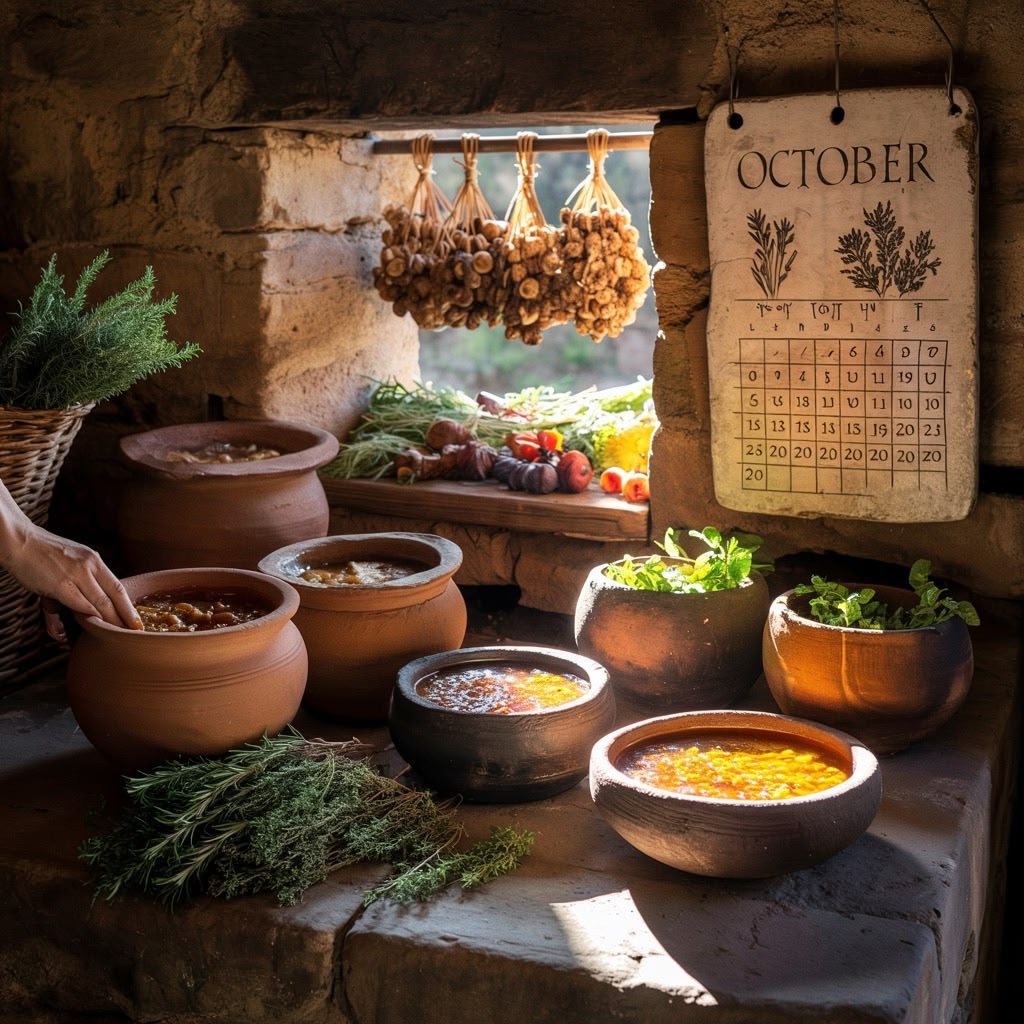
Method 5: Fresh Herb and Spice Integration for Bioavailability
The final Roman method involves the strategic use of fresh herbs and spices not just for flavor, but as nutritional enhancers that increase the bioavailability of other nutrients in the meal. Romans discovered that certain herbs and spices could act as nutritional catalysts, helping the body absorb and utilize nutrients more effectively.
This wasn’t random seasoning—it was a systematic approach to pairing herbs and spices with specific foods to maximize nutritional uptake. Certain combinations enhanced iron absorption, others improved the availability of fat-soluble vitamins, and still others aided in the digestion of complex proteins.
The Romans recognized that herbs and spices were medicines disguised as seasonings. They contained concentrated compounds that could influence digestion, inflammation, and nutrient absorption. By incorporating these strategically into meals, Romans created dishes that were both delicious and therapeutically beneficial.
The key was using herbs and spices fresh whenever possible, as many of their beneficial compounds are volatile and diminish with time and processing. Romans would add fresh herbs at specific points during cooking to maximize their nutritional impact while preserving their beneficial properties.
Modern application of this principle involves understanding which herbs and spices naturally complement different foods from a nutritional standpoint. Pairing iron-rich foods with vitamin C-rich herbs, combining healthy fats with fat-soluble vitamin sources, and using digestive herbs with protein-heavy meals can significantly enhance the nutritional value of everyday cooking.
The Synergy of Strategic Seasoning
The Roman approach to herbs and spices was based on the principle of nutritional synergy—the idea that certain nutrients work better together than in isolation. They discovered through practice what modern nutrition science now confirms: that the right combinations of foods and seasonings can dramatically improve nutrient absorption and utilization.
This synergistic approach transforms cooking from simple preparation into nutritional optimization. Instead of adding flavors randomly, each herb and spice serves a specific purpose in enhancing the meal’s overall nutritional impact.
Bringing Ancient Wisdom into Your Modern Kitchen
These five Roman food preparation methods offer more than historical curiosity—they provide a practical framework for naturally enhancing the nutritional value of modern meals. The beauty of these techniques lies in their simplicity and their reliance on natural processes rather than expensive equipment or complicated procedures.
Implementing these methods doesn’t require a complete kitchen overhaul or dramatic lifestyle changes. Start with one technique that appeals to you and gradually incorporate others as you become comfortable with the processes. The goal isn’t to recreate a Roman kitchen, but to apply Roman wisdom to enhance your current cooking practices.
Consider how these methods might transform your relationship with food preparation. Instead of viewing cooking as a chore to be completed as quickly as possible, these techniques invite a more mindful, intentional approach that values the process as much as the result.
The most powerful aspect of Roman food preparation methods is how they work together synergistically. Fermented grains cooked in clay vessels with seasonally appropriate herbs and spices, then preserved through solar dehydration, create foods that are far more nutritious than any single technique could achieve alone.
Begin by choosing one method that aligns with your current cooking style and available resources. Master that technique before moving on to others. This approach allows you to build confidence and understanding gradually while experiencing the tangible benefits of each method.
As you explore these ancient techniques, pay attention to how they affect not just the nutritional content of your food, but also its flavor, digestibility, and your overall satisfaction with meals. The Romans understood that truly nourishing food addresses multiple aspects of well-being simultaneously.
The path forward involves rediscovering the wisdom that sustained civilizations long before modern convenience foods and synthetic supplements. These Roman methods offer a return to natural, time-tested approaches to nutrition that honor both the intelligence of our ancestors and the needs of our modern lives.
Your kitchen holds the potential to become a place where ancient wisdom meets modern ingredients, where simple techniques unlock extraordinary nutritional value, and where the act of food preparation becomes a practice of nourishment that extends far beyond basic sustenance. The Romans showed us the way—now it’s time to bring their nutritional wisdom into your daily practice.


