Reviving the Empire Through Your Garden
The scent of lovage rises from the garden, carried on a warm breeze that could just as easily be blowing across the seven hills of Rome as through your backyard. Two thousand years dissolve in an instant when you crush a leaf between your fingers and inhale deeply. This is not just gardening—it’s time travel through your senses.
Modern herb gardens often feature the usual suspects—basil, rosemary, thyme—all wonderful additions to any kitchen, yet they represent only a fragment of the rich botanical palette that once flavored the ancient world. Roman cuisine, sophisticated and complex, relied on a distinctive collection of herbs that have largely faded from our culinary consciousness. Many of these plants, once essential to every Roman household, now exist primarily in historical texts rather than on our plates.
The disconnect between our modern palate and that of our ancestors has robbed us of flavors that once defined an empire. But buried within this loss lies an extraordinary opportunity for today’s culinary explorers: the chance to taste history itself by reintroducing these forgotten plants to our gardens and kitchens.
What might your cooking become when enhanced with herbs that once graced the tables of emperors? How might your connection to food deepen when you harvest plants that have remained virtually unchanged since they flavored meals during the height of Rome’s glory? The answers lie in the soil, waiting to be discovered by your hands.

The Forgotten Flavors of an Empire
Modern Western cuisine bears the unmistakable imprint of Roman influence, yet we’ve lost much of the herbal vocabulary that made their food distinctive. Today’s Italian food—with its tomato-based sauces and pasta dishes—would be unrecognizable to ancient Romans, who relied on a complex blend of herbs to create depth and dimension in their cooking.
Before herb gardens became mere decorative additions to our landscapes or convenient sources for a sprig of parsley, they were pharmaceutical cabinets, cosmetic counters, and culinary treasure chests all at once. Romans didn’t distinguish between medicinal and culinary herbs—this separation is a modern invention. Every plant served multiple purposes, addressing both physical health and sensory pleasure.
The sophisticated Roman approach to flavor involved layering herbs in ways that would surprise the modern palate. They balanced bitter, sweet, pungent, and aromatic notes with remarkable precision. Their cuisine wasn’t built on simplicity but on complexity—multiple herbs working in harmony to create distinctive taste profiles that defined their culinary identity.
When we grow these forgotten herbs, we’re not simply adding new ingredients to our cooking repertoire; we’re recovering lost knowledge and reconnecting with ancestral wisdom about flavor, nutrition, and the relationship between food and wellbeing. This reconnection offers something profoundly satisfying that goes beyond mere novelty—it’s about restoring continuity with our past.

The Essential Roman Herb Garden
Creating your Roman herb garden begins with understanding which plants formed the backbone of their cuisine. While some may be familiar, others will likely be new discoveries, offering unique flavors that have been largely absent from our modern tables. Each brings its own distinct character to both garden and kitchen.
Lovage (Levisticum officinale)
Perhaps no herb better exemplifies the disconnect between ancient and modern cooking than lovage. Once considered indispensable throughout the Roman Empire, this tall, celery-like plant has been relegated to obscurity despite its remarkable culinary versatility.
Lovage grows as a stately perennial, reaching heights of up to six feet when mature. Its deep green, glossy leaves emerge in spring, followed by yellow umbel flowers in summer that attract beneficial insects. The plant’s hollow stems, aromatic leaves, and seeds were all utilized in Roman cooking.
Growing lovage requires patience but minimal effort. Plant it in rich, moist soil where it will receive at least six hours of sunlight daily. Space plants about three feet apart to accommodate their eventual size. Lovage is slow to establish but will thrive for years once settled, returning reliably each spring from its deep taproot.
In the Roman kitchen, lovage leaves added complex flavor to soups, stews, and the fish sauces that were ubiquitous in their cuisine. The Romans also candied the stems like angelica and used the seeds as a spice. Modern cooks can incorporate lovage wherever celery is called for, but with awareness of its more powerful flavor profile—reminiscent of celery with notes of anise and a deeper earthiness.
Rue (Ruta graveolens)
Few herbs better illustrate the changing nature of taste than rue. Prized by Romans for both culinary and medicinal purposes, its bitter, distinctive flavor has fallen so far from favor that modern gardeners typically grow it only for ornamental purposes, unaware of its historical significance.
Rue grows as a compact, blue-green shrub with delicate, feathery foliage and small yellow flowers. Its distinctive appearance and ability to repel certain insects made it valuable in Roman gardens, where beauty and function were always intertwined.
To grow rue successfully, plant it in well-drained soil in full sun. It thrives in poor, rocky soil and requires minimal water once established—making it perfect for hot, dry areas of the garden. One important caution: rue can cause skin irritation in some people, so wear gloves when handling it, and keep it away from areas where children play.
The Romans used rue sparingly in their cooking due to its intensity. It appeared in numerous recipes in Apicius, the famous Roman cookbook, particularly in meat dishes where its bitterness counterbalanced rich flavors. Modern cooks might add a single young leaf to salads, egg dishes, or cheese spreads for an authentic touch of Roman bitterness—an acquired taste that challenges our modern preference for sweetness.

Hyssop (Hyssopus officinalis)
With its aromatic leaves and stunning blue, pink, or white flower spikes, hyssop brings both beauty and distinctive flavor to the Roman herb garden. This Mediterranean native was valued for its minty, slightly bitter taste with subtle notes of sage.
Hyssop grows as a compact, semi-woody perennial reaching about two feet in height. Its dark green, narrow leaves contrast beautifully with its showy flowers that bloom from midsummer into fall, attracting bees and butterflies in abundance.
For successful cultivation, plant hyssop in well-drained soil in full sun. It tolerates drought once established and benefits from a light pruning after flowering to maintain its compact shape. In colder regions, provide some winter protection or grow it in a sheltered location.
Romans incorporated hyssop into meat dishes, soups, and stews. They particularly valued it in preparations with game meats, where its aromatic qualities helped balance the strong flavors. Today, hyssop makes an interesting addition to roasted meats, bean dishes, and herbal teas. Its complex flavor—simultaneously sweet, bitter, and camphor-like—adds intriguing dimensions to both savory and sweet preparations.
Borage (Borago officinalis)
With its striking blue star-shaped flowers and cucumber-flavored leaves, borage was a favorite in Roman gardens for both its beauty and utility. This annual herb grows quickly from seed, making it an easy addition to any garden attempting historical authenticity.
Borage forms a bushy plant with gray-green, hairy leaves and abundant blue flowers that appear throughout the growing season. Its relaxed growth habit makes it suitable for casual garden settings, where it can be allowed to self-seed and return year after year.
To grow borage successfully, sow seeds directly in the garden after danger of frost has passed. It prefers full sun to light shade and average, well-drained soil. Once established, borage needs little attention and will often self-sow, returning reliably in subsequent seasons.
The Romans utilized borage in a variety of ways that might surprise modern cooks. They added the young leaves to salads and cooked dishes, valuing their refreshing cucumber-like flavor. The striking blue flowers were used to garnish drinks and dishes, adding visual appeal to their elaborate presentations. In contemporary cooking, borage leaves can add unexpected freshness to salads, while the flowers make beautiful, edible decorations for summer drinks and desserts.

Costmary (Tanacetum balsamita)
Perhaps the most overlooked of Roman herbs, costmary offers a fascinating window into ancient flavor preferences. Also known as bible leaf or alecost, this perennial herb was once common throughout the Mediterranean region and valued for its distinctive balsam-like scent and bitter, minty flavor.
Costmary grows as a spreading perennial with large, elongated leaves and small, button-like white flowers that appear in late summer. Its robust growth habit makes it an easy addition to gardens seeking historical authenticity.
For successful cultivation, plant costmary in average, well-drained soil in full sun to light shade. It spreads by underground rhizomes, so provide ample space or plant it where this tendency won’t become problematic. The plant is remarkably resilient, thriving with minimal care once established.
Romans used costmary primarily as a flavoring for wines and ales, but also incorporated the aromatic leaves into a variety of dishes. Its complex flavor—combining notes of mint, balsam, and a slightly bitter finish—added distinctive character to their cooking. Modern cooks can experiment with costmary in fish dishes, herbal vinegars, and teas, where its unusual flavor profile offers a direct connection to ancient taste preferences.
Cultivating Connection: From Soil to Plate
Growing these Roman herbs provides more than just interesting flavors—it offers a tangible connection to history that engages all the senses. When you brush against hyssop and release its aromatic oils, you’re experiencing exactly the same scent that would have wafted through a garden in Pompeii. When you harvest lovage for a soup, your hands are performing the same motions as a cook from centuries past.
This sensory continuity across time creates a profound connection to our culinary heritage. Unlike reading about history or viewing artifacts in museums, growing and cooking with these plants allows you to actively participate in living history through everyday actions in your kitchen and garden.
The Roman approach to these herbs was holistic—they understood plants as having properties that affected both body and spirit. Certain herbs were associated with specific deities or believed to influence particular aspects of health and wellbeing. By growing these plants, we recover not just flavors but an entire worldview that recognized the deep interconnection between humans and the plant kingdom.
There’s something deeply satisfying about nurturing plants that have been cultivated continuously for thousands of years. Many of these herbs exist in essentially the same form as they did when Roman gardeners tended them—a rare example of biological and cultural continuity in our rapidly changing world.

From Ancient Rome to Your Table: Modern Adaptations
Bringing Roman flavors into modern cooking doesn’t require abandoning contemporary tastes or techniques. Instead, it offers an opportunity to expand your culinary vocabulary with flavors that have stood the test of time. The key is understanding how these herbs function in recipes and finding thoughtful ways to incorporate them.
Lovage and Barley Soup (Inspired by Apicius)
Romans frequently paired lovage with barley in hearty soups that showcased the herb’s distinctive flavor. A modern adaptation might begin with sautéing onions and garlic in olive oil, then adding pearled barley, vegetable or chicken broth, diced carrots, and a small handful of chopped lovage leaves. The soup simmers until the barley is tender, with additional fresh lovage added just before serving for brightness. This simple preparation allows the unique celery-like flavor of lovage to shine while creating a satisfying, nutritious meal that bridges ancient and modern worlds.
Hyssop-Infused Honey (Mel Hyssopum)
The Romans were masters at creating flavored honeys, which they used both medicinally and in cooking. To create a simple hyssop-infused honey as they might have done, gently warm raw honey until it’s pourable but not hot (excessive heat destroys beneficial properties). Add fresh hyssop leaves and flowers, cover, and allow to steep for two weeks. Strain out the plant material, and the resulting aromatic honey can be used to sweeten teas, drizzled over cheese, or incorporated into salad dressings for a subtle herbal note that connects directly to Roman flavor traditions.
Roman-Style Herb Sauce (Modern Moretum)
The Romans were fond of herb-based sauces that showcased the complex flavors of their gardens. A modern interpretation of moretum—a cheese and herb spread mentioned in Roman poetry—might combine fresh herbs like rue (in very small quantities), lovage, and hyssop with soft cheese, garlic, olive oil, and pine nuts. Processed until smooth, this versatile preparation can be spread on bread, used as a dip for vegetables, or tossed with hot pasta for a simple meal that incorporates authentic Roman flavor combinations in a format suited to contemporary tastes.
Borage-Cucumber Cold Soup
While not directly from Roman recipes, this refreshing summer soup highlights borage’s cucumber-like flavor in a contemporary preparation. Blend peeled cucumbers with young borage leaves, yogurt, a touch of garlic, and salt until smooth. Chill thoroughly before serving, garnished with the striking blue borage flowers floating on top. This simple preparation showcases the refreshing qualities of borage that Romans would have recognized while fitting perfectly into modern dining patterns.
The beauty of cooking with Roman herbs lies in the balance between historical authenticity and personal creativity. Rather than rigidly adhering to ancient recipes (many of which contain ingredients or techniques difficult to replicate), focus on understanding the flavor principles that guided Roman cooking: the interplay of bitter and sweet, the layering of aromatic herbs, and the emphasis on balance and complexity.
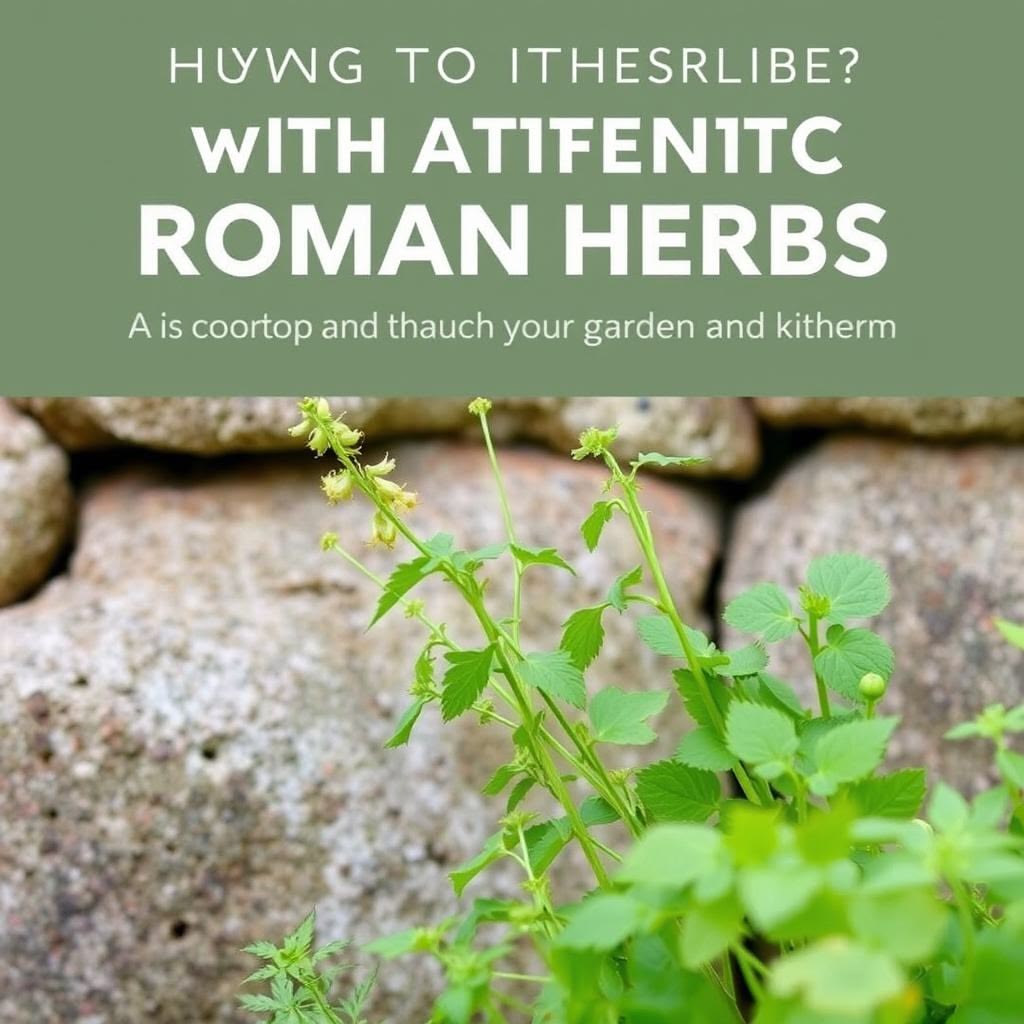
The Living Legacy: Why Growing Roman Herbs Matters
In our era of global supply chains and year-round availability of almost any ingredient, the act of growing historical herbs might seem unnecessary or purely nostalgic. Yet there’s something profoundly meaningful about cultivating plants that have fed humans consistently for thousands of years—plants that have survived empires rising and falling, that have traveled with settlers and soldiers, and that have adapted to changing climates while maintaining their essential character.
These herbs represent living artifacts—direct biological connections to our past that remain relevant to our present. Unlike ancient buildings that have crumbled or texts that require translation, these plants speak directly to our senses in exactly the same “language” they used to communicate with Romans. When you taste lovage, you experience precisely the same flavor profile that a Roman cook would have known and valued.
Growing these herbs also challenges us to reconsider our modern flavor preferences. The Roman palate embraced bitterness as a desirable taste—one that we’ve largely eliminated from contemporary Western cooking. By reintroducing herbs like rue and costmary, we expand our sensory vocabulary and recover taste experiences that have been largely forgotten.
Perhaps most importantly, cultivating these plants connects us to a lineage of human knowledge about the natural world. Each herb carries with it centuries of accumulated wisdom about its properties, growing habits, and uses. By growing them, we participate in preserving this knowledge for future generations—ensuring that these plants, and the cultural understanding they represent, aren’t lost to history.
Starting Your Roman Herb Journey
If you’re inspired to begin your own exploration of Roman herbs, start small. Choose two or three plants that particularly interest you, rather than attempting to recreate an entire Roman herb garden at once. Lovage and borage make excellent starting points—the former for its distinctive flavor that was central to Roman cooking, the latter for its beauty and ease of growth.
Source seeds or plants from reputable suppliers who specialize in historical or unusual herbs. Many of these plants, while once common, are now considered specialty items and may not be available at typical garden centers. Online sources often offer the best selection, along with specific growing information for each variety.
As you incorporate these herbs into your cooking, approach them with curiosity and openness. Some flavors, particularly the bitter notes prized by Romans, may initially seem strange to palates accustomed to modern taste preferences. Begin with small amounts, gradually increasing as you become familiar with each herb’s unique character.
Document your experiences—both successes and failures. Keep notes on growing conditions, harvest times, and culinary experiments. This documentation not only helps you refine your approach but contributes to the collective knowledge about these historical plants in contemporary settings.
Finally, share your exploration with others. Few things bring history to life more vividly than taste experiences. A simple meal featuring herbs from your Roman garden creates an immediate, sensory connection to the past that can spark curiosity and conversation about how people lived, ate, and understood their relationship to plants thousands of years ago.
Tasting Time: The Ultimate Connection
The true magic of growing Roman herbs happens in those moments when the barriers between past and present dissolve—when you brush against costmary and its scent transports you across millennia, or when you taste a soup enhanced with lovage and suddenly understand a flavor that countless generations before you have experienced in exactly the same way.
These sensory connections to history aren’t merely intellectual exercises or culinary novelties. They’re profound reminders of our shared humanity and the continuous thread of our relationship with the plant world. The hands that tended lovage in ancient Pompeii differ little from your own as you harvest its leaves; the appreciation for its flavor transcends time and cultural boundaries.
In a world that often seems disconnected from both history and nature, growing these plants offers a form of reconnection that is simultaneously practical and deeply meaningful. Your garden becomes not just a source of interesting flavors but a living museum—preserving genetic and cultural heritage through the simple acts of planting, tending, harvesting, and cooking.
As you explore the world of Roman herbs, you’ll discover that you’re not merely learning about history—you’re participating in it, becoming part of the long continuity of human cultivation and appreciation of these extraordinary plants. Their story now includes you, and through your garden, their legacy continues into the future.


