Picture this: you’re standing in your garden, frustrated with yet another modern tool that’s already showing signs of wear after just one season. What if the solution to your DIY dilemmas lies not in the latest hardware store innovations, but in the time-tested wisdom of ancient Rome? The reality is that many of the tools we consider cutting-edge today are actually refined versions of implements that helped build one of history’s greatest civilizations.
Roman agricultural innovation didn’t happen by accident. These ancient engineers understood something that modern manufacturers often overlook: true functionality emerges from necessity, refined through generations of practical use. When your livelihood depends on working the land efficiently, every tool becomes a critical investment in survival and prosperity.
The fascinating truth about Roman farming implements reveals a design philosophy that prioritizes durability, versatility, and ergonomic efficiency over flashy features. These principles remain as relevant today as they were two thousand years ago, offering modern homeowners a blueprint for selecting and using tools that actually last.
The Ingenious Multi-Functionality of the Dolabra
Among all Roman farming tools, none embodies practical versatility quite like the dolabra. This remarkable implement combined the functionality of an axe, hoe, and pickaxe into a single, perfectly balanced tool that could handle virtually any agricultural task thrown at it.
The genius of the dolabra lies in its asymmetrical design. One side features a broad, flat blade ideal for chopping and cutting, while the other presents a narrow, pointed edge perfect for breaking up hard soil or removing stubborn roots. This dual-functionality meant Roman farmers could tackle multiple jobs without constantly switching between different tools, saving both time and energy during long working days.
For today’s DIY homeowner, the dolabra’s design principles offer invaluable insights into tool selection. Rather than accumulating dozens of single-purpose implements, focus on acquiring versatile tools that can handle multiple functions effectively. Modern versions of the dolabra, often called mattocks or grub hoes, excel at landscape preparation, root removal, and heavy-duty gardening tasks that would challenge lesser tools.
The ergonomic wisdom embedded in the dolabra’s construction teaches us that effective tool design considers the human body’s natural movements and limitations. The weight distribution and handle length were carefully calibrated to maximize striking power while minimizing user fatigue, principles that remain fundamental to quality tool design today.
Modern Applications for Ancient Wisdom
When tackling ambitious landscaping projects, consider how the dolabra’s multi-functionality could streamline your approach. Instead of juggling separate tools for breaking ground, cutting roots, and shaping soil, a well-designed mattock can handle all these tasks with remarkable efficiency.
The key lies in understanding how the tool’s weight and balance work with your body’s natural movements. Roman farmers developed specific techniques for maximizing the dolabra’s effectiveness, alternating between chopping motions for tough materials and hoeing actions for soil cultivation. These time-tested methods translate directly to modern yard work, offering a more efficient and less physically demanding approach to demanding outdoor projects.

The Precision and Power of the Falx
Roman agricultural success depended heavily on proper plant management, and no tool exemplified this principle better than the falx. This curved, sickle-like implement represented the pinnacle of ancient cutting technology, designed specifically for precision pruning and harvesting tasks that required finesse rather than brute force.
The falx’s distinctive curved blade wasn’t merely aesthetic; it served critical functional purposes that modern homeowners can appreciate and apply. The inward curve concentrates cutting force at the optimal angle, allowing users to slice through plant material with minimal effort while maintaining precise control over the cutting action.
What makes the falx particularly relevant for contemporary DIY enthusiasts is its emphasis on working with natural plant structures rather than fighting against them. Roman farmers understood that proper pruning requires tools that complement the growth patterns and fiber direction of different plants, leading to cleaner cuts and healthier plant development.
The handle design of traditional falx tools demonstrates sophisticated understanding of leverage and control. Unlike straight-handled cutting tools that rely primarily on arm strength, the falx’s construction allows users to engage their entire body in the cutting motion, reducing fatigue and increasing precision during extended use.
Bringing Ancient Precision to Modern Pruning
Modern pruning shears and specialty cutting tools often incorporate design elements pioneered by the falx, though few homeowners recognize these ancient connections. Understanding the principles behind the falx can dramatically improve your approach to garden maintenance and plant care.
The key insight lies in recognizing that effective cutting tools work as extensions of your natural hand movements rather than forcing you to adapt to awkward positions or uncomfortable grips. When selecting modern cutting implements, prioritize tools that feel balanced and natural in your hand, allowing for smooth, controlled motions that don’t strain your wrist or forearm.
Consider how the falx’s curved design allows for pulling cuts rather than pushing cuts, which typically require less force and produce cleaner results. This principle applies whether you’re pruning roses, trimming hedges, or harvesting vegetables from your garden. The motion feels more natural and sustainable over extended periods, reducing the risk of repetitive strain injuries that plague many enthusiastic gardeners.

The Reliable Efficiency of the Rastrum
Roman soil cultivation reached its pinnacle with the rastrum, a heavy-duty rake designed specifically for breaking up compacted earth and preparing seedbeds with remarkable efficiency. Unlike modern rakes that often focus on debris collection, the rastrum was engineered as a serious cultivation tool capable of transforming hard, unworkable ground into fertile planting medium.
The rastrum’s design philosophy centered on creating maximum soil disruption with minimum user effort. The tines were spaced and angled to penetrate hard-packed earth while the weight distribution allowed gravity to assist the breaking action. This meant Roman farmers could prepare large areas for planting without exhausting themselves in the process.
What sets the rastrum apart from contemporary rakes is its emphasis on soil structure improvement rather than mere surface preparation. The tool was designed to create optimal air pockets and drainage channels while mixing organic matter throughout the soil profile, establishing ideal conditions for seed germination and root development.
For modern homeowners dealing with clay soils, compacted lawns, or neglected garden beds, the rastrum’s design principles offer invaluable guidance. The key lies in understanding that effective soil preparation requires tools designed specifically for cultivation rather than maintenance, built to handle the significant forces involved in breaking up resistant earth.
Transforming Difficult Soil with Ancient Techniques
The rastrum teaches us that successful soil preparation depends more on technique and tool selection than on raw physical power. Roman farmers developed specific working patterns that maximized soil disruption while conserving energy, principles that remain highly relevant for today’s DIY projects.
Rather than attacking compacted soil with brute force, the rastrum’s design encourages a methodical approach that gradually breaks down soil structure through repeated, measured actions. This patient technique proves far more effective than aggressive assault with inadequate tools, ultimately saving both time and physical strain.
Modern cultivating tools that incorporate rastrum-inspired design elements excel at tasks like preparing new planting beds, renovating tired lawns, and incorporating amendments into existing soil. The key is recognizing that quality soil preparation sets the foundation for all subsequent gardening success, making the investment in proper tools both practical and economical.

The Versatile Strength of the Bidens
Roman agricultural efficiency reached impressive heights with the bidens, a two-pronged implement that bridged the gap between delicate hand tools and heavy-duty digging equipment. This ingenious tool exemplified Roman understanding that many farming tasks require more precision than a shovel provides but more power than hand tools can deliver.
The bidens design philosophy focused on controlled penetration and targeted soil movement, allowing farmers to work around established plant root systems while still accomplishing significant earth-moving tasks. The two-tined configuration provided excellent soil penetration while maintaining the leverage necessary for prying up stubborn roots or breaking apart clay chunks.
What makes the bidens particularly relevant for contemporary homeowners is its emphasis on working efficiently in confined spaces. Unlike broad tools that require significant clearance, the bidens could operate effectively between planted rows, around established trees, or in other areas where space constraints limit tool options.
The balance point and weight distribution of traditional bidens tools demonstrate sophisticated understanding of human biomechanics. The tool was designed to work with natural arm and shoulder movements, allowing users to generate significant digging force without putting excessive strain on their back or joints.
Precision Digging for Modern Landscapes
Modern landscaping often requires exactly the kind of precision digging that made the bidens invaluable to Roman farmers. Whether you’re installing irrigation lines, planting bulbs, or working around established plantings, the principles behind this ancient tool remain highly applicable.
The key insight lies in recognizing that many outdoor projects benefit more from targeted soil disruption than from broad excavation. A well-designed two-pronged tool allows you to work precisely where needed while leaving surrounding areas undisturbed, an approach that proves particularly valuable when working in established gardens or near sensitive plants.
Consider how the bidens philosophy applies to tasks like aerating compacted lawn areas, loosening soil around root zones, or preparing planting holes in rocky or clay soil. The concentrated force of two tines often proves more effective than the dispersed pressure of broader tools, especially when dealing with challenging soil conditions.
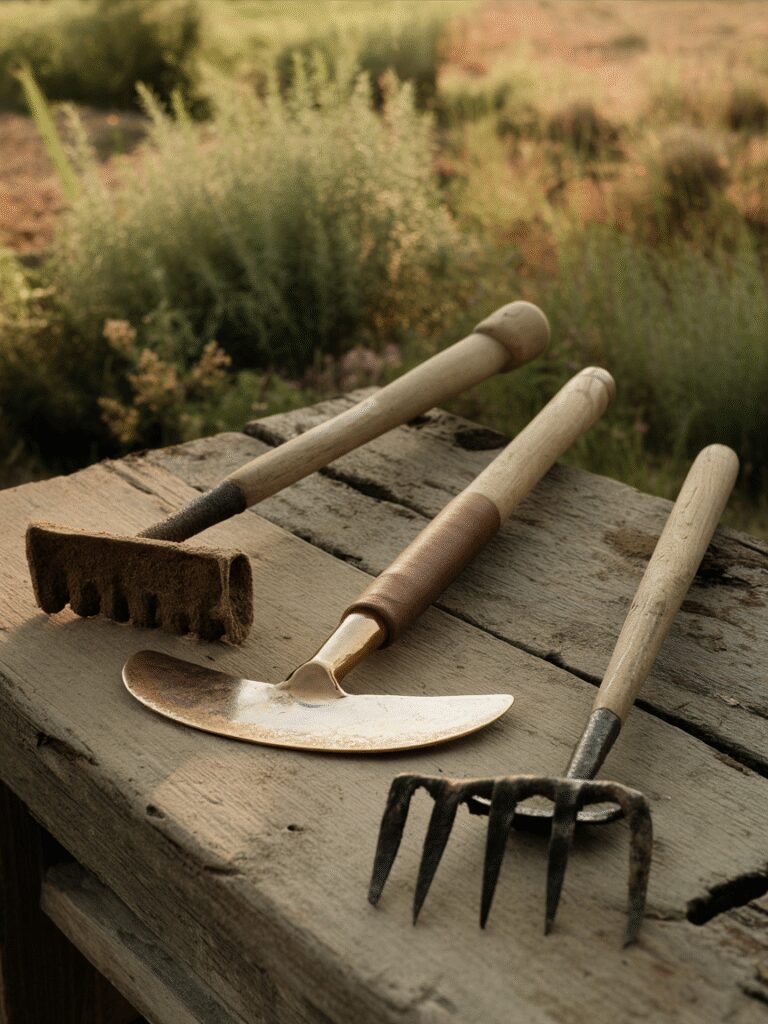
The Enduring Legacy of the Ligo
Perhaps no Roman farming tool better exemplifies the principle of purposeful design than the ligo, a specialized hoe engineered specifically for cultivation tasks that required both power and precision. Unlike general-purpose tools that attempt to handle multiple functions with compromised effectiveness, the ligo was optimized for the crucial task of maintaining soil health throughout the growing season.
The ligo’s blade design incorporated subtle curves and angles that modern tool designers often overlook in favor of simplified manufacturing processes. These seemingly minor details dramatically affected the tool’s performance, allowing it to slice through soil with minimal resistance while maintaining excellent directional control.
Roman farmers understood that effective cultivation requires tools that work with soil structure rather than simply disrupting it. The ligo was designed to create optimal tilth while preserving beneficial soil layers, an approach that promotes healthy plant growth while minimizing erosion and nutrient loss.
For today’s environmentally conscious homeowners, the ligo’s design philosophy offers valuable insights into sustainable land management. The tool’s emphasis on soil health and structure preservation aligns perfectly with modern understanding of ecological gardening principles, demonstrating that ancient wisdom often anticipates contemporary concerns.
Sustainable Cultivation Through Ancient Methods
The ligo teaches us that effective soil management requires tools designed specifically for cultivation rather than general-purpose implements pressed into service beyond their optimal function. This principle becomes particularly important when working with living soil ecosystems that benefit from careful, thoughtful intervention.
Modern cultivating tools that incorporate ligo-inspired design elements excel at maintaining established gardens while preserving beneficial soil organisms and structure. The key lies in understanding that good cultivation enhances natural soil processes rather than overwhelming them with excessive disruption.
Consider how the ligo’s approach to soil cultivation emphasizes working with natural soil layers and moisture levels rather than forcing soil into artificial configurations. This patient, respectful approach to land management often produces superior long-term results while requiring less physical effort and causing less environmental disruption.
Bringing Roman Wisdom to Your DIY Projects
The enduring relevance of Roman farming tools reveals fundamental truths about effective tool design that transcend historical periods and technological advances. These ancient implements succeeded because they addressed universal human needs: the desire to work efficiently, sustainably, and with minimal physical strain while achieving superior results.
Understanding the principles behind these time-tested tools can revolutionize your approach to DIY projects and garden maintenance. Rather than accumulating numerous specialized implements, focus on acquiring versatile, well-designed tools that embody the Roman emphasis on functionality, durability, and ergonomic efficiency.
The key insight lies in recognizing that effective tools work as extensions of your natural movements and capabilities rather than requiring you to adapt to awkward or inefficient designs. Roman tool makers understood this principle intuitively, creating implements that enhanced human ability rather than fighting against it.
As you evaluate your current tool collection or consider future purchases, apply the Roman test of practical functionality. Does the tool serve multiple purposes effectively? Can you use it comfortably for extended periods? Will it handle the demanding tasks you actually encounter rather than theoretical applications you might never attempt?
The wisdom embedded in these ancient designs offers a refreshing alternative to the disposable tool culture that dominates modern retail markets. By choosing quality implements based on time-tested principles rather than marketing claims, you invest in tools that will serve you faithfully for years while delivering superior performance on the projects that matter most to you.
Consider starting your Roman-inspired tool collection with modern versions of these proven designs, gradually replacing single-purpose implements with versatile tools that embody ancient wisdom refined by contemporary materials and manufacturing techniques. Your back, your wallet, and your project results will all benefit from this thoughtful approach to tool selection and use.


