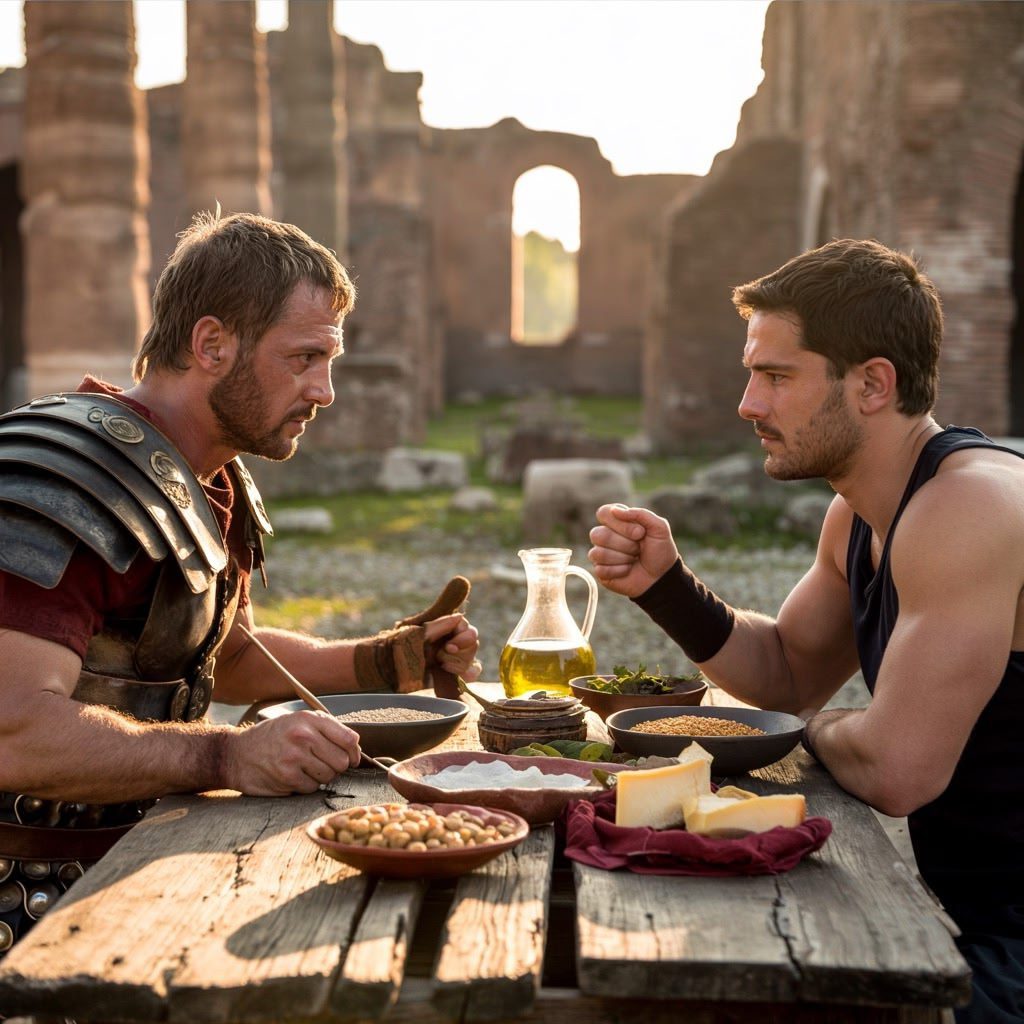
Picture this: a warrior steps into the arena, muscles rippling with power, eyes blazing with confidence. The crowd roars as the gladiator raises his weapon, embodying peak human performance. What most people don’t realize is that this incredible physical prowess wasn’t just built in the training grounds—it was forged in the kitchen.
The ancient Romans understood something that modern sports science is only beginning to rediscover: food isn’t just fuel, it’s medicine, recovery, and competitive advantage all rolled into one. While today’s athletes obsess over the latest supplements and exotic superfoods, history’s most elite warriors were achieving extraordinary results with surprisingly simple, time-tested nutritional principles.
The gladiators of ancient Rome weren’t just entertainment—they were professional athletes at the absolute pinnacle of their craft. Their lives depended on maintaining peak physical condition, and their diet was as carefully orchestrated as their combat training. What they ate, how they prepared it, and when they consumed it holds secrets that could revolutionize how modern athletes approach nutrition.
The Foundation of Gladiator Nutrition: Mediterranean Mastery
Long before the Mediterranean diet became a modern health phenomenon, Roman gladiators were living proof of its effectiveness. Their approach to eating centered around what the land naturally provided, creating a nutritional framework that supported incredible strength, endurance, and recovery.
The gladiator diet wasn’t built around restriction—it was built around abundance. Abundant vegetables, abundant grains, abundant olive oil, and strategic use of protein sources that maximized both nutrition and digestibility. This wasn’t about cutting carbs or following the latest fad; it was about eating in harmony with natural rhythms and seasonal availability.
Imagine if modern athletes approached nutrition with this same reverence for natural foods. Instead of reaching for processed protein bars and synthetic supplements, they would find themselves gravitating toward the robust flavors and dense nutrition of foods that have sustained human performance for millennia.
The Roman approach recognized that the human body thrives on variety and seasonal eating patterns. Gladiators didn’t eat the same meal year-round—their diet shifted with the seasons, ensuring they received a wide spectrum of nutrients while supporting their body’s natural adaptation cycles.

Barley: The Unexpected Superfood of Ancient Warriors
While modern athletes obsess over whey protein and creatine, Roman gladiators earned the nickname “hordearii”—barley men—for their reliance on this humble grain. This wasn’t a coincidence or a sign of primitive nutrition knowledge. It was a calculated choice based on practical wisdom that still holds true today.
Barley provided gladiators with sustained energy release, essential for the explosive bursts and enduring stamina required in the arena. Unlike refined grains that spike blood sugar and crash energy levels, barley offered steady fuel that could power through intense training sessions and brutal competitions.
But the genius of barley goes beyond its energy properties. This ancient grain supported muscle recovery and growth while being gentle on the digestive system—a crucial consideration for athletes who needed to maintain consistent training schedules. The fiber content helped maintain optimal gut health, which modern science now recognizes as fundamental to athletic performance and overall wellness.
Picture the modern athlete who discovers barley as their secret weapon. Instead of fighting energy crashes and digestive issues from processed foods, they experience steady performance, faster recovery, and the kind of sustained vitality that allows for consistent, progressive training.
Strategic Protein: Quality Over Quantity
The Roman approach to protein consumption offers a masterclass in efficiency and effectiveness. Rather than consuming massive quantities of meat—which would have been expensive and potentially problematic for digestion—gladiators strategically incorporated high-quality protein sources that maximized nutritional value while supporting optimal performance.
Legumes played a starring role in the gladiator diet, providing not just protein but also complex carbohydrates, fiber, and essential minerals. Lentils, chickpeas, and beans became dietary staples that supported muscle development while maintaining digestive health and sustained energy levels.
When animal protein was consumed, it was typically in smaller, more digestible portions that complemented rather than dominated the meal. Fish provided omega-3 fatty acids for inflammation control, while occasional meat offerings delivered iron and B-vitamins essential for energy production and recovery.
This protein strategy reveals profound wisdom: it’s not about consuming the maximum amount of protein possible, but rather consuming the right types of protein at the right times in the right combinations. Modern athletes who adopt this principle often discover they can maintain and even increase muscle mass while improving energy levels and reducing digestive stress.

Olive Oil: Liquid Gold for Peak Performance
If there was one ingredient that defined the gladiator approach to nutrition, it was olive oil. This wasn’t just a cooking medium—it was a performance enhancer, recovery accelerator, and health optimizer all in one golden package.
Olive oil provided gladiators with concentrated energy in a form that was easily absorbed and utilized by the body. The monounsaturated fats supported hormone production, which is crucial for muscle development and recovery. The natural anti-inflammatory compounds helped manage the intense physical stress of training and competition.
But perhaps most importantly, olive oil enhanced the absorption of fat-soluble vitamins from other foods in the diet. This means that every vegetable, every grain, every herb became more nutritionally potent when consumed with this liquid gold.
Modern athletes who embrace the gladiator approach to olive oil consumption often report improvements in energy levels, recovery times, and overall sense of vitality. Imagine transforming your meals from simple fuel into powerful medicine simply by incorporating high-quality olive oil with intention and purpose.
The Timing Revolution: When Gladiators Ate
The ancient Romans understood something that intermittent fasting enthusiasts are rediscovering today: when you eat can be just as important as what you eat. Gladiator meal timing wasn’t arbitrary—it was designed to optimize training performance, enhance recovery, and maintain peak physical condition.
The traditional Roman eating pattern involved a light morning meal, a substantial midday feast, and strategic post-training nutrition. This approach naturally aligned with the body’s circadian rhythms and energy needs, supporting both intense physical training and optimal recovery.
Morning meals were typically light and easily digestible, providing gentle energy without overwhelming the digestive system before training. The main meal of the day came when the body was primed for nutrient absorption and when social connection around food could support mental and emotional well-being.
Post-training nutrition focused on foods that supported recovery and muscle repair, with an emphasis on easily absorbed nutrients that could quickly replenish energy stores and provide building blocks for adaptation.
Consider how this timing approach could transform modern athletic performance. Instead of constantly grazing or forcing food when the body isn’t ready to receive it, athletes could work with their natural rhythms to optimize both performance and recovery.

Seasonal Wisdom: Eating with Nature’s Rhythms
Roman gladiators didn’t have access to strawberries in winter or root vegetables in summer—and this apparent limitation was actually a tremendous advantage. Seasonal eating ensured dietary variety throughout the year while providing the specific nutrients needed for different training phases and environmental challenges.
Spring brought fresh greens and early vegetables that supported detoxification and renewal after winter’s heavier foods. Summer provided abundant fruits and vegetables rich in antioxidants and hydrating compounds perfect for intense training in hot weather. Fall delivered nuts, seeds, and hardy vegetables that built energy reserves for winter, while winter’s preserved foods and stored grains provided steady, warming energy during the colder months.
This seasonal approach created a natural periodization of nutrition that complemented training cycles and supported the body’s changing needs throughout the year. Modern athletes who adopt seasonal eating often discover improved energy levels, better recovery, and a deeper connection to their food and environment.
Picture the athlete who eats with the seasons, choosing foods that naturally align with their body’s changing needs and the environment’s offerings. This isn’t about deprivation—it’s about working with natural abundance and variety to optimize performance and health.
Fermentation: Ancient Probiotics for Modern Performance
Long before anyone understood the science of gut health and the microbiome, Roman gladiators were consuming fermented foods that supported digestive health, immune function, and overall vitality. Fermented fish sauces, cultured vegetables, and aged cheeses provided beneficial bacteria that optimized nutrient absorption and supported robust health.
The fermentation process didn’t just preserve foods—it enhanced their nutritional value and digestibility. Fermented foods provided enzymes that aided digestion, increased bioavailability of nutrients, and supported the production of essential vitamins like B12 and K2.
For athletes, optimal gut health translates directly to better performance. Improved nutrient absorption means more energy and faster recovery. A healthy microbiome supports immune function, reducing the risk of illness that could derail training. The anti-inflammatory effects of beneficial bacteria help manage the stress of intense physical activity.
Modern athletes who incorporate traditional fermentation practices often experience improvements in digestion, energy levels, and overall resilience. Imagine supporting your athletic performance with foods that have been naturally enhanced through time-tested preservation methods.

Hydration: The Roman Way
While modern sports drinks promise optimal hydration through synthetic electrolyte formulations, Roman gladiators achieved superior hydration through natural, food-based approaches that supported both immediate needs and long-term health.
Water was often consumed with natural flavor enhancers like herbs or diluted wine, providing not just hydration but also beneficial plant compounds that supported overall health. The Roman approach recognized that pure water alone isn’t always the most effective hydration strategy—the body needs minerals and other compounds to properly utilize water at the cellular level.
Food-based hydration played a major role in the gladiator diet. Water-rich vegetables, fruits in season, and broths provided hydration along with essential nutrients, creating a comprehensive approach to fluid balance that supported performance and recovery.
The timing of hydration was also strategic, with emphasis on maintaining steady fluid intake throughout the day rather than dramatic consumption around training sessions. This approach supported consistent performance and helped prevent the energy fluctuations that can come with dehydration and overhydration cycles.
Practical Application: Bringing Gladiator Wisdom to Your Kitchen
The principles that powered Roman gladiators can be adapted to support modern athletic goals without requiring dramatic lifestyle changes or expensive supplements. The key is understanding the wisdom behind their choices and applying those insights to contemporary food options and training demands.
Start by building meals around seasonal, locally available ingredients. This doesn’t mean restricting your food choices—it means prioritizing foods that are at their nutritional peak and most affordable. Seasonal eating naturally provides variety and ensures you’re consuming a wide spectrum of nutrients throughout the year.
Incorporate ancient grains like barley, quinoa, and farro as primary carbohydrate sources. These provide sustained energy, essential nutrients, and fiber that supports digestive health and steady blood sugar levels. Experiment with preparing these grains as gladiators might have—with herbs, olive oil, and vegetables that enhance both flavor and nutrition.
Embrace strategic protein consumption by focusing on legumes as primary protein sources, supplemented with high-quality animal proteins in smaller portions. This approach provides complete amino acid profiles while supporting digestive health and reducing inflammation.
Make olive oil a cornerstone of your nutrition strategy, using it not just for cooking but as a deliberate addition to meals for its health benefits and ability to enhance nutrient absorption from other foods.
The Mental Game: Food as Fuel for Mind and Body
Roman gladiators understood that peak performance requires more than just physical preparation—it demands mental clarity, emotional stability, and psychological resilience. Their approach to nutrition supported not just muscular strength and cardiovascular endurance, but also cognitive function and stress management.
The steady energy provided by complex carbohydrates supported consistent mental performance, avoiding the cognitive fog and mood swings that can come with blood sugar fluctuations. The anti-inflammatory effects of their diet helped manage stress hormones and supported better sleep quality, which is essential for both physical and mental recovery.
Communal eating practices reinforced social bonds and provided psychological support, recognizing that mental health is inseparable from physical performance. The ritual and mindfulness involved in food preparation and consumption created opportunities for stress management and mental preparation.
Consider how approaching food with gladiator-like intentionality could transform not just your physical performance, but your mental clarity and emotional resilience. This isn’t about perfection—it’s about creating sustainable practices that support every aspect of peak performance.
Beyond the Arena: Lessons for Life
The nutritional principles that sustained Roman gladiators offer insights that extend far beyond athletic performance. These approaches to food and eating can enhance energy levels, support long-term health, and create a more satisfying relationship with nutrition for anyone seeking to optimize their vitality and well-being.
The gladiator approach to nutrition wasn’t about following rigid rules or achieving short-term goals—it was about creating sustainable practices that could support peak performance over an entire career. This long-term perspective offers valuable lessons for modern athletes and health-conscious individuals who want to maintain high energy levels and robust health throughout their lives.
The emphasis on whole foods, seasonal eating, and traditional preparation methods creates a foundation for health that doesn’t depend on the latest supplements or dietary trends. These time-tested approaches have sustained human performance for millennia and continue to offer relevant guidance for contemporary challenges.
By embracing the wisdom of ancient Roman nutrition, modern athletes and health enthusiasts can discover approaches that are both effective and enjoyable, creating sustainable habits that support lifelong vitality and performance.

Your Arena Awaits
The secrets of gladiator nutrition aren’t locked away in ancient history—they’re available to anyone willing to embrace the wisdom of traditional food practices and apply them to modern life. The principles that powered history’s most elite warriors can transform your approach to nutrition and unlock new levels of performance and vitality.
Start small by incorporating one or two gladiator nutrition principles into your current routine. Perhaps begin with adding barley to your grain rotation, or embracing seasonal eating by focusing on locally available produce. Notice how these small changes affect your energy levels, recovery, and overall sense of well-being.
Remember that the gladiators didn’t achieve their legendary status through extreme measures or complicated protocols—they succeeded by consistently applying simple, effective principles that supported their bodies’ natural ability to perform and recover. You have access to the same foundational wisdom that powered their success.
The arena of modern life demands its own form of peak performance. Whether you’re training for competition, pursuing fitness goals, or simply seeking optimal health and vitality, the nutritional strategies that sustained Rome’s greatest warriors offer a proven path to achieving your potential.
What gladiator nutrition principle will you implement first? Your journey toward peak performance through ancient wisdom begins with the very next meal you choose to approach with intention and purpose.


