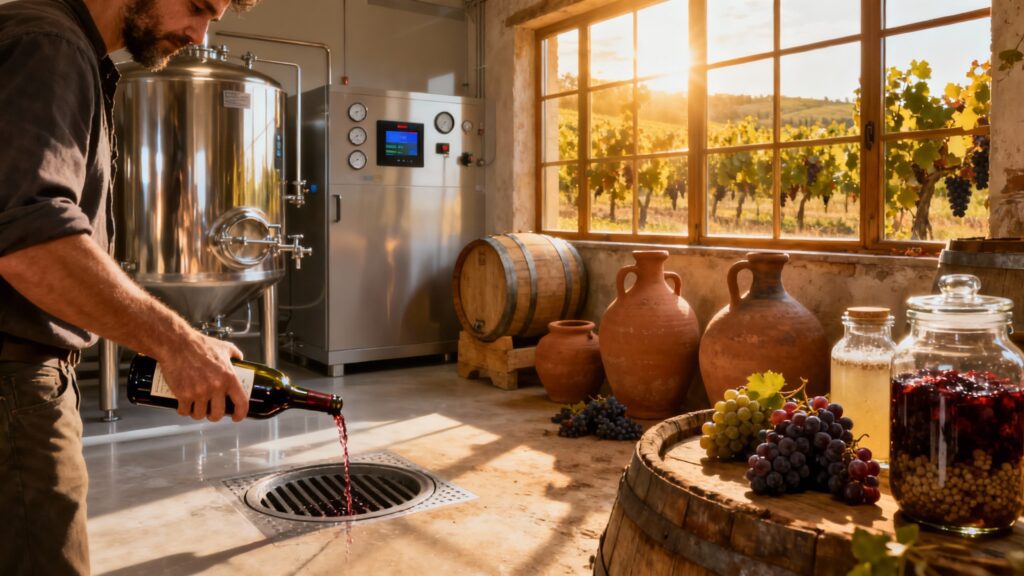
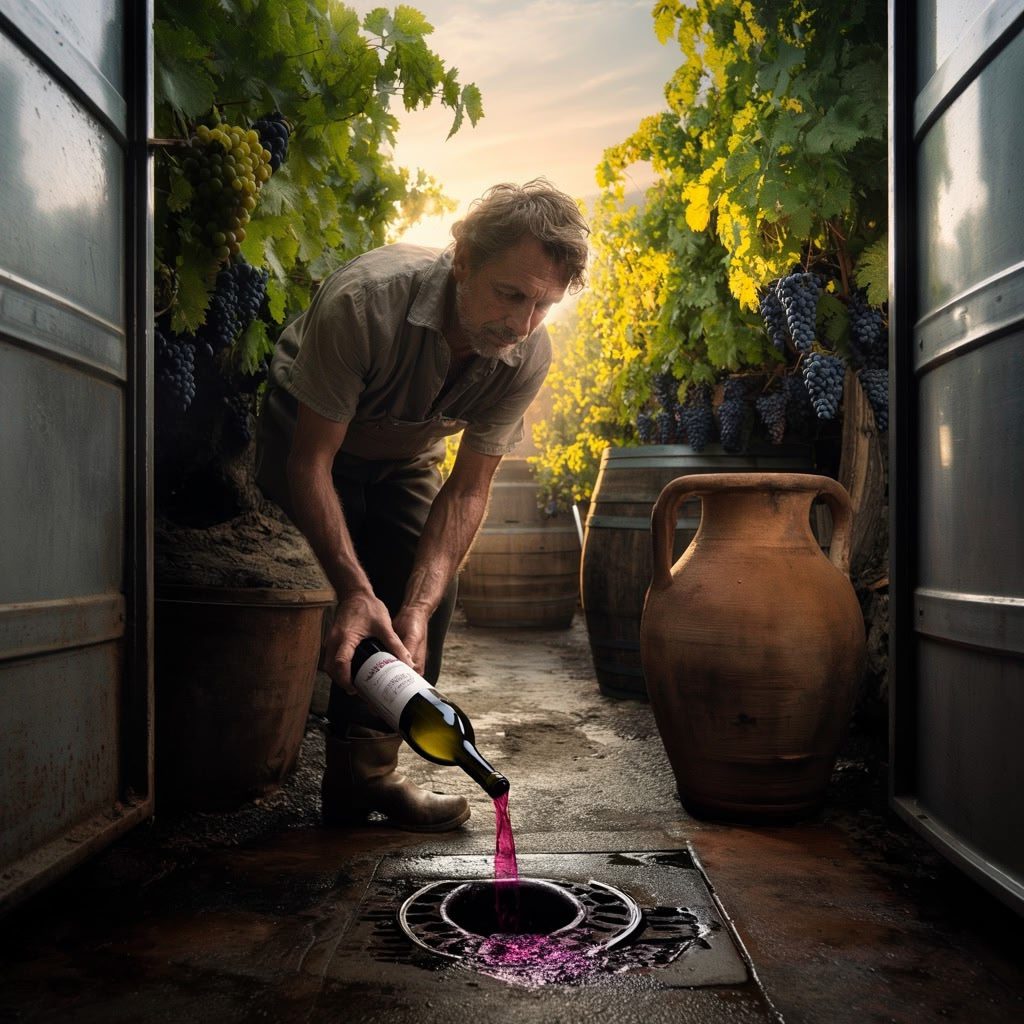
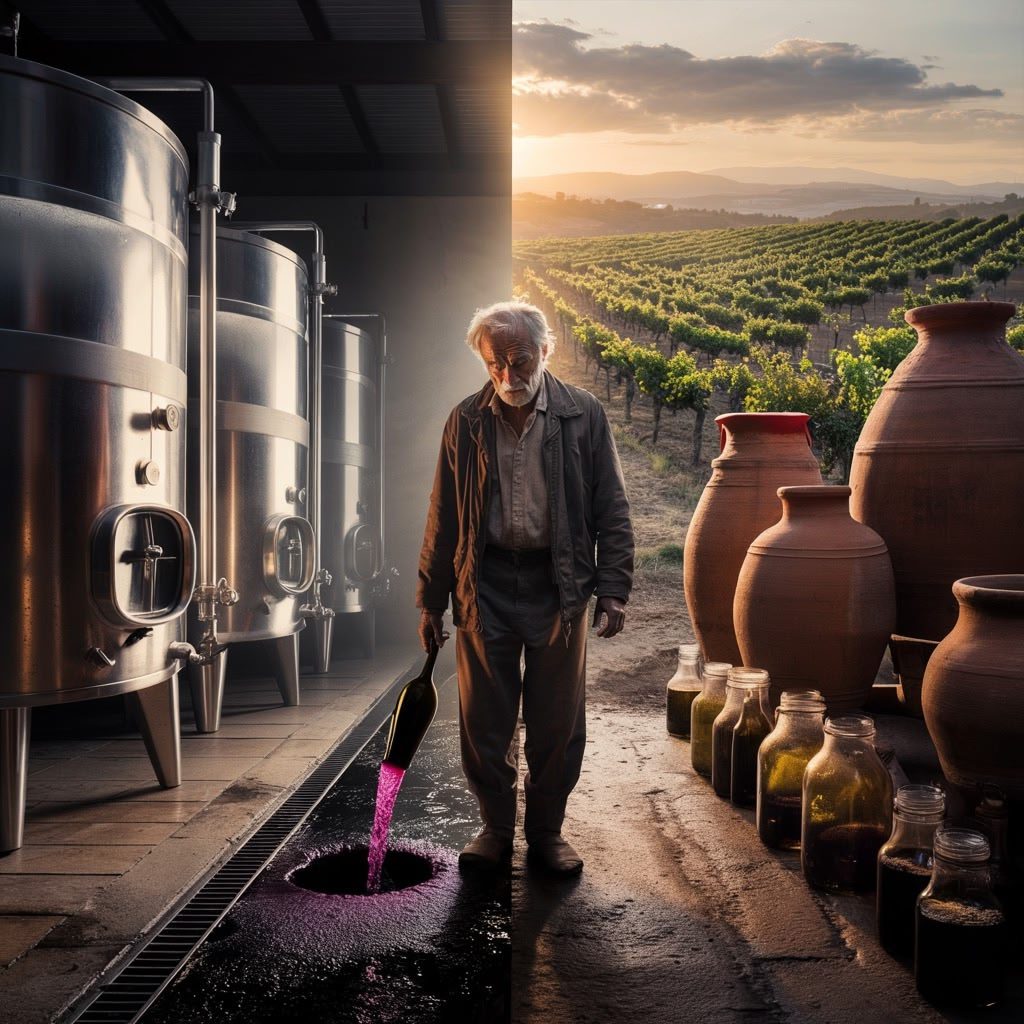
The morning I poured my last bottle of commercially-produced wine down the drain marked the end of everything I thought I knew about crafting exceptional vintages. That moment of rebellion against modern convenience would reshape not just my approach to winemaking, but my entire philosophy about authentic craftsmanship and the profound connection between tradition and excellence.
Standing in my sterile, stainless-steel filled facility, surrounded by temperature gauges and automated systems, I felt something profound was missing. The wine I produced was technically perfect, consistent, and profitable. Yet it lacked the soul that drew me to winemaking in the first place. The turning point came when I realized I had become a technician rather than an artisan, managing processes instead of nurturing transformation.
The Hollow Promise of Modern Efficiency
Modern winemaking seduces us with its promise of control and predictability. Advanced filtration systems, precise temperature regulation, and chemical additives guarantee consistent results batch after batch. The industry celebrates these innovations as progress, and for years, I believed this narrative wholeheartedly.
But efficiency came at a cost I hadn’t recognized. Each technological intervention created distance between me and the fundamental processes that transform simple grapes into something transcendent. The wine that emerged from my high-tech operation tasted remarkably similar to countless others produced using identical methods and additives.
This realization struck me during a particularly mundane day of monitoring automated fermentation tanks. I watched digital displays instead of observing the subtle changes in color, aroma, and texture that signal critical transitions. The technology that promised to enhance my craft had actually diminished my role in it, reducing me to a supervisor of machines rather than a curator of transformation.
Discovering the Wisdom of Ancient Methods
The journey toward Roman winemaking traditions began with a simple question: how did ancient vintners create wines so legendary that their reputations survived millennia without any modern technology? This inquiry led me deep into historical texts and archaeological discoveries that revealed sophisticated understanding of fermentation, aging, and flavor development.
Roman winemakers possessed intimate knowledge of their ingredients and processes that modern practitioners often overlook in favor of technological solutions. They understood that exceptional wine emerges from careful attention to natural rhythms rather than forcing predetermined outcomes through artificial means.
The Philosophy Behind Ancient Techniques
Ancient Roman fermentation methods emphasized working with natural processes rather than controlling them. This approach required deep observation skills and intuitive understanding of how environmental factors influence wine development. Roman vintners recognized that each batch possessed unique characteristics that demanded individual attention and adaptation.
This philosophy fundamentally contradicts modern industrial winemaking, which prioritizes standardization and repeatability above all else. Where contemporary methods seek to eliminate variables, ancient techniques embraced them as opportunities for creating distinctive character.
The Romans understood something we’ve largely forgotten: wine is a living system that responds to subtle environmental cues and human interaction. Their methods honored this reality rather than fighting against it through chemical intervention and mechanical control.
Traditional Wine Craftsmanship in Practice
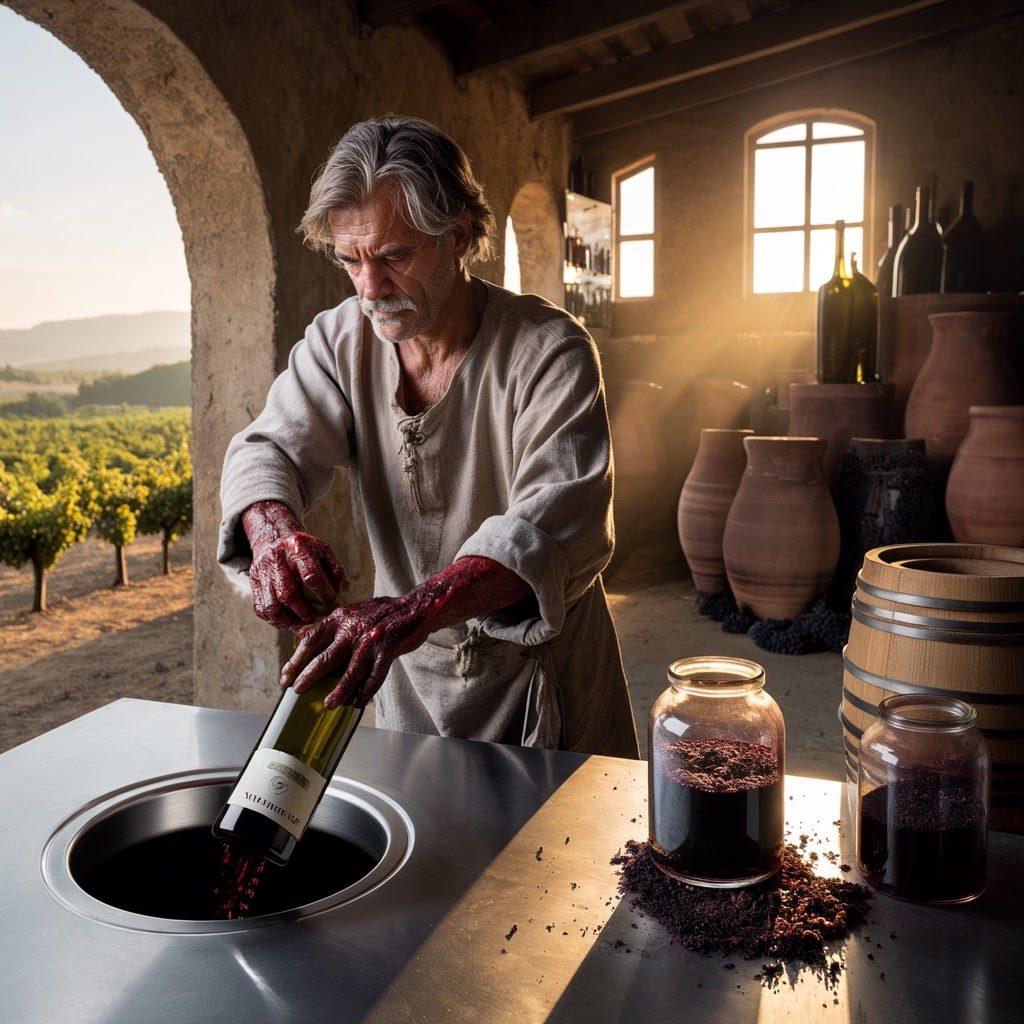
Implementing historical winemaking techniques required completely reimagining my approach to every aspect of production. Instead of relying on commercial yeasts, I began cultivating wild yeasts naturally present on grape skins and in the vineyard environment. This shift alone transformed the complexity and character of my wines in ways that artificial additives never could.
The fermentation process became a daily dialogue between vintner and wine. Ancient methods demand constant attention to subtle changes in aroma, appearance, and behavior that indicate optimal timing for each intervention. This intimate involvement replaced the detached monitoring of automated systems with active participation in the wine’s development.
Authentic Wine Production Through Natural Materials
Roman winemakers used clay vessels and wooden containers that interacted with the wine in beneficial ways. These natural materials allowed controlled oxygen exchange and subtle flavor development that stainless steel prevents. The porous nature of clay vessels creates micro-oxygenation that enhances complexity without the harsh effects of excessive air exposure.
Working with these traditional materials required developing new skills and sensitivities. The vessels themselves became partners in the winemaking process, contributing their own subtle influences to the final product. This collaboration between craftsperson, ingredients, and tools represents the essence of artisanal winemaking that industrialization has largely eliminated.
The transition also meant abandoning chemical stabilizers and preservatives in favor of natural preservation methods. Roman techniques achieved stability through careful timing, proper storage conditions, and understanding of natural preservation principles that modern chemistry has attempted to replace with artificial shortcuts.
The Transformation of Sensory Experience
Perhaps the most profound change came in how I experienced the winemaking process itself. Modern facilities maintain clinical environments that minimize sensory engagement beyond visual monitoring of gauges and displays. Ancient methods immerse the vintner in rich sensory feedback that guides decision-making at every stage.
The aroma of natural fermentation differs dramatically from chemically-assisted processes. Wild yeasts create complex bouquets that evolve throughout fermentation, providing constant information about the wine’s development. These natural scents become a language that experienced vintners learn to interpret with remarkable precision.
Developing Ancient Fermentation Methods
Working with traditional fermentation required developing sensitivity to temperature fluctuations, humidity changes, and seasonal rhythms that modern climate control systems mask. Ancient vintners timed their activities according to natural cycles, understanding that certain processes succeed better under specific conditions.
This approach demanded patience that contemporary commercial pressures often discourage. Natural fermentation proceeds at its own pace, creating opportunities for complexity development that rushed artificial processes cannot replicate. Learning to work within these natural timeframes became essential for achieving the depth and character that distinguishes exceptional wine.
The process also required developing physical skills that modern technology has made obsolete. Testing wine through taste and aroma rather than chemical analysis strengthened my palate and deepened my understanding of how various factors influence final flavor profiles.
Reconnecting with Essential Ingredients
Ancient winemaking methods stripped away the barriers that modern processing creates between vintner and ingredients. Working directly with grapes, without the mediation of complex machinery and chemical additives, revealed qualities and potential that technological intervention often obscures.
The grapes themselves began communicating information I had previously ignored. Variations in skin thickness, seed development, and natural yeast populations became valuable data points for making production decisions. This intimate knowledge of ingredients enabled creating wines that expressed specific vineyard characteristics rather than generic flavor profiles.
Classical Wine Traditions and Modern Results
The wines produced through ancient methods possessed qualities that surprised even my most optimistic expectations. The complexity achieved through natural processes far exceeded anything I had created using modern techniques and additives. Each bottle expressed unique characteristics that reflected specific conditions during its creation, making every vintage a distinct experience.
Friends and colleagues who tasted these traditionally-made wines immediately recognized their exceptional quality. The depth of flavor, natural balance, and distinctive character stood in stark contrast to the standardized products that dominate contemporary markets. These results validated the wisdom embedded in ancient practices that modern efficiency had abandoned.
The transformation extended beyond the wine itself to encompass my entire relationship with the craft. Working within natural rhythms and honoring traditional methods restored the sense of purpose and connection that had drawn me to winemaking originally. The process became a form of active meditation that engaged all my senses and skills simultaneously.
Lessons Beyond the Vineyard
This journey toward authentic wine production revealed principles that extend far beyond winemaking into any craft or profession where quality and meaning matter. The modern emphasis on efficiency and standardization often sacrifices the very qualities that make activities fulfilling and products exceptional.
Traditional approaches demand deeper engagement and longer-term perspective that contemporary commercial pressures frequently discourage. Yet this investment of time and attention creates rewards that shortcuts cannot replicate. The satisfaction of mastering complex skills and creating something truly distinctive provides meaning that automated processes cannot offer.
The Universal Appeal of Authentic Craftsmanship
Working with ancient methods revealed how much we lose when we prioritize convenience over craftsmanship. The modern world offers countless tools and technologies that promise to make our work easier and more efficient, but these advances often distance us from the essential elements that make activities meaningful and results exceptional.
The principles I discovered in ancient winemaking apply broadly to any field where human skill and judgment create value. Whether crafting food, building furniture, or developing software, the tension between efficiency and authenticity shapes both process and outcome. Understanding this dynamic empowers practitioners to make conscious choices about which values to prioritize.
The journey also highlighted how traditional knowledge often contains wisdom that modern approaches overlook in their rush toward innovation. Ancient practitioners developed their methods through centuries of experimentation and refinement, creating approaches that modern science is only beginning to understand and appreciate.
The Future of Traditional Techniques
Embracing ancient winemaking methods doesn’t mean rejecting all modern knowledge or tools. Instead, it involves carefully evaluating which innovations genuinely improve outcomes versus those that merely provide convenience at the expense of quality or meaning. This discernment requires deep understanding of both traditional principles and contemporary possibilities.
The goal is integration rather than wholesale adoption of either ancient or modern approaches. Selective application of traditional techniques can enhance contemporary practices while preserving the efficiency and safety benefits that appropriate technology provides. This balanced approach honors historical wisdom while remaining practical for current conditions.
The growing interest in artisanal products and authentic experiences suggests that many people recognize what industrial processes sacrifice in their pursuit of efficiency and cost reduction. This awareness creates opportunities for practitioners who choose depth over speed and quality over quantity.
My transformation from modern efficiency to ancient authenticity represents more than a change in winemaking technique. It embodies a fundamental shift in values from prioritizing convenience and consistency toward embracing complexity and character. This journey revealed that the most meaningful work often requires accepting uncertainty and investing patience in natural processes.
The wines I create now express something that technological intervention cannot replicate: the dialogue between human skill, natural ingredients, and time-tested methods that produces truly exceptional results. Each bottle represents not just fermented grape juice, but a commitment to craftsmanship that honors both tradition and individual creativity.
This experience taught me that authentic excellence requires more than following prescribed procedures or utilizing advanced equipment. It demands developing sensitivity to subtle cues, patience with natural rhythms, and willingness to engage deeply with materials and processes. These qualities, once essential to all crafts, remain valuable even in our technologically advanced world.
For anyone feeling disconnected from their work or sensing that modern methods lack something essential, exploring traditional approaches might reveal forgotten wisdom that enhances both process and outcome. The path toward authenticity requires courage to abandon familiar conveniences, but the rewards extend far beyond improved products to encompass renewed purpose and deeper satisfaction with the craft itself.
Consider what aspects of your own work might benefit from ancient wisdom disguised as outdated methods. The journey toward authentic craftsmanship begins with questioning whether efficiency always serves excellence, and whether convenience might sometimes cost more than it provides. The answers might surprise you as much as they transformed my understanding of what exceptional wine truly means.


