Imagine opening your pantry months after harvest and finding meat as fresh as the day it was prepared, vegetables that burst with flavor, and dairy products that have only improved with time. This wasn’t fantasy for the Romans—it was everyday reality. While we depend on refrigeration and chemical preservatives, ancient Romans mastered food preservation techniques so effective they sustained an empire across three continents for over a thousand years.
The Roman Empire’s success wasn’t built solely on military might or political strategy. Their sophisticated understanding of natural preservation methods enabled them to feed massive armies on year-long campaigns, establish trade routes spanning continents, and maintain food security during harsh winters and failed harvests. These time-tested techniques didn’t require electricity, complex equipment, or synthetic chemicals—just an understanding of natural processes that modern science has only recently begun to fully appreciate.
Today, as concerns about food waste, sustainability, and self-sufficiency grow, these ancient methods offer remarkable solutions. The same principles that kept Roman soldiers fed during the conquest of Gaul can help modern households reduce grocery bills, minimize food waste, and achieve greater food independence. The beauty lies not just in their effectiveness, but in their simplicity and accessibility to anyone willing to learn.

The Foundation of Roman Food Preservation Mastery
The Romans understood something we’ve largely forgotten in our modern rush toward convenience: preservation isn’t just about preventing spoilage—it’s about transformation. Their methods didn’t simply maintain food; they often enhanced flavor, nutritional value, and digestibility. This philosophical approach to food storage created techniques that served multiple purposes: extending shelf life, improving taste, and supporting health during long periods without fresh ingredients.
Roman preservation methods were built on four fundamental principles that remain scientifically sound today. The first principle involved controlling moisture to prevent bacterial growth. The second focused on creating hostile environments for harmful microorganisms through pH manipulation. The third principle centered on beneficial fermentation that introduced protective bacteria. The fourth involved physical barriers that blocked air and contaminants from reaching food.
These principles worked in harmony, often within single preservation methods. When Romans salt-cured meat, they weren’t just removing moisture—they were creating an environment where beneficial bacteria could thrive while harmful organisms couldn’t survive. This multi-layered approach explains why Roman preservation techniques were so remarkably effective and why they remain relevant for modern food storage needs.
Salt Curing: The Empire’s Secret Weapon
Salt wasn’t just a seasoning in Roman culture—it was so valuable that soldiers were sometimes paid in salt, giving us the word “salary.” Romans developed salt curing techniques that could preserve meat for months or even years, enabling their armies to carry protein-rich rations across vast distances without spoilage concerns.
The Roman approach to salt curing involved far more sophistication than simply coating meat with salt. They understood the importance of salt types, application methods, and timing. Coarse salt drew moisture from meat quickly, while finer salt penetrated deeper into tissues. They learned to combine different salt types and apply them in specific sequences to achieve optimal preservation results.
The Traditional Roman Salt-Curing Process began with selecting proper cuts of meat—typically those with good fat distribution that could withstand the curing process. The meat was first cleaned and scored lightly to allow salt penetration. A mixture of coarse and fine salt, often combined with herbs like rosemary or thyme, was then applied generously to all surfaces.
The curing environment played a crucial role in success. Romans sought cool, dry spaces with good air circulation—conditions that prevented unwanted bacteria growth while allowing beneficial curing processes to occur. The meat was regularly turned and monitored, with additional salt applied as needed when moisture appeared on surfaces.
Modern applications of Roman salt-curing principles can transform any kitchen into a preservation center. The same techniques that preserved meat for Roman legions work beautifully for modern homesteaders seeking to reduce dependence on refrigeration. Properly salt-cured meats develop complex flavors while achieving shelf stability that puts commercial processed meats to shame.
Understanding Salt’s Preservation Power
Salt preserves food through osmotic pressure, drawing moisture from both food and harmful bacteria. This dehydration process creates an environment where spoilage organisms cannot survive, while the salt itself provides antimicrobial properties. Romans intuitively understood these principles, developing applications that maximized salt’s effectiveness while minimizing the amount needed.
The key to successful salt curing lies in achieving proper salt-to-moisture ratios throughout the preservation process. Too little salt allows spoilage bacteria to survive, while too much salt can over-cure food, making it unpalatable. Romans learned to gauge these ratios through experience, developing techniques that consistently produced excellent results.

Fermentation: Ancient Biotechnology at Work
Long before scientists understood microbiology, Romans harnessed the power of beneficial bacteria and yeasts to preserve food through fermentation. Their fermented foods provided probiotics that supported digestive health during long campaigns and harsh winters when fresh foods weren’t available.
Roman fermentation techniques transformed simple ingredients into complex, flavorful foods with extended shelf lives. Vegetables became tangy, nutritious condiments that could last for months. Dairy products developed into aged cheeses with incredible depth of flavor. Grains became fermented porridge that provided sustained energy and improved digestibility.
The genius of Roman fermentation lay in their understanding of environmental control. They knew that temperature, moisture, and time worked together to encourage beneficial fermentation while preventing harmful spoilage. Cool cellars provided consistent temperatures, while proper containers ensured anaerobic conditions that favored beneficial bacteria over harmful organisms.
Traditional Roman Vegetable Fermentation began with selecting fresh, high-quality vegetables at peak ripeness. Vegetables were cleaned, chopped or shredded as needed, then combined with salt to create initial brining conditions. The salt drew moisture from vegetables while beginning the preservation process.
Romans understood the importance of weighted fermentation, using stones or other heavy objects to keep vegetables submerged under their own juices. This anaerobic environment prevented mold growth while encouraging beneficial lactic acid bacteria to proliferate. The resulting fermentation created preservative acids while developing complex flavors that enhanced rather than masked the original vegetable tastes.
Modern fermentation enthusiasts can apply these Roman principles to create probiotic-rich foods that support health while reducing food waste. The same techniques that fed Roman armies can help contemporary households develop sustainable food storage systems that improve both nutrition and flavor.
The Science Behind Fermentation Success
Fermentation works by encouraging beneficial bacteria to consume sugars in food, producing lactic acid and other compounds that preserve food naturally. This acidic environment prevents harmful bacteria growth while creating complex flavors and improved nutritional profiles. Romans mastered this process through careful observation and consistent application of proven techniques.
Successful fermentation requires attention to salt concentration, temperature control, and oxygen exclusion. Romans developed containers and techniques that optimized these conditions, creating fermented foods that remained stable and delicious for extended periods without refrigeration.

Oil Preservation: Creating Protective Barriers
Romans discovered that high-quality oils could create impermeable barriers that protected food from air and contaminants while adding flavor and nutritional value. Oil preservation techniques allowed them to store everything from vegetables to cheeses for months while maintaining both quality and taste.
The Roman approach to oil preservation involved understanding different oil types and their preservation properties. Olive oil, abundant throughout the Mediterranean, became their preferred preservation medium due to its stability and antimicrobial properties. They learned that oil quality directly affected preservation success, leading them to use only the finest oils for food storage.
Traditional Roman Oil Preservation required careful preparation of both the food and the storage containers. Foods were typically blanched or lightly cooked to remove surface bacteria and excess moisture before being submerged in oil. Containers were sterilized and sealed to prevent contamination while ensuring complete oil coverage of preserved foods.
Romans often combined oil preservation with other techniques for enhanced effectiveness. Vegetables might be lightly salted before oil immersion, while cheeses were aged briefly before being stored in oil. These combination approaches created multiple preservation barriers that significantly extended food storage life while developing complex, desirable flavors.
Modern applications of Roman oil preservation can transform seasonal abundance into year-round food security. The same principles that allowed Romans to enjoy summer vegetables throughout winter can help contemporary households reduce food waste while creating gourmet preserved foods that rival expensive commercial alternatives.
Selecting Oils for Optimal Preservation
Not all oils provide equal preservation benefits. Romans preferred olive oil for its stability and natural antimicrobial properties, but they also used other oils based on availability and specific preservation needs. The key lies in understanding oil characteristics and matching them to preservation goals.
Quality matters significantly in oil preservation. Fresh, high-quality oils provide better protection and flavor than older or processed oils. Romans understood this principle, often using their finest oils for preservation while reserving lower grades for cooking and other purposes.
Combining Methods for Maximum Effectiveness
The true genius of Roman food preservation lay not in individual techniques, but in their sophisticated understanding of how different methods could work together. Combination preservation created multiple barriers to spoilage while developing complex flavors that often surpassed fresh foods in both taste and nutritional value.
Romans frequently combined salt curing with smoking, fermentation with oil storage, and drying with spice treatments. These layered approaches created foods that could withstand extreme conditions while remaining delicious and nutritious. A piece of meat might be salt-cured, then smoked, and finally stored in oil—creating multiple preservation barriers that ensured long-term stability.
Understanding combination preservation requires recognizing how different techniques complement each other. Salt removes moisture while creating antimicrobial conditions. Fermentation introduces beneficial bacteria that outcompete harmful organisms. Oil creates physical barriers that prevent contamination. When used together, these methods create preservation systems more effective than any single technique alone.
Modern practitioners can apply these combination principles to create comprehensive food preservation systems that reduce dependence on refrigeration while improving food quality. The same integrated approaches that sustained Roman civilization can help contemporary households achieve greater food security and reduced waste.
Practical Applications for Modern Life
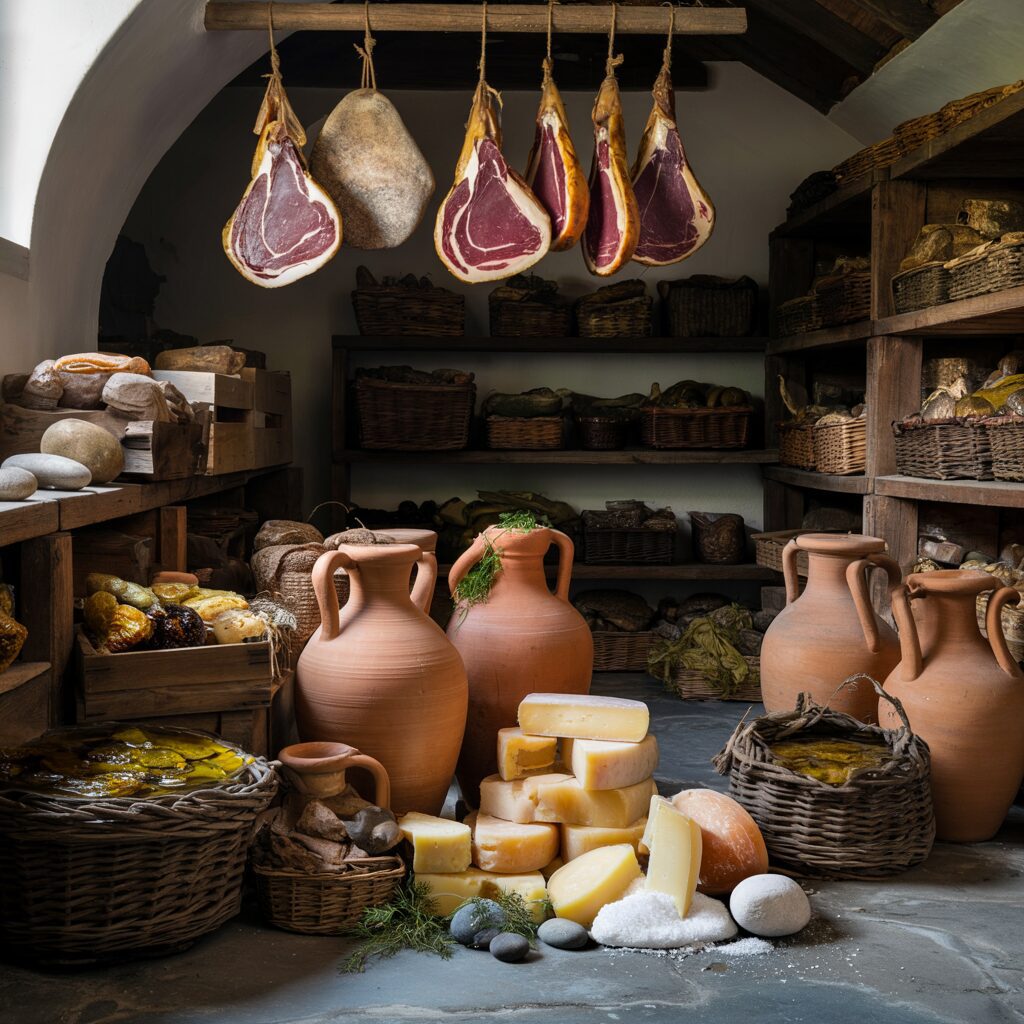
These ancient Roman techniques translate remarkably well to modern kitchens and homesteads. Contemporary practitioners don’t need specialized equipment or hard-to-find ingredients—just an understanding of fundamental principles and willingness to embrace traditional methods that have proven their effectiveness over centuries.
Starting with Roman preservation methods requires focusing on one technique until mastery develops, then gradually expanding to combination approaches. Salt curing offers an excellent beginning point because it requires minimal equipment while providing dramatic results. Success with basic salt curing builds confidence and understanding that supports more complex preservation projects.
Modern Roman-Style Preservation begins with understanding your local environment and available ingredients. Romans adapted their techniques to local conditions and resources, and modern practitioners should do the same. Cool basements can substitute for Roman cellars, while local salts and oils can provide the basic materials needed for effective preservation.
Quality ingredients remain as important today as they were in Roman times. Starting with fresh, high-quality foods ensures preservation success while creating end products that justify the time and effort invested. Poor-quality starting materials rarely produce satisfactory preserved foods, regardless of technique perfection.
Practice and observation drive preservation mastery. Romans developed their expertise through generations of trial and refinement, carefully observing what worked and what didn’t. Modern practitioners can accelerate this learning process by starting with small batches and keeping detailed records of techniques, timing, and results.
Creating Your Roman Preservation Pantry
Building a Roman-style preservation system starts with gathering basic materials and creating proper storage environments. Salt, high-quality oils, and fermentation containers form the foundation, while cool, dry storage spaces provide the environmental conditions needed for success.
Begin with simple projects that build skills and confidence. Salt-cured herbs, oil-preserved vegetables, or basic fermented foods provide excellent starting points that require minimal investment while delivering impressive results. Success with these foundational techniques creates the knowledge base needed for more complex preservation projects.
The Sustainability Connection
Roman preservation methods offer remarkable environmental benefits compared to modern refrigeration-dependent food systems. These techniques require no electricity, produce no refrigerant emissions, and often improve nutritional value rather than degrading it over time. They represent truly sustainable approaches to food storage that align with growing environmental consciousness.
Traditional preservation methods also reduce food waste by extending storage life and creating appealing preserved foods from ingredients that might otherwise spoil. Romans viewed food preservation as essential household management, not optional convenience—an attitude that modern households can adopt to reduce waste and improve food security.
The energy efficiency of Roman preservation techniques becomes particularly compelling when considered over extended periods. While initial preparation requires time and attention, properly preserved foods require no ongoing energy input for storage, making them remarkably sustainable compared to refrigerated alternatives.
Understanding these sustainability benefits helps modern practitioners appreciate Roman preservation methods as more than historical curiosities—they represent practical solutions to contemporary environmental and economic challenges while providing superior food quality and security.
Mastering the Roman Approach
Success with Roman preservation methods requires embracing their holistic approach to food storage. Romans didn’t just preserve food—they transformed it into something often superior to the original. This transformation mindset separates traditional preservation from mere storage, creating foods that improve with time rather than simply maintaining freshness.
Patience plays a crucial role in Roman preservation success. These methods work on natural timelines that can’t be rushed without compromising results. Romans understood that proper preservation required allowing natural processes to unfold completely, creating foods that rewarded patience with exceptional quality and longevity.
The Roman preservation philosophy emphasized quality over quantity, technique over convenience. They invested significant time and attention in preservation because they understood the long-term benefits of properly stored food. Modern practitioners who adopt this quality-focused approach consistently achieve superior results compared to those seeking shortcuts or compromises.
Learning Roman preservation methods connects us to thousands of years of human ingenuity and experience. These techniques represent accumulated wisdom about working with natural processes to create food security and culinary excellence. Mastering them provides both practical benefits and deep satisfaction that comes from connecting with traditional skills and knowledge.
Your Path to Roman Preservation Mastery
The Romans built an empire that lasted over a thousand years, sustained by food preservation techniques so effective they kept armies fed across continents and civilians nourished through harsh winters. Their methods required no electricity, no chemical additives, and no complex equipment—just understanding of natural processes and commitment to proven techniques.
These same methods can transform your approach to food storage, reducing waste while improving quality and flavor. Whether you’re interested in sustainable living, emergency preparedness, or simply creating exceptional preserved foods, Roman preservation techniques offer time-tested solutions that modern science confirms are both effective and beneficial.
The choice to embrace these ancient methods represents more than adopting new food storage techniques—it’s a decision to connect with sustainable practices that honor both tradition and environmental responsibility. Roman preservation methods offer independence from industrial food systems while creating foods that often surpass commercial alternatives in both quality and nutritional value.
Start with one technique that appeals to you most. Master it through practice and observation. Then gradually expand your preservation repertoire, building the skills and confidence that will transform your relationship with food storage forever. The Romans proved these methods work—now it’s your turn to experience their remarkable effectiveness.
What Roman preservation technique will you try first? Which of these ancient methods could solve your biggest food storage challenges? The path to mastery begins with a single step, but the journey leads to food security, reduced waste, and culinary discoveries that will enrich your kitchen for years to come.


