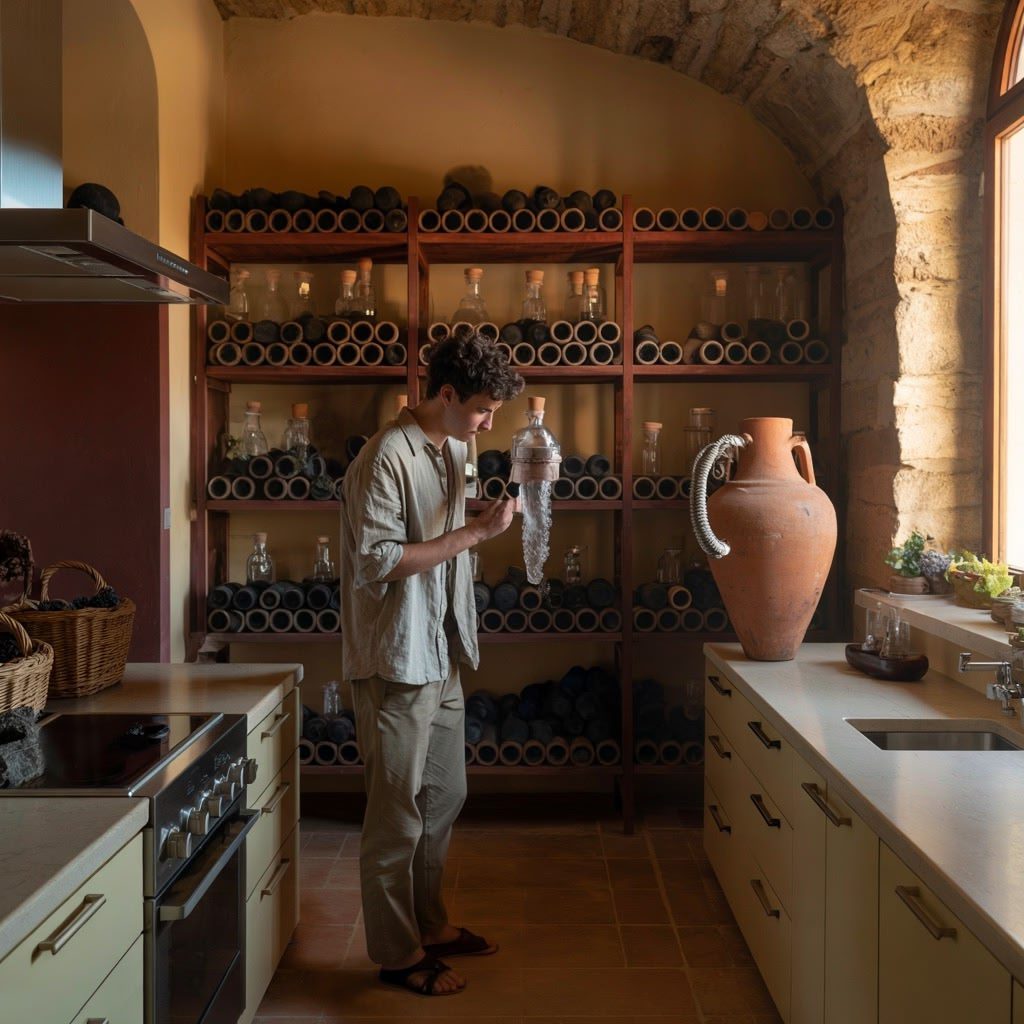
Picture walking into your kitchen each morning, not just to brew coffee, but to check on fermenting wines that would make a Roman vintner proud. The dream of creating wines using time-honored techniques doesn’t require abandoning modern convenience or transforming your home into a museum. Instead, it’s about discovering how ancient Roman winemaking wisdom can flourish within contemporary spaces, creating a harmonious blend of tradition and innovation that enriches both your culinary journey and your connection to history.
The allure of Roman winemaking extends far beyond mere nostalgia. These ancient techniques represent thousands of years of refined knowledge about fermentation, aging, and flavor development. When you transform your modern kitchen into a Roman wine laboratory, you’re not just making wine—you’re participating in a living tradition that connects you to generations of craftspeople who understood that great wine emerges from patience, respect for natural processes, and attention to detail.
The Foundation: Understanding Roman Winemaking Philosophy
Before diving into the practical aspects of kitchen transformation, it’s essential to grasp the underlying principles that guided Roman vintners. Their approach centered on working with natural processes rather than fighting them, creating environments that supported fermentation while maintaining control over variables like temperature, airflow, and contamination.
Roman winemakers understood that wine creation was both art and science. They developed techniques for managing fermentation temperatures, preventing spoilage, and aging wines to peak flavor. These principles remain sound today, and your modern kitchen already contains many tools that can support these traditional methods when adapted thoughtfully.
The key insight is that Roman winemaking techniques focused on creating stable, controlled environments using available materials and natural processes. This approach translates perfectly to modern kitchens, where consistent temperatures, clean surfaces, and organized storage already exist.

Space Planning: Maximizing Your Kitchen’s Wine Laboratory Potential
The transformation begins with understanding how to optimize your existing kitchen space for traditional wine methods. Roman winemakers worked within physical constraints, just as modern home enthusiasts must work within the boundaries of contemporary living spaces.
Creating Dedicated Fermentation Zones
Your kitchen likely already contains ideal fermentation areas without you realizing it. The space beneath counters, particularly areas away from direct heat sources, can serve as excellent fermentation chambers. These zones naturally maintain more stable temperatures and provide protection from light—two critical factors in successful wine fermentation.
Consider the area near your kitchen island or the space adjacent to your pantry. These locations typically experience less temperature fluctuation than areas near ovens or windows, making them perfect for housing fermentation vessels. The goal is identifying spaces that remain consistently cool and dark, mimicking the conditions Romans created in their wine cellars.
Storage Solutions for Traditional Equipment
Roman winemaking required specific tools and vessels, and your modern kitchen can accommodate these beautifully when you think creatively about storage solutions. Traditional clay amphorae or modern equivalents can be stored on lower shelves or in dedicated cabinet spaces, while smaller tools integrate seamlessly with existing kitchen utensils.
The secret is thinking vertically and utilizing underused spaces such as the areas above refrigerators or in deep pantry corners. These spaces often provide the stable, slightly cooler environment ideal for wine storage and aging.

Equipment Integration: Blending Ancient Tools with Modern Convenience
The beauty of transforming your kitchen into a Roman wine laboratory lies in how traditional techniques enhance rather than replace modern functionality. Your existing appliances become powerful allies in recreating ancient processes with contemporary precision.
Temperature Control Systems
Romans managed fermentation temperatures through careful placement and environmental awareness. Your modern kitchen offers even greater control through strategic use of existing appliances and spaces. The consistent temperature zones created by your refrigerator’s ambient heat or the stable environment near your dishwasher can provide excellent fermentation conditions.
Your oven, when turned off, creates a draft-free environment perfect for primary fermentation stages. Many modern ovens maintain a slightly warm environment from pilot lights or residual heat, providing ideal conditions for beginning the fermentation process.
Sanitation and Safety
Roman winemakers understood the critical importance of cleanliness, and your modern kitchen provides superior tools for maintaining sanitary conditions. Your dishwasher becomes an invaluable sterilization tool, your sink offers multiple cleaning stations, and your existing cleaning supplies support the rigorous sanitation standards necessary for successful winemaking.
The integration of modern safety measures with traditional techniques creates an environment where ancient wisdom meets contemporary food safety standards. This combination ensures both authentic results and peace of mind throughout the winemaking process.
The Aesthetic Journey: Maintaining Modern Appeal While Honoring Tradition
One of the most rewarding aspects of creating a Roman wine laboratory in your kitchen is discovering how traditional elements can enhance rather than detract from modern aesthetic appeal. The key lies in selecting equipment and storage solutions that complement your existing design while serving their functional purpose.
Traditional fermentation vessels, whether clay amphorae or modern equivalents, can become stunning focal points when displayed thoughtfully. These pieces serve as conversation starters while actively participating in the winemaking process, creating a kitchen that tells a story through both form and function.
The visual impact of traditional winemaking equipment adds character and depth to modern kitchens, creating spaces that feel both contemporary and timeless. This dual nature reflects the essence of Roman winemaking techniques adapted for modern life.

Process Integration: Daily Rhythms of Ancient Craftsmanship
Transforming your kitchen into a Roman wine laboratory isn’t just about equipment and space—it’s about embracing rhythms and practices that connect you to historical traditions while fitting seamlessly into contemporary life.
Morning Rituals and Wine Tending
Romans understood that great wine required daily attention, and this principle transforms your morning kitchen routine into something deeper and more meaningful. Checking fermentation progress becomes as natural as starting your coffee, creating a moment of mindfulness that begins each day with purpose and connection to tradition.
These daily check-ins provide opportunities to engage with natural processes, observing subtle changes that indicate successful fermentation and learning to read the signs that guided ancient winemakers. Your kitchen becomes a classroom where traditional knowledge comes alive through direct experience.
Seasonal Awareness and Planning
Roman winemaking followed natural cycles, and integrating this awareness into your kitchen laboratory creates deeper appreciation for seasonal rhythms. Your modern kitchen can support different stages of the winemaking process throughout the year, with temperature variations and natural cycles becoming allies rather than obstacles.
Understanding these seasonal patterns helps you plan fermentation schedules that work with rather than against natural conditions, creating wines that truly reflect the harmony between ancient wisdom and contemporary living.
Building Your Craft: From Novice to Confident Vintner
The journey from inspiration to implementation requires patience, curiosity, and willingness to learn from both success and failure. Roman winemakers developed their expertise over years of observation and adjustment, and your kitchen laboratory provides the perfect environment for this same learning process.
Start with simple projects that build confidence while teaching fundamental principles. Each batch of wine teaches lessons about timing, temperature control, and the subtle variables that influence final results. Your modern kitchen provides the consistency and control that makes learning these traditional techniques both achievable and enjoyable.
The beauty of this approach lies in how each project builds upon previous experience, creating a deepening understanding of both ancient techniques and your own creative capabilities. Your kitchen becomes a laboratory where theoretical knowledge transforms into practical skill through direct engagement with traditional processes.
The Deeper Connection: History Alive in Your Home
Perhaps the most profound aspect of transforming your kitchen into a Roman wine laboratory is the connection it creates to history and tradition. Every time you check fermentation progress or taste developing wine, you participate in practices that have connected humans to the land and to each other for millennia.
This connection extends beyond individual satisfaction to include family and community. Your kitchen becomes a gathering place where stories are shared, traditions are passed down, and the ancient art of winemaking continues its journey through time. Friends and family members become part of the experience, learning alongside you and sharing in the satisfaction of creating something meaningful with your own hands.
The wines you create carry stories—of your learning process, your kitchen laboratory, and your connection to ancient traditions. Each bottle becomes a tangible reminder of the journey from inspiration to accomplishment, representing both personal growth and participation in timeless human creativity.
Your Path Forward: Embracing Ancient Wisdom in Modern Life
Transforming your modern kitchen into a Roman wine laboratory represents more than a hobby or home improvement project—it’s an opportunity to enrich your daily life with meaningful tradition while creating something uniquely your own. The techniques you learn and the wines you create become part of your personal story, connecting you to history while building skills and knowledge that last a lifetime.
The journey begins with a single decision to explore how ancient wisdom can enhance contemporary living. Your kitchen already contains most of what you need; the transformation happens through perspective, planning, and willingness to embrace traditional techniques within modern constraints.
Imagine opening a bottle of wine you created using methods that would be familiar to a Roman vintner, served in your contemporary kitchen to friends and family who understand the story behind every sip. This vision becomes reality through careful planning, patient learning, and respect for both traditional techniques and modern safety standards.
Your kitchen transformation awaits, offering the opportunity to blend ancient craftsmanship with contemporary convenience, creating wines and memories that honor both past wisdom and future possibilities. The first step is simply beginning, allowing curiosity and respect for tradition to guide your journey from modern cook to traditional craftsperson, all within the familiar comfort of your own home.
What story will your Roman wine laboratory tell? The answer lies in your willingness to transform ordinary space into extraordinary possibility, one careful step at a time.


