This guide offers a glimpse into notable wine grape varietals, each with unique origins and characteristics. For example, Agiorgitiko from Greece can produce everything from rosés to full-bodied reds, while Aglianico is revered in Southern Italy for its savory flavors that deepen with age. Airén stands out as Spain’s most planted grape, primarily used for brandy, whereas Albariño (or Alvarinho) delights with its bright acidity in white wines. Other interesting varietals include the rare Alicante Bouschet from France and the age-worthy Arinto from Portugal. Each grape plays a vital role in the rich tapestry of global winemaking, making exploration truly rewarding.

Agiorgitiko: A Taste of Greece
Agiorgitiko is a remarkable grape varietal that hails from Greece, particularly known for its versatility in winemaking. It can produce a wide range of styles, from fragrant rosés to deep, full-bodied reds. The most notable examples of Agiorgitiko come from the Nemea region, where the grape thrives in the sun-drenched vineyards. Wines made from Agiorgitiko typically exhibit rich flavors of dark fruits like cherry and plum, along with layers of spice and earthiness. This grape is also known for its smooth tannins and refreshing acidity, making it a delightful choice for various occasions. Whether paired with grilled meats or enjoyed on its own, Agiorgitiko offers a taste of Greece that is both complex and approachable.
Aglianico: The King of Southern Italy

Aglianico is often hailed as the “king” of Southern Italy, particularly thriving in regions like Campania and Basilicata. This red grape is renowned for its bold character, producing wines that are rich, full-bodied, and complex. Aglianico wines often exhibit unique savory flavors, with notes of dark fruits, leather, and earthy spices, making them an excellent choice for aging. The tannins can be quite firm when young, but they soften beautifully over time, revealing a more elegant profile. Examples of notable Aglianico wines include Taurasi and Aglianico del Vulture, both of which showcase the grape’s ability to convey the terroir of its volcanic soil. Food pairings with Aglianico are diverse, complementing hearty dishes like braised meats, rich pasta sauces, and aged cheeses.
Airén: Spain’s Most Planted Grape

Airén is the most widely planted grape in Spain, thriving mainly in the warm, dry regions of Castilla-La Mancha. This white grape is primarily used for producing brandy, especially in the popular Spanish spirit known as Pisco. While it may not be as celebrated as other varietals, Airén plays a crucial role in the Spanish wine industry, contributing significantly to the production of both wines and spirits.
The grape is known for its resilience and ability to adapt to various climates, which makes it a favorite among growers. In terms of flavor, Airén typically offers light, crisp characteristics, often with a hint of citrus and floral notes. While it’s less common to find high-quality varietal wines made solely from Airén, it can be blended with other grapes to enhance complexity. Its versatility and practicality in winemaking ensure that Airén remains an essential part of Spain’s viticultural landscape.
- Widely grown in La Mancha region
- Known for producing dry white wines
- Often blended with other varietals
- Has high yields and good resistance to diseases
- Low acidity, making it easy to drink
- Valuable for producing both quality wines and bulk wines
- Features flavors of stone fruits and herbs
Albariño: Bright and Zesty

Albariño, also known as Alvarinho, is a vibrant white grape variety that hails from the coastal regions of Spain and Portugal, particularly the Rías Baixas region in Galicia. This grape is celebrated for its bright acidity and zesty flavors, making it a favorite for refreshing white wines. Albariño typically offers notes of citrus fruits like lemon and grapefruit, along with stone fruits such as peach and apricot. Its crispness is often complemented by a subtle salinity, a nod to its maritime origins.
The wine produced from Albariño is known for its aromatic profile, often showcasing floral hints of jasmine and orange blossom. It’s a versatile grape that pairs wonderfully with seafood, making it an ideal choice for dishes like grilled octopus or shrimp tacos. Additionally, Albariño can be enjoyed on its own as a refreshing aperitif, especially during warmer months. Some producers are experimenting with aging Albariño in oak barrels, which adds complexity and depth, resulting in wines that can age beautifully while still retaining their signature brightness.
Alicante Bouschet: The Rare Teinturier
Alicante Bouschet is a unique red grape variety known as a teinturier, which means it has both red skins and red flesh. This characteristic sets it apart from most other grape varieties, which typically have clear juice. Originating in France, it was created in the 1860s by crossing Grenache with Petit Bouschet. Alicante Bouschet is valued for its deep color, rich flavor, and ability to produce full-bodied wines. It’s often used in blends but can also stand alone, offering dark fruit flavors, spice, and a hint of earthiness. While not as widely planted as other varietals, it has gained a following, particularly in regions like California and Portugal, where it is sometimes used to add depth and complexity to red blends.
Aligoté: Light and Citrusy

Aligoté is a white grape varietal that hails from the Burgundy region of France. Known for its light body and refreshing acidity, Aligoté wines often exhibit citrus flavors, particularly lemon and green apple, making them vibrant and easy to enjoy. Unlike its more famous counterpart, Chardonnay, Aligoté is less full-bodied and offers a more straightforward fruit profile. It’s traditionally used in the classic French cocktail called Kir, where it’s mixed with crème de cassis, enhancing its fruity character. The grape thrives in cooler climates, which helps retain its acidity, providing a crisp finish that pairs well with seafood, salads, and lighter dishes. Aligoté may not be as widely recognized as other varietals, but its charm lies in its simplicity and the refreshing experience it offers.
Arinto: Age-Worthy Whites from Portugal
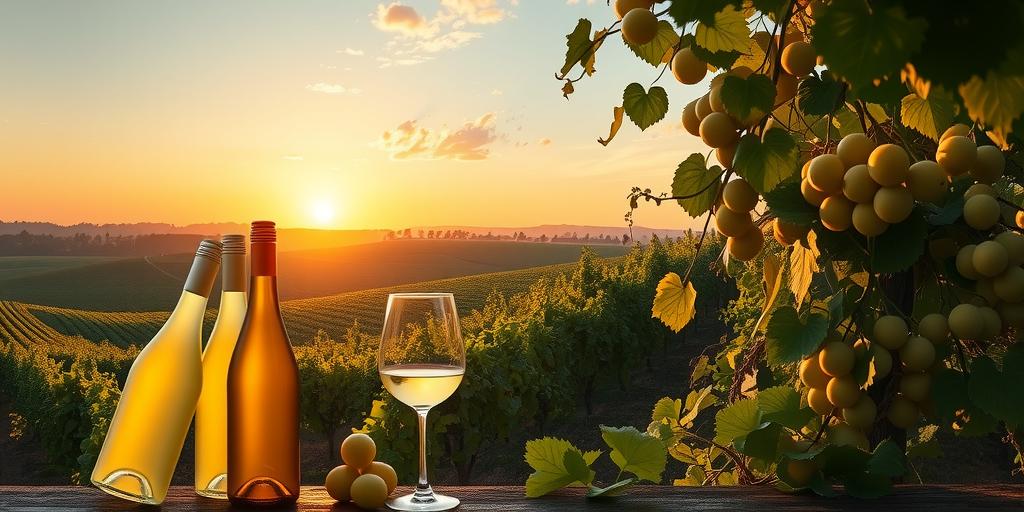
Arinto is a notable white grape varietal originating from Portugal, highly regarded for its ability to produce age-worthy wines. This grape thrives in the diverse climates of Portugal, particularly in regions like Bucelas and the Alentejo. Arinto wines are celebrated for their vibrant acidity, which provides a crisp and refreshing profile. Flavor-wise, they often exhibit complex notes of beeswax, citrus, and nuts, making them unique and intriguing.
One of the distinctive features of Arinto is its aging potential. Unlike many white varietals, Arinto can develop beautifully over time, gaining depth and richness. With age, the wines can evolve to showcase more nuanced flavors, including honey and toasted almonds. This characteristic allows Arinto to pair well with a variety of foods, including seafood, poultry, and creamy cheeses.
Producers like Quinta da Chocapalha and Adega Mãe have been instrumental in highlighting the quality of Arinto wines, with some bottlings gaining acclaim in international wine competitions. If you’re looking to explore lesser-known varietals, Arinto is a fantastic choice that reflects the heritage and diversity of Portuguese winemaking.
Arneis: Revitalizing Italian Tradition
Arneis is a white grape variety native to the Piedmont region of Italy. Once struggling to survive, it has experienced a remarkable revival, thanks largely to the efforts of innovative winemakers like Alfredo Currado. Known for its aromatic profile, Arneis produces wines that are typically floral and fruity, with notes of pear, apricot, and almond. Its bright acidity and medium body make it an excellent companion to food, particularly rich dishes like risotto and roasted chicken. While often enjoyed young, well-crafted Arneis can also age gracefully, developing more complex flavors over time. This grape is often used in blends, but its true potential shines when vinified alone, showcasing the unique terroir of Piedmont.
Assyrtiko: Santorini’s Star
Assyrtiko is a remarkable white grape variety that thrives in the volcanic soils of Santorini, Greece. This grape is celebrated for its high acidity, vibrant minerality, and unique texture, making it a standout in the world of white wines. The warm, dry climate of Santorini, combined with the island’s distinctive terroir, allows Assyrtiko to develop intense flavors of citrus, stone fruits, and a characteristic saline quality that reflects its maritime environment.
One of the most notable aspects of Assyrtiko is its ability to produce age-worthy wines. While many white wines are best enjoyed young, Assyrtiko can develop complexity over time, revealing layers of honey, nuts, and a deeper minerality. This quality has garnered attention from wine enthusiasts and critics alike, leading to its growing popularity beyond Greece.
When paired with food, Assyrtiko shines brightly. Its acidity complements seafood dishes, particularly those featuring fresh fish or shellfish, making it a perfect match for Mediterranean cuisine. The wine’s crispness also enhances the flavors of tangy salads and light pasta dishes. As Assyrtiko continues to gain recognition, it solidifies its place as Santorini’s star, captivating palates around the globe.
Baga: Versatile Portuguese Grapes
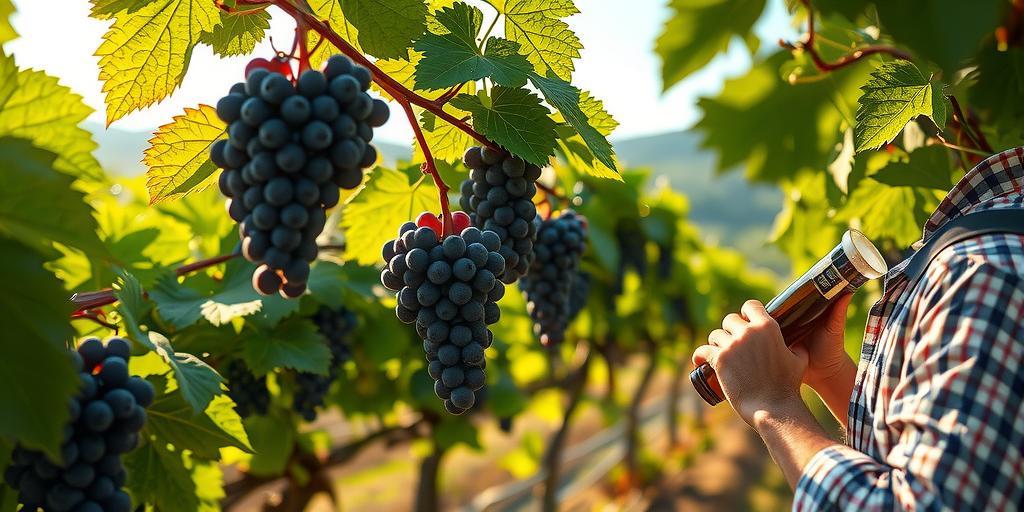
Baga is a grape variety indigenous to Portugal, primarily found in the Bairrada region. Known for its ability to produce age-worthy red wines, Baga offers a unique profile characterized by high acidity, firm tannins, and vibrant fruit flavors, often reminiscent of cherries and plums. While it is commonly associated with the production of Mateus Rosé, which has made it widely popular, Baga shines in more serious red wines that can develop beautifully over time. These wines typically exhibit earthy undertones, herbal notes, and a complexity that makes them suitable for aging. Baga’s versatility allows it to be crafted into both full-bodied reds and lighter styles, making it a fascinating grape for both winemakers and wine enthusiasts.
Barbera: Everyday Red from Piedmont
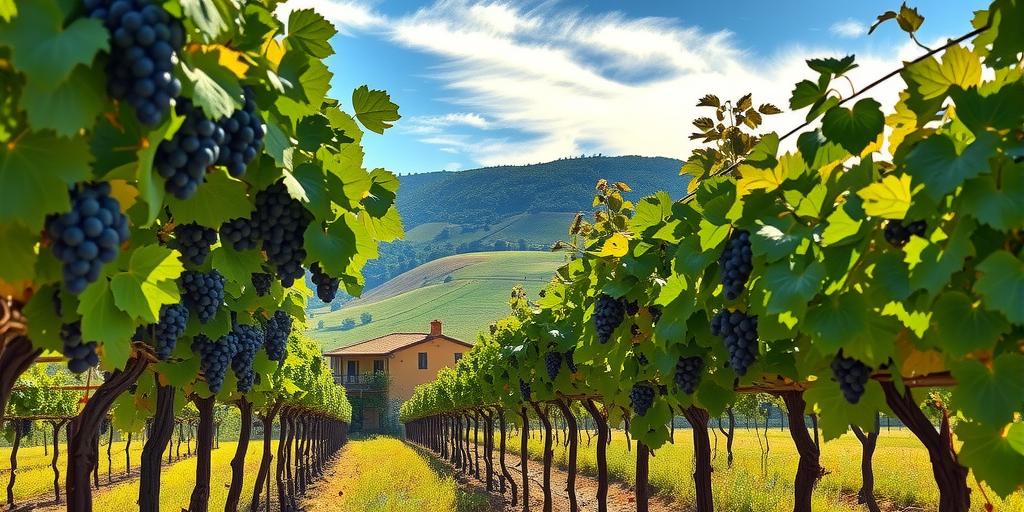
Barbera, originating from the Piedmont region of Italy, is cherished for its accessibility and versatility. This red grape produces wines that are medium to full-bodied, showcasing bright red fruit flavors like cherry and raspberry, along with hints of plum. Its naturally high acidity makes it a great pairing for a variety of foods, from pizza and pasta to grilled meats and hearty stews.
Unlike some of its more tannic counterparts, Barbera wines are typically low in tannins, which allows for early consumption and enjoyment. They often exhibit a refreshing quality, making them ideal for everyday drinking. Many winemakers choose to age Barbera in stainless steel or neutral oak to preserve its fruit-forward character, while others may opt for more oak aging to introduce additional complexity.
Popular expressions of Barbera include Barbera d’Alba and Barbera d’Asti, each reflecting the specific terroir of their respective regions. These wines can vary from simple and juicy to more complex and structured, depending on the winemaking techniques employed. Whether enjoyed on its own or alongside a meal, Barbera remains a beloved choice for both casual drinkers and seasoned wine enthusiasts.
Blaufränkisch: Rich and Peppery

Blaufränkisch, also known as Lemberger in Germany and Kekfrankos in Hungary, is a red grape variety that thrives in Austria and parts of Eastern Europe. This varietal is celebrated for its rich black fruit flavors, often showcasing notes of blackberry, black cherry, and plum. What sets Blaufränkisch apart is its distinctive peppery finish, which adds complexity to its character. The wine typically presents medium to high acidity and moderate tannins, making it versatile for food pairings. It complements dishes like grilled meats, hearty stews, and even spicy cuisines. As the grape ripens, it develops deeper flavors that can evolve beautifully with age, yielding a more nuanced profile. If you enjoy wines with a bold yet balanced taste, Blaufränkisch may be the perfect choice.
Bobal: Fruity and Soft
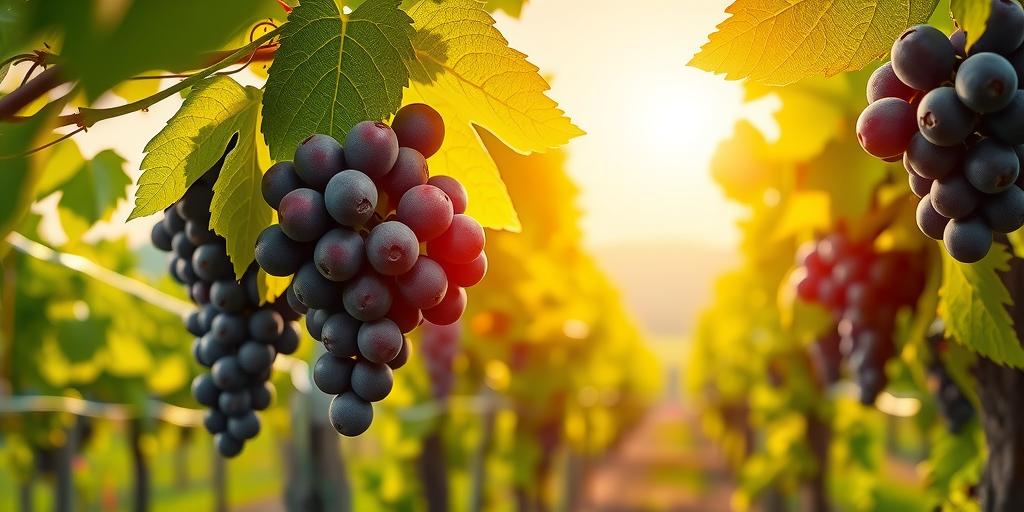
Bobal is a red grape variety primarily grown in the Valencia region of Spain. Known for its fruity flavors, Bobal typically produces wines that are soft and approachable, making them great for everyday drinking. The grape benefits from a warm climate, which enhances its fruity profile, often showcasing notes of ripe berries, cherries, and plums. Its medium tannins and good acidity create a pleasant balance, making Bobal wines versatile for pairing with a variety of foods, from grilled meats to pasta dishes. Additionally, it can be found both as a single varietal and in blends, providing winemakers with flexibility in crafting their wines. As a lesser-known varietal, Bobal is gaining recognition for its quality and unique characteristics, appealing to both casual wine drinkers and enthusiasts alike.
Bonarda: Smooth Red from Argentina

Bonarda is an increasingly popular red grape variety originating from Argentina. It is celebrated for its smooth texture and fruity flavors, making it a delightful choice for both casual drinkers and connoisseurs alike. The wines produced from Bonarda often showcase notes of dark berries, plum, and subtle spices, which contribute to a well-rounded palate. This grape thrives in the warm Argentine climate, particularly in regions like Mendoza, where it can achieve excellent ripeness. Bonarda’s medium tannins and bright acidity make it versatile for pairing with a wide range of foods, from grilled meats to pasta dishes. Some winemakers have even begun to use Bonarda in blends, enhancing its appeal and showcasing its adaptability in the world of wine.
Brachetto: Sweet and Floral

Brachetto is a distinctive grape variety from the Piedmont region of Italy, celebrated for its sweet and floral characteristics. This semi-sparkling grape is most commonly used to produce Brachetto d’Acqui, a delightful dessert wine that often features aromas of rose petals, strawberries, and raspberries. Its sweetness is balanced by a refreshing acidity, making it a perfect pairing with fruit-based desserts, chocolate, or even spicy dishes. The wine’s vibrant red color and effervescence add to its charm, appealing to those who enjoy a touch of sweetness without overwhelming richness. The Brachetto grape thrives in the warm, sunny climate of Piedmont, and its unique flavor profile has made it a favorite among dessert wine enthusiasts.
Cabernet Franc: Complex and Aromatic
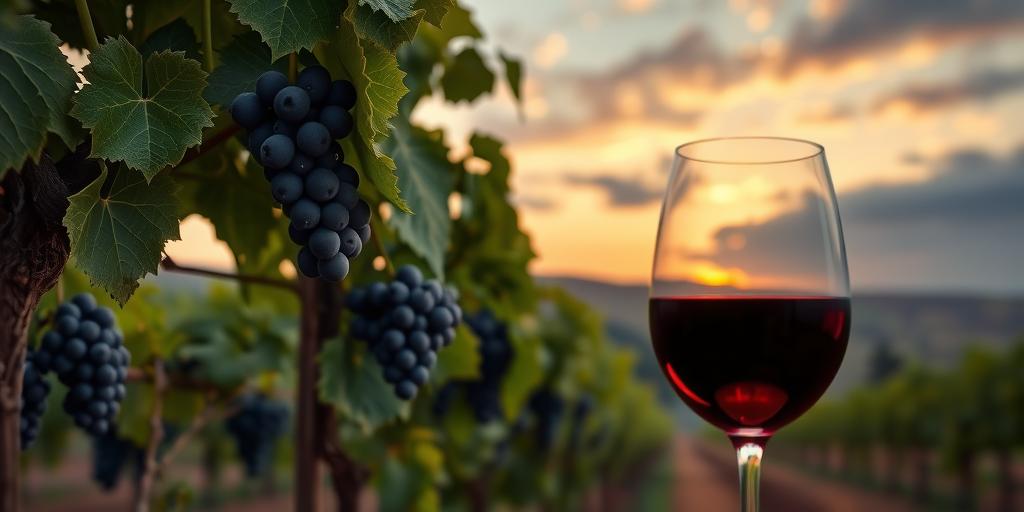
Cabernet Franc, a prominent grape variety from Bordeaux, France, is known for its complexity and aromatic profile. As a parent grape of both Merlot and Cabernet Sauvignon, it shares some characteristics with these well-known varietals but stands out with its unique flavor profile. Wines made from Cabernet Franc typically exhibit bright berry notes, often accompanied by hints of bell pepper, herbs, and sometimes floral undertones. These wines can vary significantly in style, from light and fresh to more structured and age-worthy offerings. Popular regions for Cabernet Franc production include the Loire Valley in France, where it is often used in blends, and New World regions like California and Argentina, where it is gaining recognition as a standalone varietal. Its moderate tannins and refreshing acidity make it a versatile pairing for a range of foods, from grilled meats to roasted vegetables.
Cabernet Sauvignon: The Popular Red

Cabernet Sauvignon, originating from Bordeaux, France, is celebrated as the world’s most popular red grape. Known for its high concentration of flavors and robust structure, it produces wines that are rich and complex. The grape thrives in diverse climates, from the warm valleys of California to the cooler regions of France, allowing for a wide range of expressions. Typical flavor profiles include dark fruit notes like blackcurrant, along with hints of green bell pepper, tobacco, and sometimes even chocolate. Its firm tannins and acidity contribute to its exceptional aging potential, making it a favorite among collectors. Notable regions for Cabernet Sauvignon include Napa Valley in the USA and the Médoc in Bordeaux. Iconic wines like Château Lafite Rothschild and Screaming Eagle showcase the grape’s ability to reflect terroir and age gracefully over decades.
Carignan: Robust and Blended
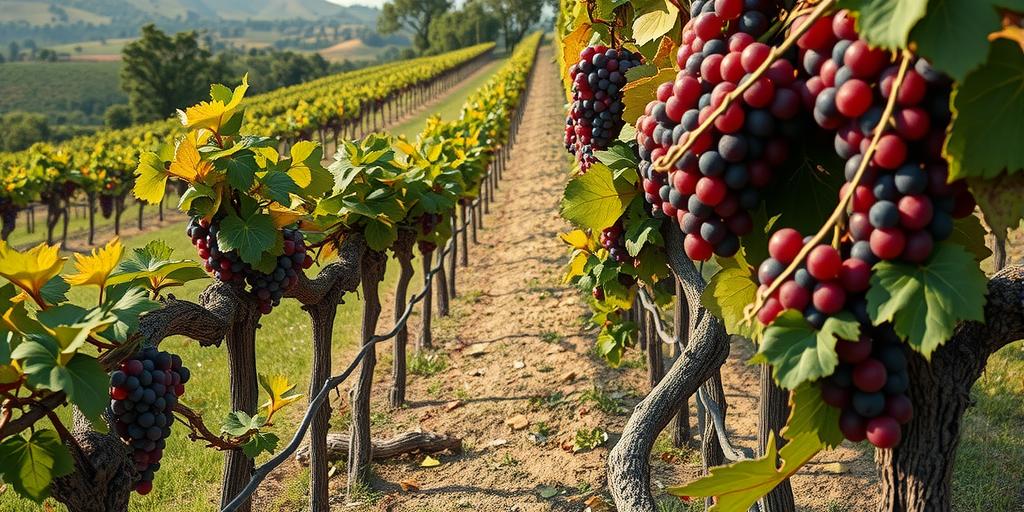
Carignan is a red grape variety with roots in both Spain and France, known for its robust character and adaptability. It thrives in warmer climates and is often used in blends to add depth and structure to wines. The grape typically produces wines that are full-bodied, with dark fruit flavors like blackberry and plum, accompanied by earthy notes and moderate acidity.
In regions like the Languedoc in France and Valencia in Spain, Carignan is a key component in many red blends, helping to soften the tannins and enhance the overall complexity of the wine. It’s particularly well-suited for blending with Grenache and Syrah. In recent years, winemakers have started to recognize Carignan’s potential as a standalone varietal, leading to more single-varietal wines that showcase its intense flavors and age-worthy qualities.
A good example of Carignan can be found in the wines of Priorat, where the grape is used alongside Garnacha to create powerful, concentrated reds that reflect the unique terroir of the region.
Carménère: Chile’s Late-Ripener
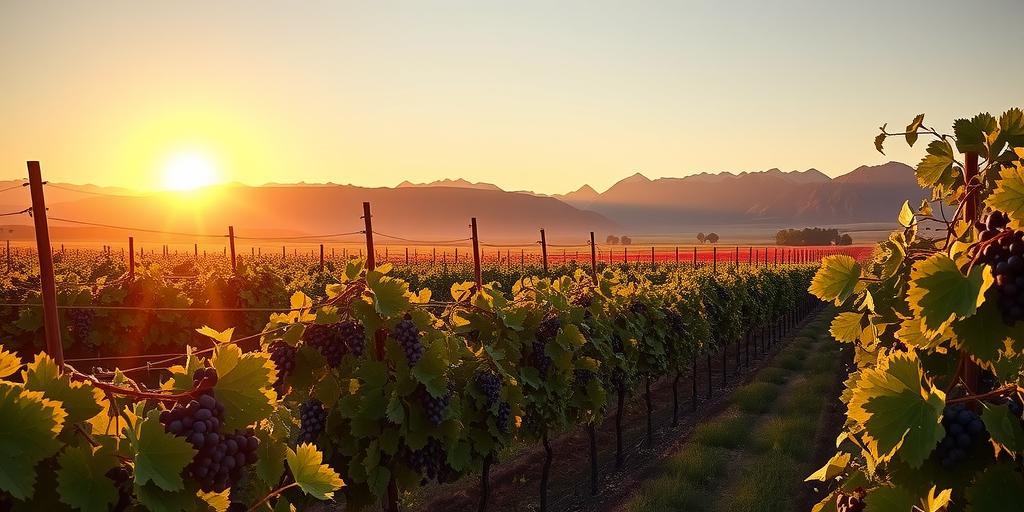
Carménère is a red grape that originally hails from the Bordeaux region of France. However, it found a new home in Chile, where it has become a flagship varietal. This late-ripening grape thrives in the warm Chilean climate, allowing it to develop fully while maintaining its characteristic flavors. Carménère wines are known for their deep color and rich aromas of dark fruit, such as blackberry and plum, combined with herbal and spicy notes, reminiscent of green bell pepper and black tea. The tannins are typically soft, making these wines approachable yet complex. Due to its growing popularity, many Chilean wineries are now experimenting with different aging techniques, including oak aging, which adds layers of vanilla and toast to the profile. When paired with grilled meats or hearty stews, Carménère shines, showcasing its versatility and charm.
Castelão: Diverse Wine Styles

Castelão, a grape variety native to Portugal, showcases remarkable versatility in winemaking. It is primarily grown in the Setúbal Peninsula and Alentejo regions, where it thrives in the warm climate. Castelão can produce a range of wine styles, including robust reds, refreshing rosés, and even sparkling wines. The reds are often characterized by their rich berry flavors, earthy notes, and vibrant acidity, making them suitable for aging. In contrast, the rosés typically exhibit bright fruitiness and floral aromas, ideal for summer sipping. Additionally, some producers are experimenting with sparkling wines made from Castelão, which reveal crispness and lively bubbles. This adaptability not only highlights the grape’s diverse profile but also its significance in Portuguese viticulture.
Catarratto: Marsala’s Ingredient

Catarratto is a white grape variety that hails from Sicily, Italy. It plays a crucial role in the production of Marsala, a fortified wine that originated in the city of the same name. This versatile grape is known for its high acidity and ability to retain freshness, which is essential in creating the rich, complex flavors found in Marsala wines. Catarratto can produce a range of styles, from dry to sweet, and is often blended with other varieties to enhance depth and character. The grape’s profile typically features notes of citrus, almond, and floral elements, making it a delightful choice for both sipping and food pairing.
Catawba: Pink-Skinned Varietal

Catawba is a unique pink-skinned grape variety that originated in the United States, particularly in New York. This grape is known for its versatility, producing a range of wine styles from sweet to dry, and even sparkling wines. The flavor profile of Catawba often features fruity notes, such as peach, apricot, and berry, with a vibrant acidity that makes it refreshing. One of the most notable aspects of Catawba is its ability to thrive in cooler climates, which has made it popular in regions like the Finger Lakes. Historically, Catawba played a significant role in the early American wine industry, with its wines being enjoyed in the 19th century. Today, it continues to be a favorite among winemakers looking to create approachable and enjoyable wines.
Chardonnay: The Widely Planted White
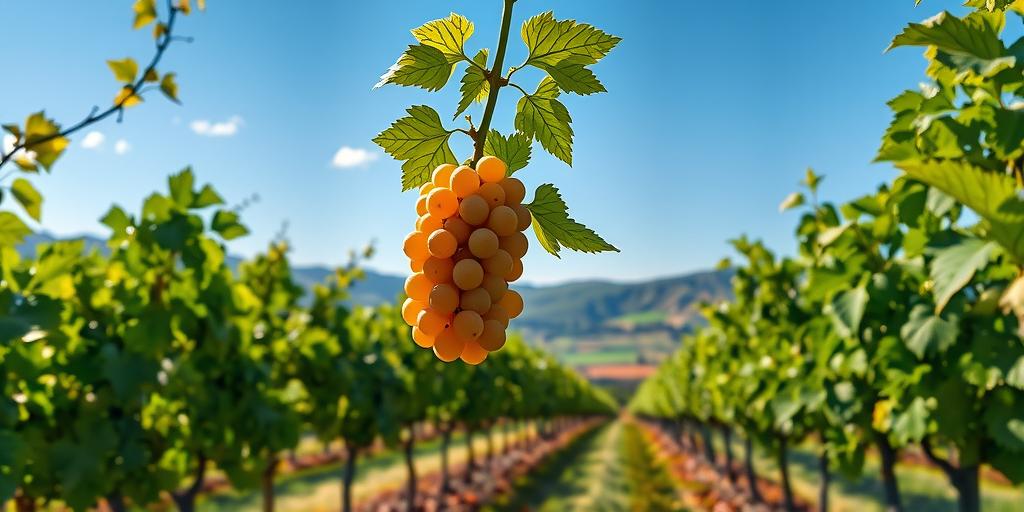
Chardonnay, originating from Burgundy, France, is the most widely planted white grape variety in the world. Its versatility allows it to thrive in various climates and terroirs, producing a wide range of wine styles. In cooler regions, Chardonnay often exhibits crisp acidity with green apple, pear, and citrus flavors, while warmer climates can bring out tropical notes like pineapple and mango. This grape is also a key component in Champagne and other sparkling wines, where its natural acidity and fruitiness shine. Winemakers often use techniques like oak aging and malolactic fermentation to enhance its creamy texture and add complexity with buttery and toasty notes. Notable regions for Chardonnay include California’s Napa Valley, Australia’s Yarra Valley, and Burgundy itself, where the famous Chablis wines are crafted. Whether enjoyed as a refreshing glass on a warm day or paired with rich dishes like lobster or creamy pasta, Chardonnay remains a favorite among wine lovers.
Chasselas: Neutral and Terroir-Driven
Chasselas is a white grape variety primarily grown in Switzerland, though it has historical roots in France. It is known for producing wines that are often described as neutral, meaning they do not have overwhelming flavors or aromas. This neutrality allows the unique characteristics of the terroir—the specific environmental conditions where the grapes are grown—to shine through. Chasselas wines are typically light-bodied with a subtle fruitiness and crisp acidity, making them refreshing and easy to drink. They pair well with a variety of foods, especially seafood and light cheeses. A notable example is the Chasselas from the Vaud region, which showcases minerality and a hint of stone fruit, reflecting the local soil and climate.
Frequently Asked Questions
1. What are wine grape varietals?
Wine grape varietals are different types of grapes used to make wine. Each varietal has its own unique flavor, aroma, and characteristics.
2. How do I choose a wine grape varietal for my taste?
To choose a wine grape varietal, think about whether you prefer red or white wine, and consider flavors you enjoy, like fruity or earthy notes.
3. What is the difference between red and white wine grapes?
Red wine grapes have dark skins that give color to the wine, while white wine grapes have lighter skins, resulting in a clearer wine.
4. Can grape varietals be blended together in wine?
Yes, grape varietals can be mixed together to create a blend, which can enhance the flavors and complexity of the wine.
5. Are some grape varietals better for beginners?
Yes, some grape varietals, like Chardonnay for whites and Merlot for reds, are often recommended for beginners because they are smooth and easy to drink.
TL;DR This guide covers notable wine grape varietals, highlighting 24 varieties from around the world. Key grapes include Agiorgitiko from Greece, known for its full-bodied reds; Aglianico, the ‘king’ of Southern Italy; and Assyrtiko from Santorini, revered for its minerality. Other important varieties include Argentine Bonarda and the widely loved Chardonnay, each contributing unique flavors and styles to the wine landscape.


