

Starting a backyard vineyard can be easier than you think! First, choose the right grape variety that suits your climate and taste. Next, prepare well-drained soil with plenty of sunlight for your plants to thrive. Then it’s time to plant the young vines, making sure to space them adequately for growth. After planting, regular watering and mulching help keep weeds down and moisture in the ground. Finally, don’t forget to prune your vines each year; this will encourage better fruit production and overall health of the plants. With patience, soon you’ll enjoy homegrown grapes right from your garden!
Choosing the Right Grape Varieties
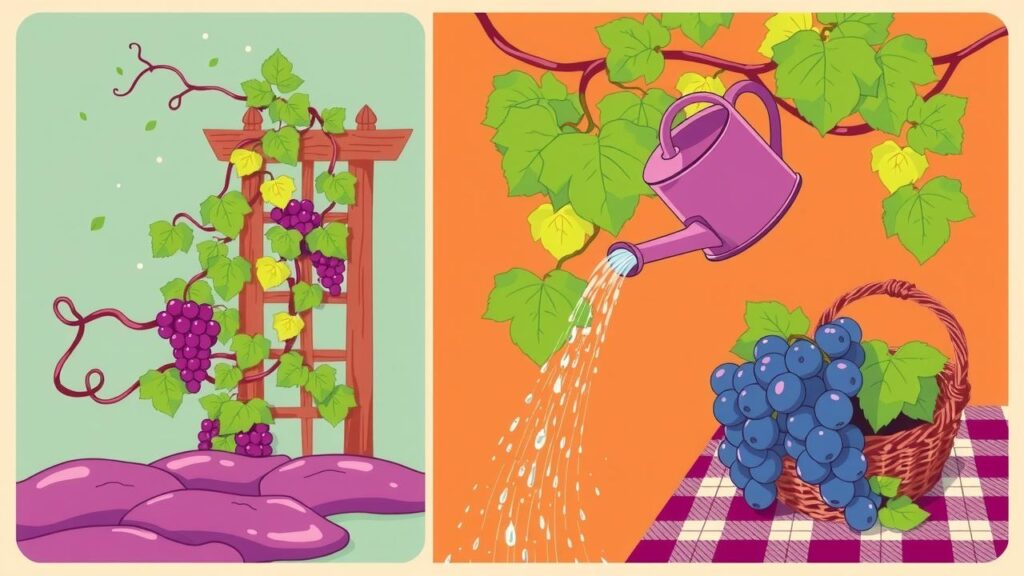
Selecting the right grape varieties is crucial for a successful backyard vineyard. Consider your climate, as different grapes thrive in different regions. For instance, if you live in a warmer area, varieties like Cabernet Sauvignon or Zinfandel might be ideal, while cooler climates are more suited for Pinot Noir or Riesling. Think about what you enjoy drinking, too; if you love making wine, choose varieties that are known for good wine production. Some popular table grape varieties include Concord and Thompson Seedless, which are great for fresh eating. Also, check your local extension service for recommendations on varieties that perform well in your area. This will help ensure you pick grapes that not only grow well but also taste great.
| Grape Variety | Region | Color | Flavor Profile | Uses |
|---|---|---|---|---|
| Cabernet Sauvignon | California | Red | Full-bodied, blackcurrant | Wine, jams |
| Chardonnay | California | White | Fruity, buttery | Wine, cooking |
| Merlot | California | Red | Soft, plummy | Wine, blends |
| Pinot Noir | Oregon | Red | Light, silky | Wine, fresh eating |
| Sauvignon Blanc | New Zealand | White | Crisp, citrus | Wine, salads |
Preparing Your Backyard for Planting
Before you plant your grapevines, it’s essential to prepare your backyard properly. Start by selecting a sunny spot, as grapes thrive in full sunlight—aim for at least six to eight hours of direct sun each day. Next, assess your soil quality; grapes prefer well-drained soil with a pH level between 6.0 and 6.8. If your soil is heavy clay or too sandy, consider amending it with organic matter or compost to improve drainage and nutrient content.
Clear the area of any weeds, grass, or debris that could compete for nutrients and water. This helps your young vines establish themselves more easily. After clearing, consider doing a soil test to check for nutrient deficiencies or pH imbalances. Based on the results, you may need to add fertilizers or lime to create the ideal growing conditions for your grapes.
Finally, plan your layout. Grapevines need space to grow; typically, you should plant them about six to eight feet apart to allow air circulation and sunlight to reach each plant. If you’re building a trellis or support system, ensure it’s sturdy and positioned correctly to support the vines as they grow.
Planting Grapes: Timing and Techniques
Timing is crucial when planting grapes. The best time to plant grapevines is in early spring after the last frost, or in the fall before the first frost. This allows the roots to establish before the extreme temperatures of summer or winter hit. When planting, space your vines about 6 to 8 feet apart, depending on the variety and growth habit.
Before you plant, it’s essential to prepare the soil. Make sure it’s well-drained and rich in organic matter. You can enhance the soil with compost or well-rotted manure. Dig a hole that is wide and deep enough to accommodate the root system without bending or crowding the roots.
When placing the vine in the hole, ensure that the graft union (where the rootstock meets the vine) is at soil level. Cover the roots with soil and water thoroughly to eliminate air pockets. Mulching around the base can help retain moisture and suppress weeds.
A common technique is to create a small mound or ridge in the planting hole, allowing the roots to spread out naturally. This technique can improve drainage and promote healthy growth. After planting, keep an eye on your vines and water them regularly, especially during dry spells, to help them establish.
Caring for Your Grapevines
Caring for your grapevines is essential for a healthy and fruitful backyard vineyard. Start by ensuring your plants receive adequate water, especially in the first few years. A deep watering once a week is usually sufficient, but adjust based on rainfall and temperature. Pay attention to the soil; it should be well-draining and rich in organic matter. Adding compost can boost nutrients and improve soil structure.
Pruning is another key aspect of grapevine care. In late winter or early spring, remove dead or weak branches to encourage strong growth. Aim for a balanced vine structure, keeping about 6-8 healthy canes. This helps airflow and sunlight reach the fruit, which is crucial for ripening.
Fertilizing should be done sparingly. Use a balanced fertilizer in early spring to promote growth, but avoid excess nitrogen, which can lead to vigorous foliage at the expense of fruit production. Monitor your plants for pests and diseases, such as aphids or powdery mildew. Early detection is vital; use organic insecticides or fungicides when necessary. Lastly, support your grapevines with trellises or arbors to keep them off the ground, reducing the risk of rot and making harvesting easier.
- Water regularly, especially during dry spells.
- Apply mulch to retain moisture and suppress weeds.
- Prune your vines in late winter for healthy growth.
- Fertilize with balanced grape fertilizer in early spring.
- Check for pests and diseases regularly to catch issues early.
- Support vines with trellises or stakes as they grow.
- Thin clusters of grapes to improve quality and yield.
Harvesting and Enjoying Your Grapes
When the time comes to harvest your grapes, you’ll want to ensure they’re at their peak ripeness. Look for grapes that have developed a rich color and are slightly soft to the touch. Typically, this occurs late summer to early fall, depending on your climate and grape variety. Use clean, sharp scissors or pruning shears to cut the bunches from the vine, being careful not to damage the plant.
After harvesting, enjoy your grapes fresh, or consider making homemade products. You can create delicious jams, jellies, or even wine if you’re feeling adventurous. For a fun treat, freeze grapes for a refreshing snack during hot days.
If you have a large harvest, share your bounty with friends and family, or consider selling some locally. This not only helps you enjoy the fruits of your labor but also builds a sense of community around your backyard vineyard.
Frequently Asked Questions
1. What kind of grapes should I grow in my backyard?
You should choose grape varieties that thrive in your local climate and soil. Common options are Concord, Cabernet Sauvignon, or Chardonnay, depending on your preferences and growing conditions.
2. How much sunlight do grapevines need?
Grapevines need plenty of sunlight, ideally at least 6 to 8 hours a day. Plant them in a spot where they can soak up the sun for most of the day.
3. When is the best time to plant grapevines?
The best time to plant grapevines is in early spring after the last frost. This is when the soil is warm and encourages healthy growth.
4. How often should I water my grapevines?
You should water grapevines deeply but less frequently. In the first year, water once a week, and after that, twice a month is usually enough unless there’s a dry spell.
5. How can I protect my grapes from pests and diseases?
You can protect your grapes by regularly inspecting them, using organic pesticides if needed, and maintaining good air circulation around the plants to prevent diseases.
TL;DR Learn how to grow grapes at home with these five simple steps: choose the right grape varieties, prepare your planting area, plant at the right time using effective techniques, care for your grapevines as they grow, and finally, enjoy the fruits of your labor by harvesting your grapes.


