
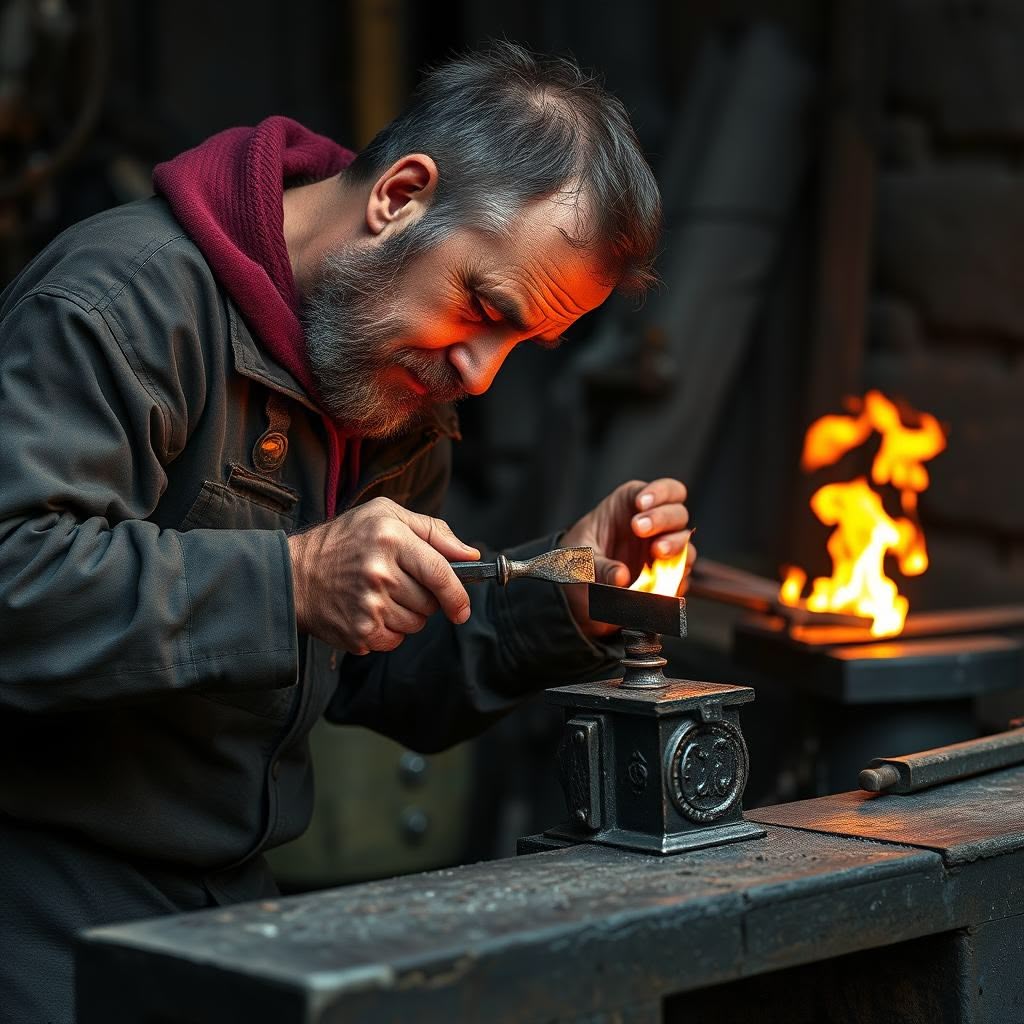
If you've ever dreamed of shaping metal into functional or artistic creations, investing in the best tools for beginner blacksmithing is your first step towards bringing that dream to life. Blacksmithing is not just a craft—it's an ancient art form that combines skill, creativity, and a touch of science. With the tools at your disposal, you can forge practical items like tools and hardware, or create stunning pieces of art. However, as a novice, you might be wondering where to start and what tools are essential for your blacksmithing journey. This guide will provide you with the foundational knowledge needed to select the right equipment and set you up for success in your new venture.
Understanding Blacksmithing: A Brief Overview
Blacksmithing is an ancient craft that involves heating metal and shaping it into useful objects through hammering and forging. This skill requires not just creativity and precision but also the right set of tools. Using the best tools for beginner blacksmithing is essential for achieving high-quality results and ensuring safety during the crafting process.
The Importance of Tools in Blacksmithing
The right tools can significantly ease the learning curve for beginners. High-quality, reliable tools help new blacksmiths to:
-
Reduce the risk of injury
-
Maximize efficiency in their work
-
Create more intricate and polished pieces
The Best Tools for Beginner Blacksmithing
Essential Tools for Starting Out
When starting your blacksmithing journey, there are a few essential tools you simply cannot go without. Investing in these foundational tools will help you build your skills from the ground up:
-
Anvil: The cornerstone of blacksmithing, an anvil provides a solid surface for shaping heated metal.
-
Hammer: A durable hammer is essential for forging metal; consider a cross-peen or rounding hammer to start.
-
Forge: This tool heats the metal until it’s malleable. You can choose between coal forges or propane forges based on your needs.
-
Tongs: A good pair of tongs allows you to safely hold heated metal without burning yourself.
-
Quenching Bucket: This is essential for tempering and hardening your metal after shaping by cooling it rapidly.
Additional Useful Tools
Once you've gathered the essentials, consider adding these tools to enhance your blacksmithing experience:
-
Metal Files: For smoothing out sharp edges and finishing touches.
-
Safety Gear: Crucial for protecting yourself; gloves, goggles, and a face shield are must-haves.
-
Measuring Tools: Accurate measurements will help you create pieces that fit well and have the desired dimensions.
Choosing the Right Equipment
When selecting your tools, there are several factors to keep in mind:
Factors to Consider When Selecting Tools
-
Quality vs. Cost: While it might be tempting to go for cheaper options, investing in high-quality tools often pays off in the long run.
-
Size and Weight: Choose tools that suit your body and workspace, making it easier to handle them.
Recommendations for Top Brands
It’s wise to choose tools from reputable brands known for their durability and reliability. Some top brands to consider include:
-
Bader
-
Peddinghaus
-
Harris Tools
For more detailed information on blacksmithing tools, check out Blacksmiths Depot.
Maintaining Your Blacksmithing Tools
An investment in quality tools requires a commitment to maintenance. Proper upkeep will ensure that your tools remain in top condition, ready for all your creative projects.
Importance of Tool Maintenance
Regular maintenance extends the life of your tools and ensures safety in your workshop.
Basic Maintenance Tips
-
Cleaning Tools: After each use, clean your tools to remove residue and prevent rust.
-
Proper Storage: Store your tools in a dry place to avoid moisture damage.
By understanding the best tools for beginner blacksmithing and how to maintain them, you’ll set yourself up for success in this rewarding craft. Get started with these essentials and watch your skills grow!
Building Your Blacksmithing Workshop
Creating an effective workspace is essential for any beginner blacksmith. A well-designed workshop not only enhances productivity but also ensures safety while you work with tools and materials.
Space Requirements
Before diving into building your workshop, consider the space requirements for your blacksmithing activities. Here are important factors to keep in mind:
-
Square Footage: Much depends on the scale of your projects. At a minimum, aim for a space of around 100 square feet to accommodate basic tools and equipment.
-
Ventilation: Good airflow is crucial, especially when using a forge. Ensure that your space has proper ventilation to avoid fumes accumulating.
-
Electric Access: If you choose to use electric tools, make sure there are adequate outlets installed.
Essential Layout Considerations
Once you have selected a space, think about how to arrange your tools and equipment effectively. A well-planned layout can greatly improve your workflow:
-
Anvil Placement: Position your anvil at a comfortable height, allowing you to work without straining your back.
-
Forge Location: Place your forge away from flammable materials and ensure that it’s accessible for your tongs and metal pieces.
-
Safety Zone: Keep a designated area for quenching to minimize the risk of slips or accidents.
-
Tool Organization: Use pegboards, shelves, or toolboxes to keep your best tools for beginner blacksmithing organized and easily accessible.
Safety Protocols
Safety should always be your top priority when setting up a blacksmithing workshop. Implement these protocols to ensure a secure working environment:
-
Fire Extinguisher: Keep a fire extinguisher nearby and know how to use it.
-
Personal Protective Equipment (PPE): Always wear gloves, goggles, and a face shield when working.
-
First Aid Kit: Have a well-stocked first aid kit readily available for any minor accidents.
By building a well-organized and safe workshop with the best tools for beginner blacksmithing, you’ll create an environment that encourages creativity and productivity. For more informative resources and equipment, check out The Home Depot to find everything you need to set up your ideal blacksmithing workspace.
Maintaining Your Blacksmithing Tools
An investment in quality tools requires a commitment to maintenance. Proper upkeep not only extends the life of your equipment but also ensures safety and efficiency while you work. Understanding how to maintain the best tools for beginner blacksmithing can make a significant difference in your crafting journey.
Importance of Tool Maintenance
Regular maintenance is essential for keeping your tools in optimal condition. Neglecting this aspect can lead to diminished performance, potential injuries, and costly replacements. Key reasons to prioritize tool maintenance include:
-
Safety: Well-maintained tools are less likely to malfunction, reducing the risk of accidents.
-
Performance: Tools that are cared for tend to perform better, allowing for more precise work.
-
Longevity: Regular upkeep can significantly extend the life of your tools, leading to better long-term investment returns.
Basic Maintenance Tips
Incorporate these basic maintenance tips into your workflow to ensure your blacksmithing tools remain in peak condition:
-
Cleaning Tools:
-
After Each Use: Wipe down your tools to remove any metal shavings, dust, or residue.
-
Rust Prevention: Apply a light coat of oil on metal surfaces to prevent rust.
-
-
Proper Storage:
-
Dry Environment: Store your tools in a dry location, away from moisture (e.g., use a toolbox or pegboard).
-
Organized Layout: Keep tools organized to avoid unnecessary wear and tear from improper handling.
-
-
Regular Inspections:
-
Check for Damage: Periodically inspect your tools for signs of wear, such as cracks or loose components.
-
Replace Worn Parts: Don’t hesitate to replace parts or tools that show significant damage.
-
-
Timely Sharpening:
-
Sharp Edges: Keep your hammers and chisels sharp for effective work. A dull tool requires more force and can lead to injury.
-
By committing to regular maintenance, you'll ensure that the best tools for beginner blacksmithing are always ready for use, allowing you to focus on crafting high-quality pieces. For additional resources and product care, visit Harbor Freight for a wide array of maintenance tools and supplies.
Choosing the Right Equipment
Selecting the right tools is crucial for beginners in blacksmithing. The best tools for beginner blacksmithing can greatly impact your learning experience and the quality of your finished products. It's important to find equipment that balances quality, cost, and suitability for your specific needs.
Factors to Consider When Selecting Tools
Here are several key factors to keep in mind when choosing your blacksmithing tools:
-
Quality vs. Cost:
-
Invest Wisely: While it's tempting to opt for the cheapest tools, investing in durable, high-quality equipment can save you money in the long run by preventing frequent replacements.
-
Read Reviews: Check customer reviews and ratings to gauge the reliability of the products you're considering.
-
-
Size and Weight:
-
Ergonomics: Ensure that tools are comfortable to handle. For beginners, tools that are too heavy or cumbersome can lead to fatigue and mistakes.
-
Workspace Fit: Consider the dimensions of your workshop when selecting equipment; large tools may need more space for movement.
-
-
Versatility:
-
Multi-Functionality: Choose tools that can serve multiple purposes to maximize their utility and reduce the total number of tools needed.
-
Adaptability: Look for adjustable tools or those that can accommodate different projects as your skills advance.
-
Recommendations for Top Brands
When it comes to blacksmithing tools, certain brands have established themselves as leaders in the industry. Here are some reputable brands well-known for quality blacksmithing tools:
-
North Carolina Blacksmiths: Offers a wide range of quality tools for both beginners and professionals.
-
Centaur Forge: Known for its diverse selection of blacksmithing tools and supplies.
-
Kayne & Son Blacksmiths Supply: Provides excellent options for both professional and amateur blacksmiths.
Taking the time to select the best tools for beginner blacksmithing will enhance your overall experience in the craft. For purchases, consider visiting Miller Welding for reliable equipment and resources that can help you get started on your blacksmithing journey with confidence.
The Best Tools for Beginner Blacksmithing
Choosing the right tools is a significant step in ensuring success in your blacksmithing journey. Below, we detail some of the best tools for beginner blacksmithing, focusing on essential equipment that will make your learning experience enjoyable and productive.
Essential Tools for Starting Out
-
Anvil
-
Purpose: The anvil is the foundation of blacksmithing, providing a solid surface for shaping metal.
-
Material: Look for a forged steel anvil for durability and performance.
-
-
Hammer
-
Types: Consider a cross-peen hammer or a rounding hammer based on the type of work you'll be doing.
-
Weight: Beginners may find a lighter hammer (around 2-3 pounds) easier to control.
-
-
Forge
-
Types: Decide between a coal forge and a propane forge. Propane forges are generally easier to manage for beginners due to their cleanliness and ease of use.
-
Efficiency: A well-constructed forge can reach high temperatures quickly, critical for effective forging.
-
-
Tongs
-
Varieties: Invest in a good set of tongs that can grip different shapes, such as flat tongs and round tongs.
-
Functionality: Tongs are necessary for safely handling heated metal during the forging process.
-
-
Quenching Bucket
-
Usage: This tool is essential for cooling and hardening hot metal, effectively completing the forging process.
-
Safety: Fill it with water or oil, depending on the type of metal you are working with.
-
Additional Useful Tools
Alongside the essentials, consider these additional tools that can enhance your blacksmithing experience:
-
Metal Files: For smoothing edges and refining your work.
-
PPE (Personal Protective Equipment): Essential items include gloves, safety goggles, and a face shield to protect yourself during work.
-
Measuring Tools: Accurate measuring tools ensure your pieces are crafted to the correct dimensions.
By familiarizing yourself with these useful tools, you’ll be prepared to embark on your blacksmithing journey with confidence. Be sure to check out Tractor Supply Co. for a variety of quality tools and supplies to get you started in blacksmithing. Investing in these best tools for beginner blacksmithing will set the foundation for skill development and creativity in your projects.
Conclusion
As you embark on your journey into the world of blacksmithing, equipping yourself with the best tools for beginner blacksmithing is vital for success. A solid set of tools not only facilitates your learning but also inspires confidence and creativity in your projects.
Recap of Essential Tools
To recap, the essential tools to begin your blacksmithing experience include:
-
Anvil: A crucial surface for shaping metal.
-
Hammer:Key for forging and shaping hot metal.
-
Forge: Provides the necessary heat.
-
Tongs: For safe handling of heated materials.
-
Quenching Bucket: Essential for tempering metal post-shaping.
Encouragement to Start Blacksmithing
With the right tools in hand, don't hesitate to experiment and try new techniques. Blacksmithing is rewarding, allowing you to create everything from functional tools to beautiful art pieces. Remember, honing your skills takes time, perseverance, and practice. Embrace this journey, and you'll be rewarded with a deep sense of accomplishment.
For more resources and high-quality equipment, check out Fastenal. This will further support your blacksmithing endeavors and help you find the best tools for beginner blacksmithing. Happy forging!
What are the essential tools for beginner blacksmithing?
The essential tools for beginner blacksmithing include an anvil, hammer, forge, tongs, and a quenching bucket. These tools form the foundation of your blacksmithing setup, allowing you to heat, shape, and temper metal effectively. As you progress, you can expand your toolkit with additional equipment like metal files and safety gear.
How much does it cost to start blacksmithing?
Starting blacksmithing can vary in cost depending on the quality and type of tools you choose. For basic equipment, expect to spend anywhere from $500 to $2,000. While focusing on essential tools is key, investing in quality items is crucial for durability and long-term use. You can always scale up your investments as your skills and projects evolve.
Is blacksmithing safe for beginners?
Yes, blacksmithing can be safe for beginners, provided that you follow proper safety protocols and use the right personal protective equipment (PPE). Always wear gloves, goggles, and a face shield to protect yourself from sparks and hot metal. Furthermore, ensuring your workspace is clear of hazards and that you understand how to operate your tools safely will enhance your experience.
Can I blacksmith at home?
Absolutely! Many blacksmiths successfully operate from home workshops. However, ensure you have adequate space, ventilation, and safety measures in place. Depending on local regulations, you may need to check any zoning laws or permits required for operating a forge in your area.
What materials can I work with as a beginner blacksmith?
As a beginner blacksmith, you can start with mild steel, which is inexpensive and easy to work with. It’s forgiving and allows you to practice forging techniques without the fear of damaging more costly materials. As you gain confidence, you can gradually explore working with other metals like high carbon steel, wrought iron, and even copper or brass for decorative pieces.


