The Hidden Revolution in Your Wine Glass
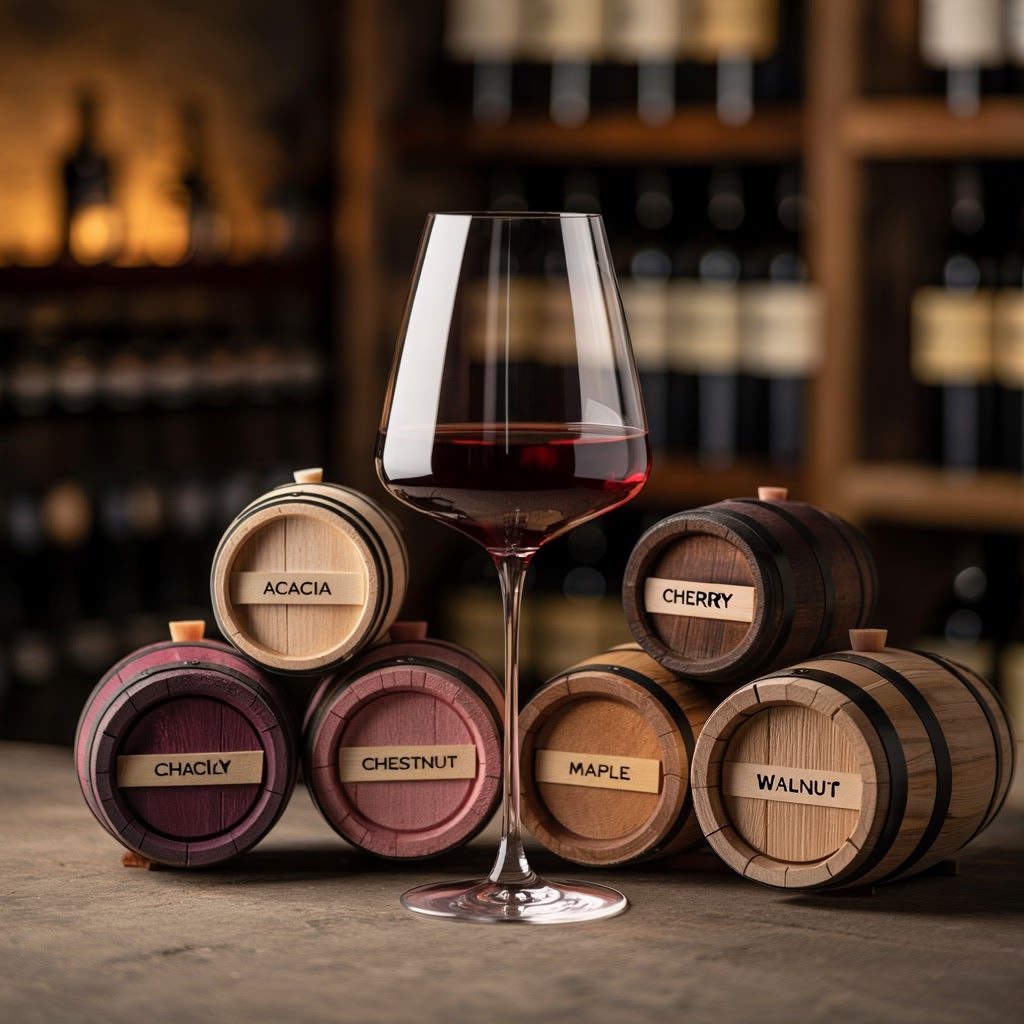
The wine in your glass has a secret – one that extends far beyond the grapes themselves. While connoisseurs often discuss terroir, vintage, and varietal, there’s a silent contributor to exceptional wines that rarely gets the spotlight: the wood. For centuries, oak has dominated wine aging, but a revolution is quietly transforming the industry’s approach to wood aging. Forward-thinking winemakers are now exploring alternative woods that create flavor profiles so distinctive and complex they’re challenging everything we thought we knew about aged wine.
When most people imagine wine aging, they picture rows of oak barrels in dimly lit cellars. This traditional approach has become so ingrained that we rarely question it. But why limit an entire industry to a single type of wood when forests worldwide offer countless alternatives with unique chemical compositions? This question has sparked a movement among innovative vintners seeking to expand the boundaries of what wine can become.
The interaction between wine and wood represents one of the most fascinating intersections of nature and craftsmanship in gastronomy. As wine rests against wood, it extracts compounds that transform its character – tannins that provide structure, lignins that contribute vanilla notes, and various other elements that add complexity. Different woods release different compounds, creating a palette of flavors as diverse as the forests themselves.
This exploration isn’t merely about novelty; it’s about discovering genuine improvements and alternatives to traditional methods. Some of these unexpected woods are producing results so exceptional that they’re causing even the most traditional wine experts to reconsider what constitutes fine wine aging.
The Science Behind Wood and Wine: A Perfect Chemical Romance
Before diving into specific woods, understanding the basic chemistry behind wood aging illuminates why these alternatives create such distinctive profiles. Wood isn’t merely a container for wine; it’s an active participant in the wine’s evolution. As wine ages in wooden vessels, a complex exchange occurs – oxygen slowly enters through the wood’s pores while water and alcohol evaporate. Simultaneously, compounds from the wood dissolve into the wine.
Different woods contain varying levels of extractable compounds. The most influential include tannins, which add astringency and structure; hemicellulose, which breaks down into sugars that add sweetness and body; lignins, which contribute vanilla and spice notes; and various volatile compounds that can add everything from floral notes to smoke.
The toasting or charring of wood before use dramatically affects which compounds become available to the wine. Heat breaks down the wood’s structure, creating new flavor compounds while altering existing ones. A lightly toasted barrel might emphasize fresh fruit characters, while a heavily charred one might introduce robust smoke and caramel notes.
The wine itself also matters tremendously in this exchange. Higher alcohol content extracts compounds more aggressively, as do higher temperatures and longer aging periods. Acidity in wine can react with wood compounds to create entirely new flavors not present in either the original wine or the wood itself. This explains why the same wood can produce markedly different results depending on the wine variety and production methods.
With this chemical foundation in mind, let’s explore the unexpected woods revolutionizing wine production and the extraordinary flavor profiles they create.

1. Acacia: The Bright Whisper of Honey and Blossoms
Acacia wood represents perhaps the most established alternative to oak, yet remains surprisingly underutilized outside certain regions. Unlike the bold presence of oak, acacia whispers rather than shouts, allowing the wine’s intrinsic character to remain center stage while adding subtle complexity.
The chemical composition of acacia differs significantly from oak in several crucial ways. It contains substantially fewer tannins, resulting in minimal astringency. Instead of oak’s vanilla-forward lignins, acacia contains compounds that translate to delicate floral notes and a distinctive honey character. Its tight grain structure allows for minimal oxygen transfer, preserving fresh fruit characteristics while still permitting gentle evolution.
When white wines age in acacia, they develop remarkable aromatic complexity without the weight and vanilla overtones oak often imparts. Imagine the brightness of spring flowers intertwined with subtle honey notes and a minerality that seems to amplify rather than mask the varietal character. For aromatic whites like Viognier, Gewürztraminer, or Sauvignon Blanc, acacia aging can produce wines of extraordinary elegance and complexity.
Acacia also shows promise with certain light-bodied reds, particularly those where preserving fresh fruit character is essential. The wood’s tight grain allows for extended aging without overwhelming oxidation, while its subtle contribution enhances complexity without dominating the wine’s natural profile.
The historical roots of acacia in winemaking run surprisingly deep. In parts of Italy, particularly in the northeast, winemakers have used acacia for generations. Its resurgence in modern winemaking represents less an innovation than a rediscovery of traditional wisdom, now applied with modern understanding of the chemistry involved.
2. Cherry Wood: The Unexpected Alchemist
Perhaps no alternative wood creates more surprising transformations in wine than cherry. Unlike other woods that primarily add their own character, cherry wood seems to perform alchemy on the wine itself, enhancing and transforming existing flavor compounds in unexpected ways.
Cherry wood contains moderate tannins with a distinctly different structure from those in oak. Rather than adding astringency, they seem to round and soften the wine’s existing tannins. The wood also contains compounds that, when extracted into wine, create an impression of subtle fruit sweetness without actual sugar. Most distinctively, cherry wood contains compounds that can enhance red fruit notes already present in the wine, amplifying them while adding complexity.
When red wines age in cherry wood, particularly those with existing red fruit profiles like Pinot Noir or Sangiovese, a remarkable transformation occurs. The fruit character becomes more complex and pronounced, often developing notes of kirsch, red cherry preserve, and sometimes subtle almond notes. The overall effect isn’t obviously “woody” – instead, the wine simply tastes like a more intense, complex version of itself.
Perhaps most fascinatingly, cherry wood aging can create an impression of greater maturity in relatively young wines. Wines aged even briefly in cherry often display characteristics normally associated with bottle aging – integrated tannins, complex secondary aromas, and a harmonious overall profile. This has made cherry particularly interesting for winemakers looking to create ready-to-drink wines with complexity typically requiring years of cellar time.
The historical use of cherry wood in winemaking connects to European fruit brandy traditions, particularly in Germany and Eastern Europe. While rarely used for primary aging historically, cherry wood components were sometimes added to wines to enhance fruit character – a technique now being refined and elevated by modern winemakers with access to better cooperage technology.

3. Chestnut: The Forgotten Giant
Before oak dominated wine aging, chestnut barrels were common throughout Europe. Phased out largely due to practical rather than flavor considerations (chestnut is more prone to leakage), this wood is experiencing a renaissance among winemakers seeking bold, distinctive profiles.
Chestnut’s chemical profile makes it perhaps the most assertive of alternative woods. It contains up to three times the extractable tannins of oak, creating a powerful structure and aging potential. These tannins have a different molecular structure than oak tannins, creating a sensation often described as “sweet astringency” – an initially powerful grip that resolves quickly on the palate. Chestnut also contains high levels of compounds that translate to roasted notes, earth, and sometimes subtle bitter chocolate.
When powerful red wines age in chestnut, they develop extraordinary complexity. Imagine the depth of traditional oak aging, but with more pronounced earth and forest floor notes, hints of roasted nuts, and a distinctive spice character often compared to nutmeg or cinnamon. The tannin structure creates wines with remarkable aging potential while remaining approachable relatively early in their development.
Chestnut particularly shines with varieties that already possess substantial tannin structure, like Nebbiolo, Tannat, or Sagrantino. The wood seems to harmonize with these powerful wines rather than competing with them, creating a seamless integration that can be difficult to achieve with oak alone.
The historical significance of chestnut in European winemaking can’t be overstated. Throughout Italy, France, and Spain, chestnut was once the primary wood for wine vessels. Examining this tradition with modern understanding has allowed innovative winemakers to revive chestnut aging while avoiding the technical challenges that led to its decline.
4. Maple: The Sweet Sophisticate
While maple syrup enthusiasts understand this wood’s affinity for creating sweetness, maple’s potential in wine aging represents one of the most exciting recent discoveries in alternative cooperage. Unlike most woods used in winemaking, maple grows primarily in North America, giving wines aged in this wood a truly distinctive New World character.
Maple’s chemistry creates a fascinating aging environment. It contains compounds that, when extracted into wine, create an impression of sweetness without actual sugar content. These compounds include various xylans and other complex carbohydrates that translate to a silky texture and subtle maple-like sweetness. The wood also contains minimal tannins, making it particularly suitable for whites and lighter reds where preserving delicacy is essential.
When white wines age in maple, they develop extraordinary aromatics often described as reminiscent of honeycomb, vanilla cream, and subtle baking spices. The texture becomes remarkably silky while maintaining freshness. For varieties like Chardonnay or Viognier that respond well to richness, maple offers a completely different expression than traditional oak, emphasizing elegant sweetness rather than weight and vanilla.
For certain red wines, particularly those with natural brightness and red fruit character, maple aging creates profiles unlike anything in traditional winemaking. Imagine Pinot Noir with enhanced cherry notes backed by subtle maple sweetness, or Barbera with its natural acidity balanced by maple’s textural richness. The results often bridge the gap between dry and sweet wines, remaining technically dry while offering aromatic impressions of sweetness.
While maple lacks the deep historical connections to winemaking that other woods possess, its emergence represents the exciting possibilities when winemakers break free from tradition. North American winemakers particularly have embraced maple as an expression of terroir that extends beyond the vineyard to include the forests of their regions.

5. Walnut: The Dark Enigma
Perhaps the most controversial of alternative aging woods, walnut creates divisive but undeniably distinctive wines. Dark, powerful, and intense, walnut aging isn’t suitable for every wine, but when matched appropriately, it creates profiles so unique they defy conventional wine vocabulary.
Walnut contains extraordinarily high levels of tannins with a molecular structure different from those in other woods. These tannins create powerful astringency that can require extended aging to integrate, but ultimately provide remarkable structure and aging potential. The wood also contains compounds that translate to distinctive bitter notes reminiscent of dark chocolate, coffee, and sometimes tobacco. Most distinctively, walnut contains aromatic compounds that create a nocturnal quality – dark fruits, forest after rain, and subtle leather.
When powerful red wines age in walnut, particularly those with substantial fruit intensity to balance the wood’s power, they develop profiles that push the boundaries of conventional wine character. Imagine Cabernet Sauvignon with intensified cassis notes framed by bitter chocolate and subtle tobacco, or Syrah with its pepper and black fruit amplified by forest floor and leather notes. The overall impression often falls somewhere between traditional wine, amaro, and the finest aged spirits.
Walnut particularly shines in creating wines for contemplative sipping rather than casual consumption. The complexity and intensity demand attention, making these wines particularly suited to special occasions or serious tastings. The extended aging potential of walnut-aged wines also makes them excellent candidates for collectors seeking wines that will evolve over decades.
Historically, walnut has occasionally appeared in winemaking, particularly in parts of Eastern Europe and the Caucasus region. Georgia, with its ancient winemaking traditions, has occasionally used walnut components in wine vessels, though rarely for primary aging. The modern exploration of walnut represents a rediscovery and refinement of these ancient practices.
The Future of Wood Aging: Tradition Meets Innovation
The exploration of alternative woods doesn’t aim to replace oak, but rather to expand the winemaker’s palette. Many innovative producers now use mixed aging regimens, perhaps starting wine in traditional oak before finishing in alternative woods, or blending wines aged in different woods to create more complex profiles than any single wood could provide.
The most exciting development may be the growing understanding that different woods suit different wines. Rather than applying oak as a universal solution, forward-thinking winemakers are matching woods to specific varieties and styles. This wine-specific approach creates harmony between the intrinsic character of the wine and the contribution of the wood.
Environmental considerations also play a role in this movement. As pressure on oak forests increases, alternative woods often represent more sustainable options. Many, like cherry and maple, come from managed orchards or forests harvested primarily for other purposes, making their use in cooperage an efficient use of resources.
For wine enthusiasts, these developments represent an exciting expansion of the flavor universe. Wines aged in alternative woods often defy conventional tasting notes and scoring systems, creating experiences that must be judged on their own merits rather than against traditional benchmarks. This opens new frontiers for wine appreciation, challenging preconceptions about what constitutes quality and excellence.
Experiencing the Difference: How to Explore Alternative Wood-Aged Wines
For those intrigued by these alternative woods, exploring their effects firsthand provides the most convincing evidence of their potential. Start by seeking wines explicitly labeled as aged in alternative woods – many innovative producers now proudly highlight their use of acacia, cherry, or other woods on their labels or websites.
Consider organizing a comparative tasting with friends, featuring the same variety aged in different woods. This side-by-side approach dramatically highlights the wood’s contribution. Start with comparing traditional oak to acacia for white wines, or oak to cherry for reds, as these provide clear contrasts without overwhelming the palate.
When tasting alternative wood-aged wines, temporarily set aside traditional tasting vocabulary. Instead of seeking familiar oak markers like vanilla or toast, approach each wine with openness to unexpected flavors and textures. Take notes on your impressions without trying to fit them into conventional wine descriptions.
Remember that wood’s influence integrates differently over time. A wine recently bottled after alternative wood aging might show more obvious wood influence than one with a year or more of bottle age. When possible, try wines at different stages of development to understand how these woods evolve and integrate.
Conclusion: A World Beyond Oak
The exploration of alternative woods represents one of the most exciting developments in modern winemaking – a rare opportunity to discover genuinely new expressions of familiar varieties. By understanding the chemical interactions between different woods and wine, innovative producers are creating profiles that expand our conception of what wine can be.
This movement honors the experimental spirit that has always driven winemaking forward. From ancient times, winemakers have sought new methods to enhance and preserve their creations. Today’s exploration of acacia, cherry, chestnut, maple, and walnut continues this tradition of curious craftsmanship.
For wine enthusiasts willing to venture beyond familiar flavors, these alternative wood-aged wines offer an extraordinary opportunity to experience new dimensions of complexity and character. They challenge us to expand our palates, reconsider our preferences, and participate in the continuing evolution of one of humanity’s oldest pleasures.
The next time you select a wine, consider looking beyond the traditional. Seek out those aged in unexpected woods, and prepare for a tasting experience that might just transform your understanding of what wine can be. In the interaction between these diverse woods and well-crafted wines, you’ll discover flavor frontiers that prove the world of wine still holds countless delicious secrets waiting to be revealed.


